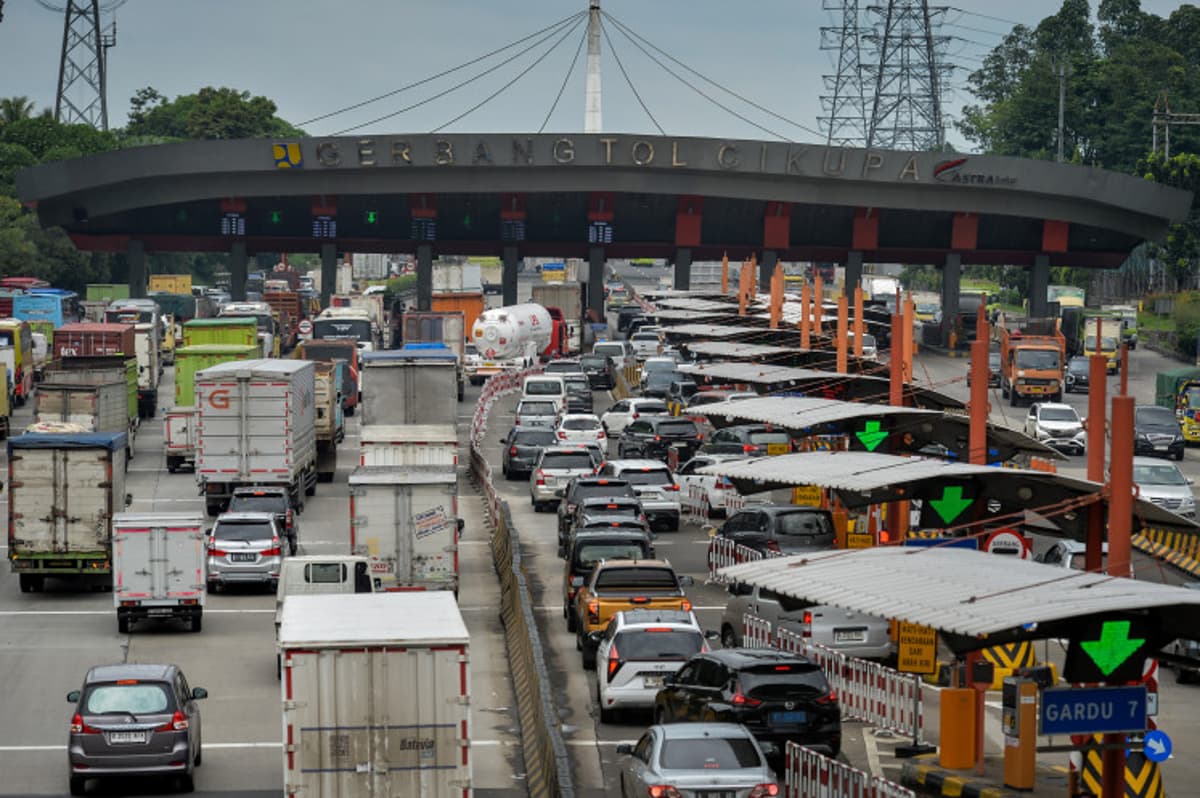
The Toll of Taxation: Why the VAT Plan Is a Risky Gamble
Why It Matters
The tax could erode Indonesia’s cost‑competitiveness by inflating logistics expenses, while delivering only a marginal boost to the state budget. Its passage without broad stakeholder input raises fiscal and political risk for the government.
Key Takeaways
- •VAT on tolls could add ~US$300 million annually
- •Toll‑road revenue is only ~1% of Indonesia’s tax target
- •Higher logistics costs may raise staple prices and inflation
- •Freight routes are inelastic; tax burden passes to consumers
- •Policy lacks political and economic vetting before 2028 rollout
Pulse Analysis
Indonesia’s fiscal outlook is tightening as the government chases a Rp 2.36 quadrillion (≈US$157 billion) tax target by 2029. Adding an 11% value‑added tax to toll‑road revenues—currently around Rp 40‑42 trillion (US$2.3‑2.4 billion) annually—would net roughly Rp 4.5 trillion (US$300 million). While this represents a modest 1% of the broader tax goal, the revenue gain is being touted as a quick fix for budget shortfalls, despite the limited scale relative to Indonesia’s overall fiscal needs.
The logistics sector, however, stands to feel the brunt of the policy. Toll fees are a fixed cost for freight operators, and the demand for toll‑road usage is highly inelastic; trucks cannot easily reroute without sacrificing efficiency and safety. An extra 11% levy would be layered atop biennial toll adjustments, squeezing already thin profit margins. Those higher costs are likely to be passed on to end‑consumers, nudging up prices for essential commodities like rice, cement and industrial raw materials, thereby feeding inflationary pressures and potentially dampening the country’s export competitiveness.
Beyond economics, the proposal exposes a governance gap. Finance Minister Purbaya Yudhi Sadewa admitted limited briefing and called for a revalidation by the Fiscal Policy Agency, underscoring the lack of political consensus. Stakeholder pushback from logistics firms, consumer groups, and regional authorities could stall the rollout or force a redesign. Policymakers may need to explore alternative revenue streams—such as widening the tax base or improving collection efficiency—rather than imposing a narrow, high‑visibility tax that risks both public backlash and economic distortion.
The toll of taxation: Why the VAT plan is a risky gamble
Comments
Want to join the conversation?
Loading comments...