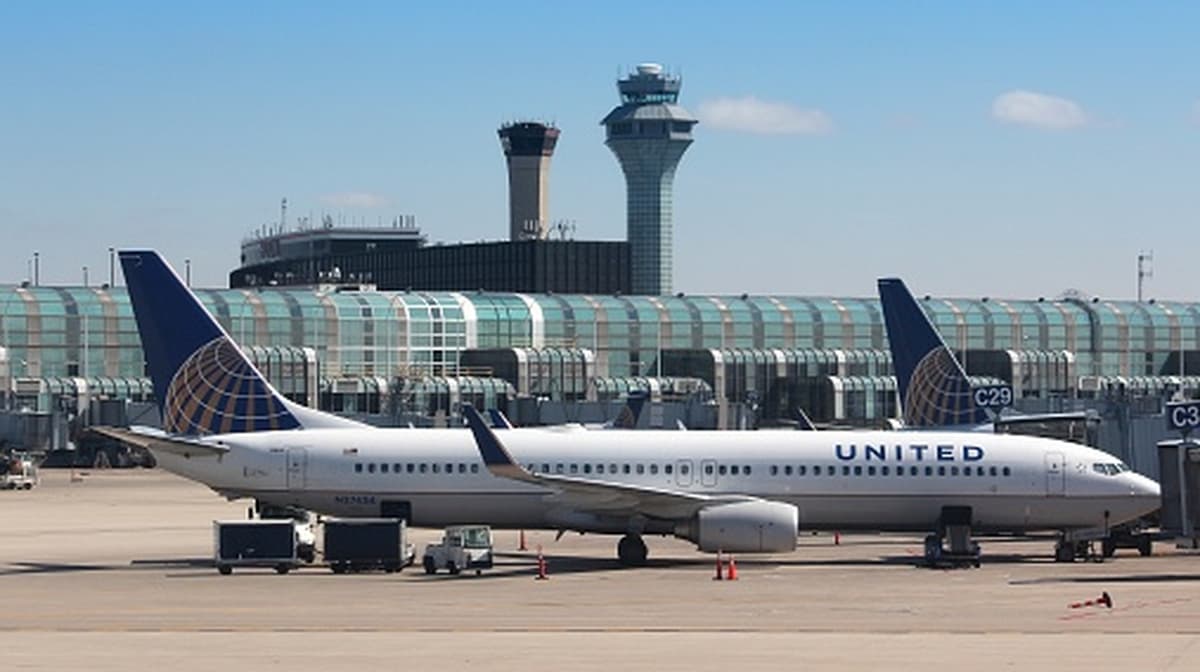
The US Airport With The Most Flights In 2026 So Far
Companies Mentioned
Why It Matters
The shift in flight‑movement leadership underscores O’Hare’s growing role as a national hub, influencing airline route planning and capacity allocation. Capacity constraints and regulatory caps also signal tighter operational margins for carriers and travelers alike.
Key Takeaways
- •O’Hare topped U.S. airports with 860,015 movements in 2025
- •January 2026 operations: O’Hare 64,695 vs. Atlanta 61,776
- •$1.3 billion Concourse D expansion slated for 2028 completion
- •DOT limits daily flights to 2,708 to curb summer delays
Pulse Analysis
Chicago O’Hare’s ascent to the top of U.S. flight‑movement rankings reflects a broader rebalancing of airline hub dynamics. Historically dominated by Atlanta’s Hartsfield‑Jackson, the Midwest gateway posted a 10.8% year‑over‑year rise in takeoffs and landings, driven by strategic infrastructure investments such as the $1.3 billion Concourse D expansion and the 2023 Terminal 5 opening. These upgrades not only increase gate capacity but also enhance O’Hare’s appeal for carriers seeking to diversify their network footprints, potentially reshaping route allocations across the domestic market.
The rapid growth, however, has triggered capacity concerns. The Department of Transportation and the FAA have imposed a ceiling of 2,708 flights per day for 2026, a move aimed at preventing the airport’s already strained runway and terminal systems from spiraling into chronic delays. With summer peak traffic projected to rise 14.9%, airlines are negotiating to trim over 300 routes, a rare instance of regulatory intervention directly influencing airline scheduling. Travelers can expect tighter connection windows, making programs like TSA Pre‑Check and Global Entry more valuable than ever.
Looking ahead, O’Hare’s expansion plans—targeting a 25% gate‑capacity boost and a 3‑million‑square‑foot footprint increase—signal its ambition to not only dominate flight movements but also capture a larger share of passenger traffic. If the airport can successfully manage operational bottlenecks while scaling capacity, it may challenge Atlanta’s passenger‑traffic lead, prompting airlines to recalibrate hub strategies nationwide. Stakeholders should monitor how these infrastructure projects and regulatory actions converge, as they will shape the competitive landscape of U.S. aviation for the coming decade.
The US Airport With The Most Flights In 2026 So Far
Comments
Want to join the conversation?
Loading comments...