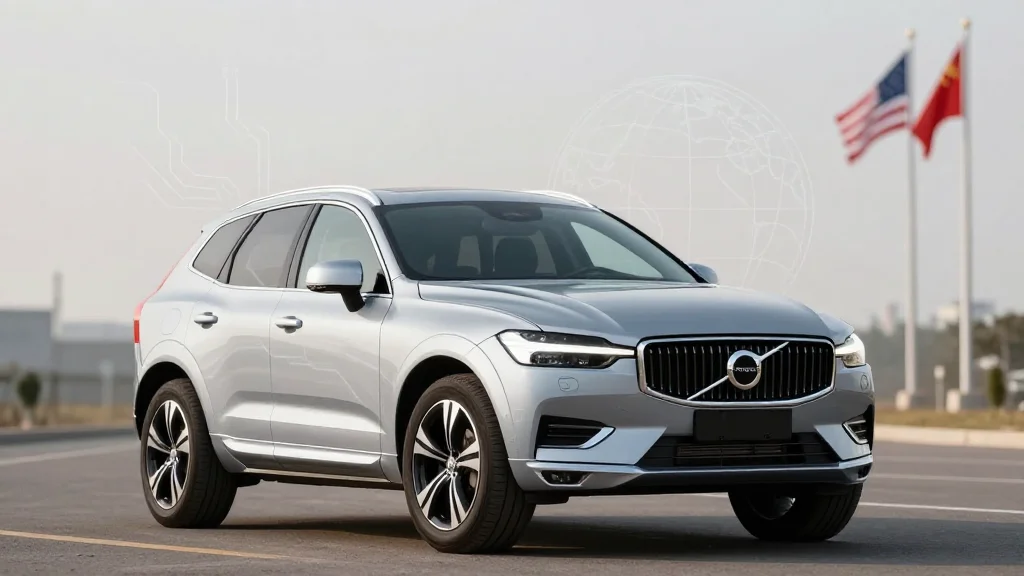
The U.S. Banned Chinese Car Tech—But Volvo Just Got A Special Pass To Keep It
Companies Mentioned
Why It Matters
The exemption lets Volvo maintain its U.S. sales momentum and signals that regulators may grant case‑by‑case waivers, affecting how other Chinese‑linked automakers navigate the emerging technology ban.
Key Takeaways
- •Volvo receives Commerce Dept. authorization to sell Chinese‑made connected cars in U.S.
- •Ban applies to software for automated driving and network connectivity starting 2027.
- •Hardware restrictions begin in 2030, targeting Chinese/Russian components.
- •Volvo’s XC60 and XC40, assembled in China, remain eligible under special pass.
Pulse Analysis
The U.S. Department of Commerce’s new rule, slated to take effect in March 2025, aims to block the import of connected vehicles that rely on Chinese or Russian software and hardware deemed vulnerable to foreign interference. By targeting automated‑driving code and network‑connectivity modules, the policy seeks to safeguard data integrity and prevent remote fleet control, with software restrictions kicking in for 2027 model years and hardware bans arriving in 2030. This sweeping approach reflects heightened geopolitical tension and a broader push to secure the automotive supply chain.
Volvo Cars, a Geely‑owned Swedish brand, secured a rare exemption that permits it to continue selling its China‑assembled XC60 and XC40 models in the United States. The automaker followed a formal request process and received clearance from the Office of Information and Communications Technology and Services. This special pass preserves Volvo’s growth trajectory in a market where it has been expanding its electric‑vehicle lineup, including the upcoming EX60 and EX90. By maintaining access to Chinese‑sourced components, Volvo avoids costly re‑engineering and can keep pricing competitive against rivals.
The broader industry watches closely, as the exemption sets a precedent for case‑by‑case assessments under the new rule. Other manufacturers with Chinese ties may seek similar waivers, prompting a potential patchwork of approvals that could complicate compliance efforts. Investors are likely to scrutinize how quickly automakers can adapt their supply chains, either by localizing critical software or by negotiating regulatory passes. Ultimately, the balance between security mandates and market realities will shape the next wave of EV rollouts in the United States.
The U.S. Banned Chinese Car Tech—But Volvo Just Got A Special Pass To Keep It
Comments
Want to join the conversation?
Loading comments...