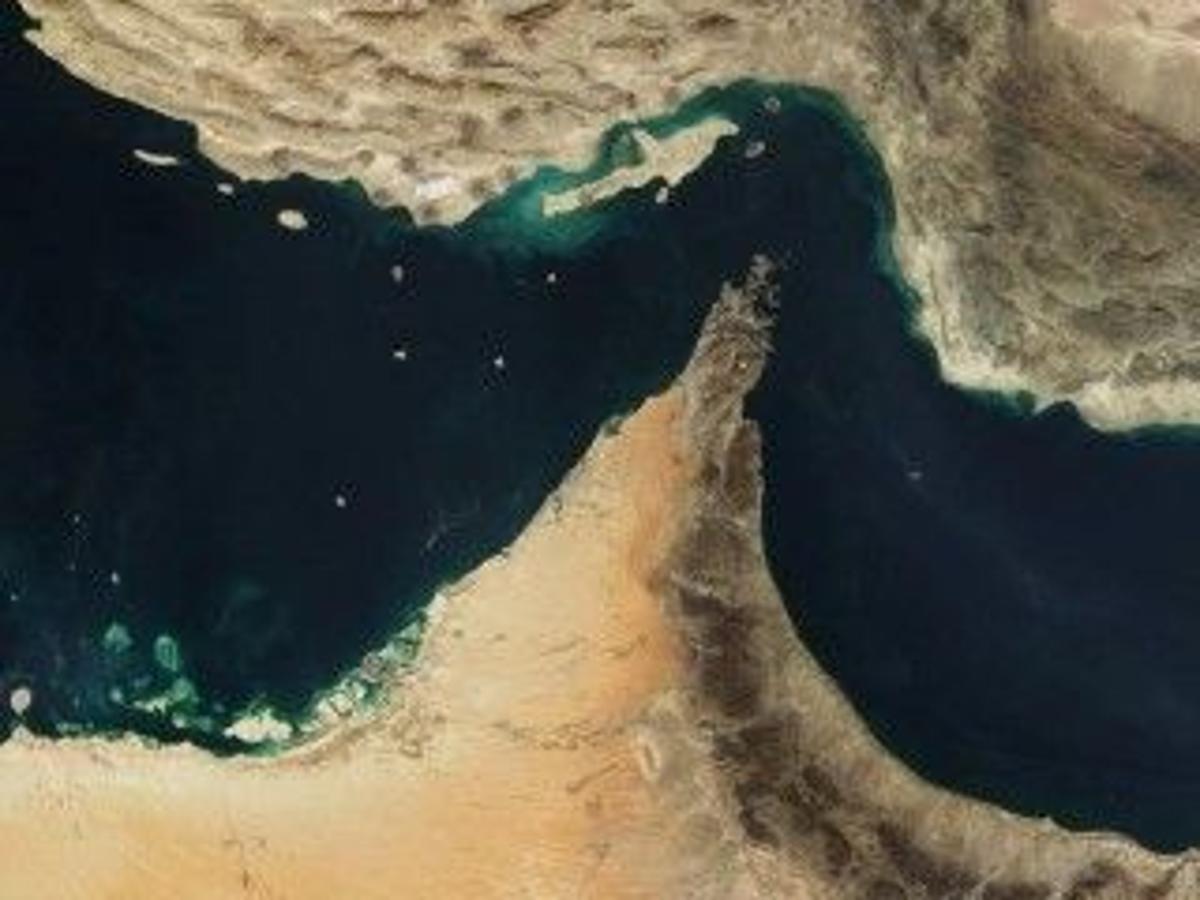
The U.S. Escorted a Ship Through the Strait of Hormuz
Why It Matters
The escort demonstrates a tangible U.S. response to maritime security threats, potentially stabilizing oil flows and reassuring global trade partners. It also signals a shift in how geopolitical risk is managed in one of the world’s most critical shipping lanes.
Key Takeaways
- •Alliance Fairfax escorted out of Hormuz on May 4
- •Project Freedom initiates U.S. naval commercial escorts
- •Oil prices dip on escort news, not lasting stability
- •Iran disputes missile strike, maintains anti‑U.S. warnings
Pulse Analysis
The Strait of Hormuz has long been a flashpoint where regional rivalries intersect with global energy markets. After the February 28 escalation between the United States‑Israel alliance and Iran, commercial vessels faced unprecedented delays, prompting Maersk to report a stranded U.S.-flagged carrier. The bottleneck threatened to tighten oil supplies, as the narrow waterway channels roughly 20% of the world’s petroleum. By deploying naval escorts, Washington aims to restore confidence in the corridor and prevent a supply shock that could reverberate through commodity markets.
Project Freedom, unveiled by former President Donald Trump, formalizes the U.S. Navy’s role in safeguarding merchant traffic. The first escorted transit on May 4 saw the Alliance Fairfax safely exit the Persian Gulf, a move that immediately nudged Brent crude lower. Market analysts, however, caution that price movements reflect speculative optimism rather than a durable de‑escalation. The operation also underscores a broader strategic shift: rather than relying solely on diplomatic pressure, the United States is leveraging hard power to guarantee the free flow of trade through a chokepoint that has historically been vulnerable to state‑sponsored disruptions.
Looking ahead, the escort initiative could set a precedent for future maritime security frameworks in contested waters. While Iran’s denial of missile strikes on U.S. vessels aims to downplay the incident, its continued warnings suggest lingering risk. Persistent naval presence may deter hostile actions, yet it also raises the stakes for inadvertent confrontations. Stakeholders—from oil traders to multinational shippers—must monitor how sustained escort missions influence both regional stability and the cost of shipping, as any escalation could quickly translate into higher freight rates and renewed volatility in global energy prices.
The U.S. escorted a ship through the Strait of Hormuz
Comments
Want to join the conversation?
Loading comments...