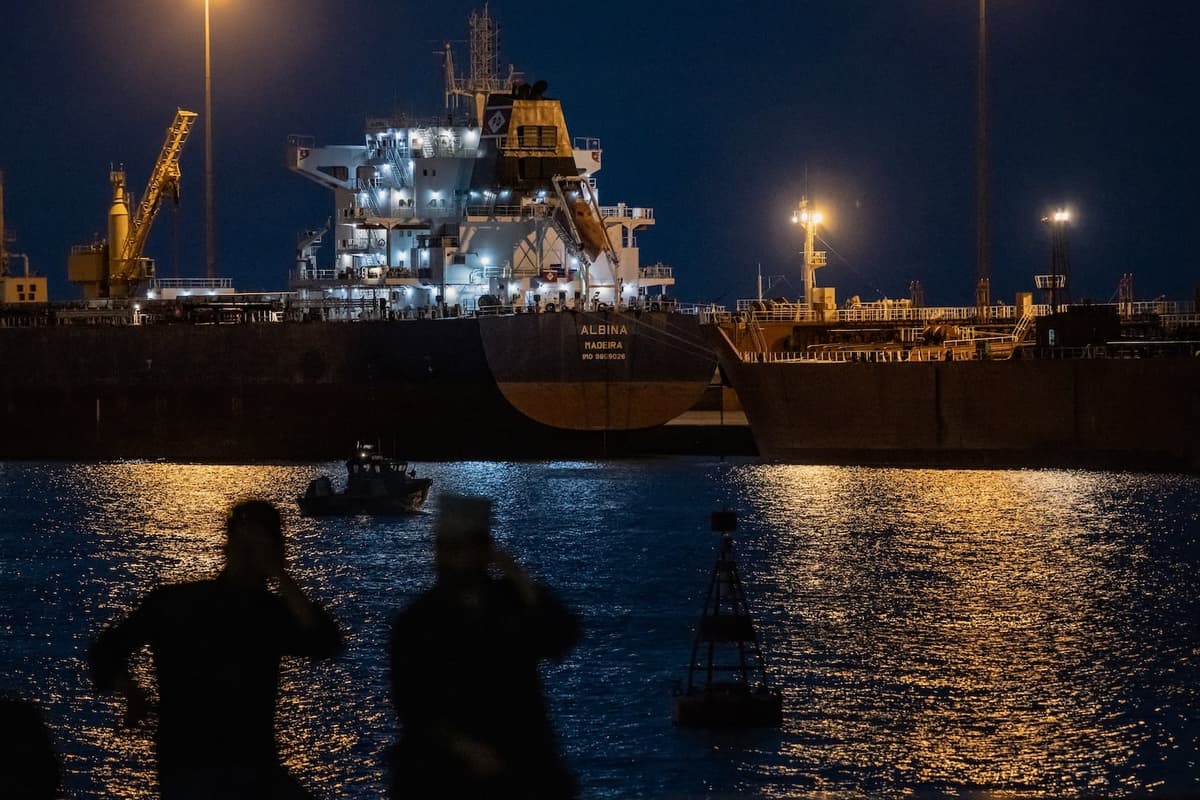
The War Will End With a Hormuz Toll Booth
Why It Matters
The toll authority would give Iran a tangible economic payoff and leverage in any post‑war settlement, while guaranteeing uninterrupted energy flows for the GCC and preserving U.S. strategic interests in the region. It also creates a rare opportunity to institutionalize revenue from the world’s most critical oil chokepoint.
Key Takeaways
- •Iran‑Oman toll authority could formalize Hormuz fees.
- •Potential $18 billion annual revenue from modest vessel fees.
- •Dollar‑denominated tolls align with U.S. petrodollar interests.
- •Legal framework mirrors Suez Canal model, easing navigation.
- •GCC security hinges on U.S. backing of transit arrangement.
Pulse Analysis
The Strait of Hormuz channels roughly 20% of global LNG and a quarter of seaborne oil, making it a linchpin of energy markets. War‑time disruptions have exposed the vulnerability of supply chains and highlighted Iran’s newfound capacity to extract fees from passing ships. By institutionalizing a toll system, Tehran can convert military leverage into a steady fiscal resource, easing the domestic economic fallout of destroyed infrastructure and sanctions. This shift from ad‑hoc extortion to a predictable revenue stream also signals a broader move toward post‑conflict normalization, where control of strategic chokepoints becomes a bargaining chip rather than a battlefield.
International law currently leaves the narrowest point of the strait under overlapping Iranian and Omani territorial seas, creating legal ambiguity for unilateral tolls. A bilateral Iran‑Oman transit authority would resolve this by establishing a joint regulatory framework, similar to Egypt’s Suez Canal authority that collects over $9 billion each year. Crucially, denominating fees in U.S. dollars would dovetail with Washington’s commitment to the petrodollar system, offering the United States a pragmatic concession that maintains freedom of navigation while providing Iran with legitimacy and hard currency. U.S. endorsement, perhaps as a guarantor, would be essential to assuage Gulf Cooperation Council concerns and to prevent the toll from becoming a coercive tool.
The economic and security ramifications extend beyond the immediate parties. A stable, dollar‑based toll regime could lower insurance premiums and shipping costs, benefiting global trade and stabilizing oil prices. For the GCC, guaranteed passage secures export revenues and reduces the incentive for proxy confrontations. Iran, meanwhile, gains a non‑military lever that ties its fortunes to regional stability, potentially curbing future aggression. If successfully negotiated, the Hormuz toll could become a template for managing other contested waterways, reshaping how geopolitical power translates into economic infrastructure.
The War Will End With a Hormuz Toll Booth
Comments
Want to join the conversation?
Loading comments...