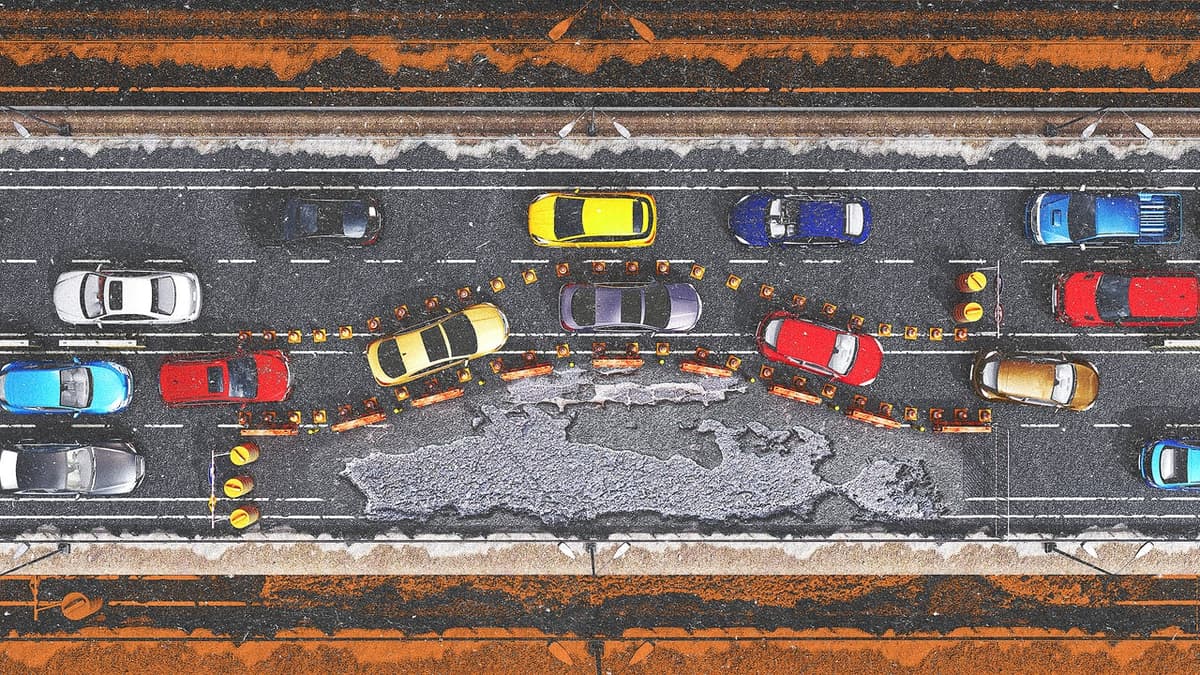
The Way We Finance New Highways and Roads Is No Longer Working
Why It Matters
Without reform, road users—including non‑drivers—will bear rising taxes and fees, while deteriorating infrastructure hampers economic productivity and fuels inefficient travel patterns.
Key Takeaways
- •Federal gas tax unchanged since 1993, now 18.4¢ per gallon
- •Highway Trust Fund deficit reached $30.6 billion in FY2025
- •Congress transferred roughly $275 billion to the fund over 15 years
- •CBO projects fund could run dry by 2028, gaps >$40 billion
- •Suggested fixes: inflation-indexed tax, mileage fees, prioritize maintenance
Pulse Analysis
The current user‑fee model for America’s roads is fundamentally broken. Decades of reliance on a flat gas tax ignored two seismic shifts: dramatic gains in vehicle fuel efficiency and the rapid adoption of electric vehicles that bypass gasoline altogether. As a result, the Highway Trust Fund—a cornerstone of federal infrastructure financing—has recorded a deficit every year for over 25 years, culminating in a $30.6 billion shortfall in FY2025. This fiscal erosion forces Congress to divert general‑revenue dollars, effectively taxing all taxpayers, including the one‑third of Americans who rarely drive.
Beyond the budgetary hole, the misaligned pricing structure distorts travel behavior. When drivers pay less than the true cost of road usage, they are incentivized to drive more, spurring suburban sprawl and increasing demand for new highways—an unsustainable feedback loop. The CBO’s projection that the fund could be exhausted by 2028, with annual gaps surpassing $40 billion, underscores the urgency for a pricing overhaul that reflects modern mobility patterns.
Policy options are clear and politically feasible. Indexing the gas tax to inflation would preserve its purchasing power, while mileage‑based fees could capture revenue from hybrids and EVs, ensuring all road users contribute proportionally. Prioritizing maintenance over costly new construction would extend the lifespan of existing assets and reduce the overall funding burden. Implementing these reforms now would prevent a painful, abrupt correction later, safeguarding both the nation’s infrastructure and its broader economic health.
The way we finance new highways and roads is no longer working
Comments
Want to join the conversation?
Loading comments...