Key Takeaways
- •Giugiaro designed Porsche Tapiro using 914/6 chassis
- •Wedge design produced 220 hp, 152 mph performance
- •Concept showcased at 1970 Turin Auto Show, US shows
- •Car burned; remains displayed at Giugiaro Museum
- •Tapiro highlights Porsche’s willingness to experiment beyond tradition
Pulse Analysis
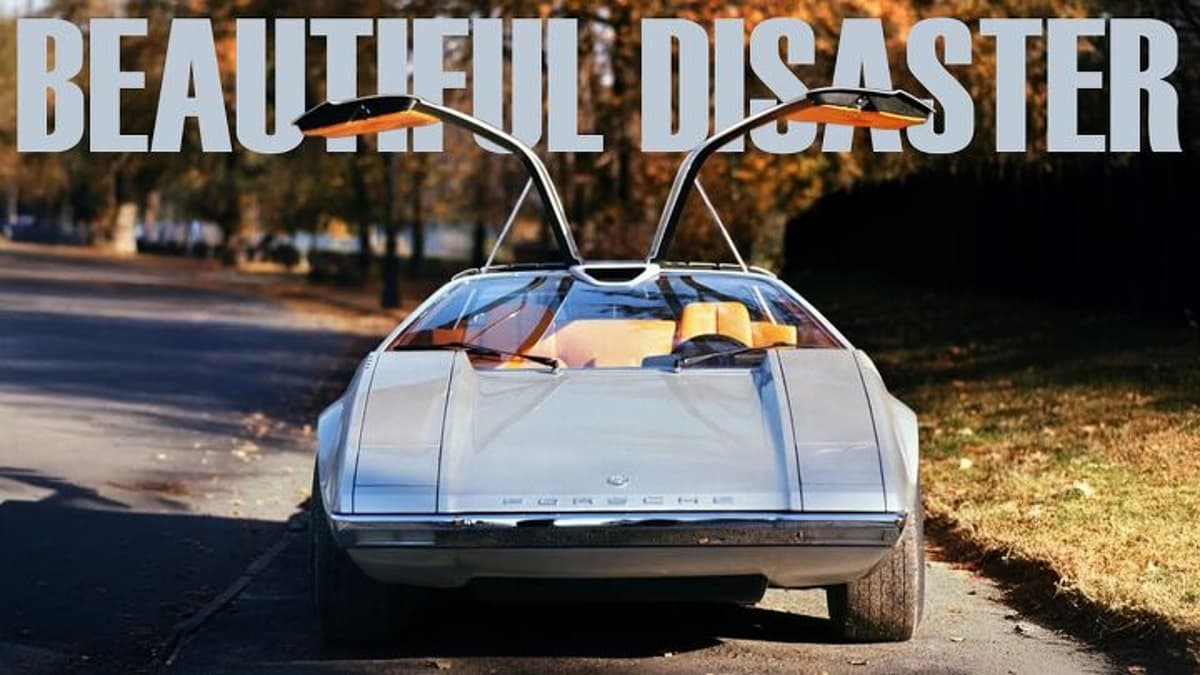
In the early 1970s, automotive design pivoted toward sharp, angular aesthetics, and Giugiaro was at the forefront. Porsche, eager to test the limits of its engineering, partnered with Italdesign to mount a 914/6 chassis beneath a futuristic wedge body. This collaboration yielded the Tapiro, a striking roadster that combined a 2.4‑liter air‑cooled flat‑six delivering roughly 220 horsepower with pop‑up headlights, gull‑wing doors, and a glass‑house cabin—features that set it apart from Porsche’s conventional lineup.
The Tapiro’s performance credentials matched its daring looks. With a claimed top speed of 152 mph, it sat shoulder‑to‑shoulder with contemporary Ferraris and Lamborghinis, while its mid‑engine layout and independent suspension offered balanced handling uncommon for Porsche at the time. The concept debuted at the 1970 Turin Auto Show, drawing both admiration and skepticism, and later impressed American audiences at the 1971 Los Angeles import show. Despite its limited production—only a single unit—the car’s engineering demonstrated that Porsche’s chassis could adapt to radical styling without sacrificing driving dynamics.
Although the original was destroyed by fire, the surviving shell in the Giugiaro Museum serves as a reminder of Porsche’s experimental spirit. The Tapiro foreshadowed later bold projects such as the 959, Carrera GT, and Mission X, illustrating how brief departures from tradition can inform long‑term innovation. For industry observers, the story underscores the value of concept vehicles as testbeds for technology and design language, influencing brand evolution and market expectations decades later.
The Wedge Shaped Porsche That Never Was
Comments
Want to join the conversation?