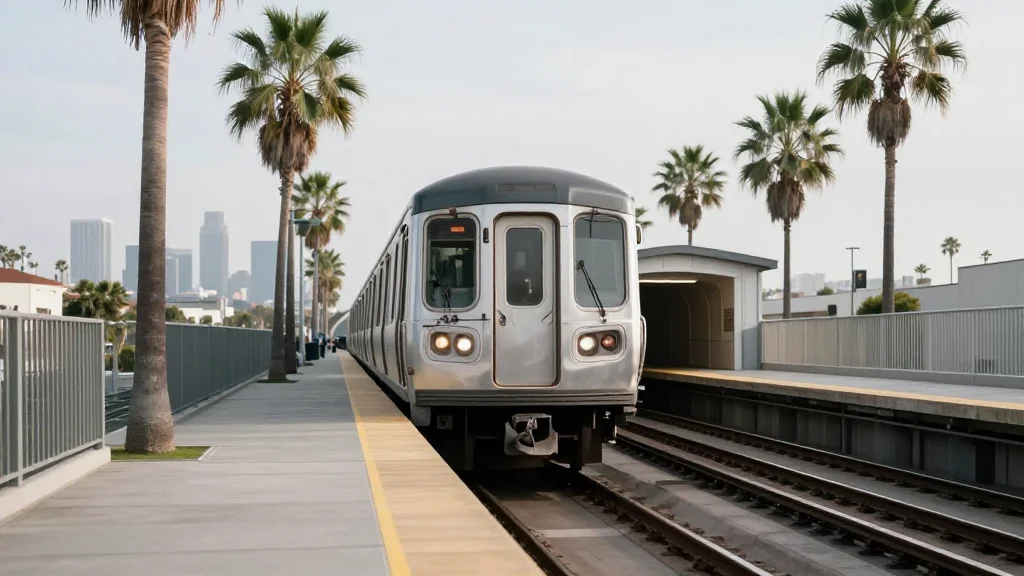
The Wilshire Subway Should Be a Slam Dunk for L.A. But Luring Riders May Be a Challenge
Companies Mentioned
Why It Matters
The D Line tests whether high‑density, well‑served corridors can shift car‑dependent Angelenos onto rail, a key factor for easing traffic and meeting climate goals. Its performance will influence future transit investments across the U.S. metropolitan landscape.
Key Takeaways
- •D Line adds three Wilshire stations, extending to Beverly Hills
- •Trains run every 10 minutes, 20 minutes late night
- •Estimated 21‑minute ride beats 45‑minute drive on congested I‑10
- •Off‑peak wait times may push riders to rideshare
- •Experts suggest congestion pricing to boost subway adoption
Pulse Analysis
The D Line extension marks a pivotal moment for Los Angeles’ transit strategy, inserting rapid‑rail service into the city’s most densely populated west‑side corridor. By linking cultural hubs such as LACMA and the Academy Museum with upscale retail districts, the line offers a compelling alternative to the notoriously clogged Wilshire and I‑10 arteries. Planners highlight that proximity alone isn’t enough; the line’s success will depend on delivering a consistently fast, reliable experience that outweighs the perceived convenience of personal vehicles.
Ridership projections confront a classic urban dilemma: frequency versus cost. Metro’s schedule—trains every ten minutes during peak periods and every twenty minutes after 9 p.m.—aligns with industry standards, yet research from UCLA suggests that even a 15‑minute wait can push commuters toward Uber or Lyft, especially when late‑night options are limited. Moreover, the price differential between driving and transit remains skewed; parking and fuel costs are effectively subsidized, dampening the incentive to switch. Policymakers are therefore eyeing congestion pricing and dynamic parking fees as levers to make the D Line more competitive, echoing strategies that have succeeded in cities like London and Singapore.
Beyond immediate usage, the D Line serves as a litmus test for broader transit ambitions across car‑centric metros. If the line can capture a sizable share of commuters, it will validate the case for further rail investments, including the planned Westwood extension slated for 2027. Conversely, persistent low patronage could stall future projects and reinforce skepticism about rail’s viability in sprawling American cities. The outcome will shape not only Los Angeles’ mobility landscape but also national discourse on sustainable urban transportation.
The Wilshire subway should be a slam dunk for L.A. But luring riders may be a challenge
Comments
Want to join the conversation?
Loading comments...