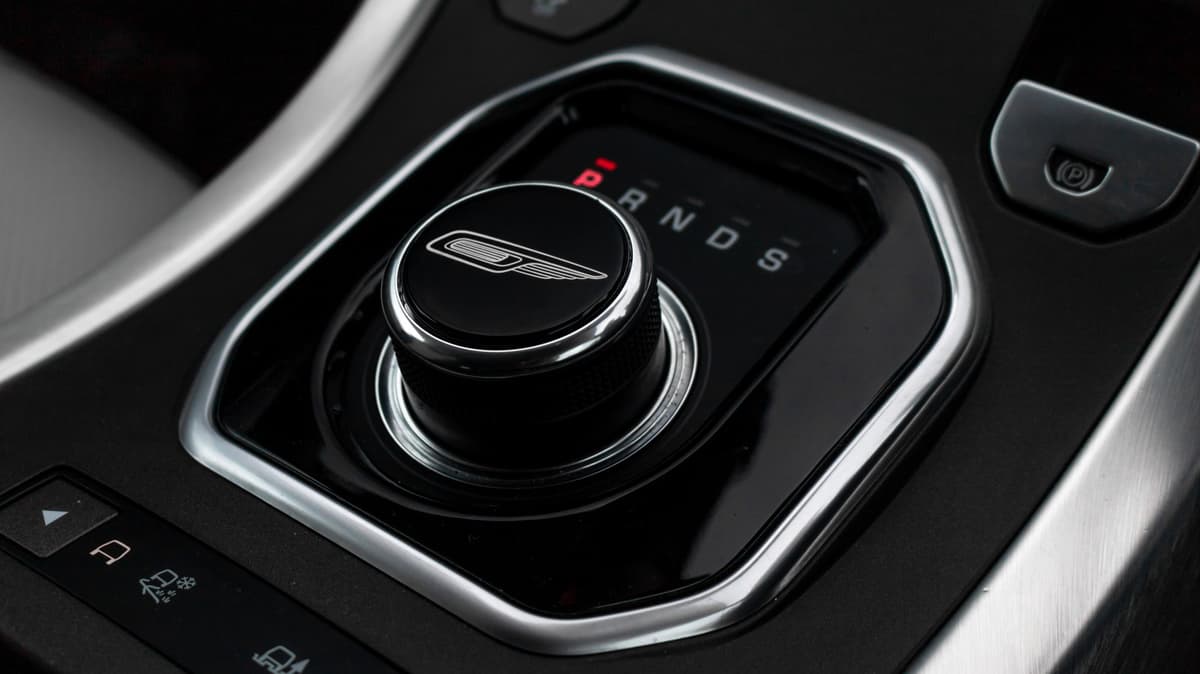
The World's First 9-Speed Automatic Transmission Was Plagued With Problems
•March 5, 2026
0
Companies Mentioned
Why It Matters
The 9HP’s failures highlighted the risks of over‑engineering complex drivetrains, costing manufacturers billions and eroding brand trust. Its fallout reshaped transmission development, prompting a faster adoption of simpler, more dependable multi‑speed gearboxes.
Key Takeaways
- •ZF 9HP introduced 2013, nine gears in compact housing.
- •Software glitches caused harsh shifts, delayed changes.
- •Mechanical faults: wiring harness, parking pawl failures.
- •Recalls exceeded 500,000 units, costing automakers heavily.
- •Issues spurred shift to alternative transmissions, reshaping industry.
Pulse Analysis
When ZF unveiled the 9HP in 2013, the automotive world saw a potential paradigm shift. By cramming nine forward ratios into a package smaller than traditional six‑speed units, the transmission promised measurable fuel‑economy gains for SUVs and crossovers. Early adopters—including Land Rover, Fiat, Acura, and Honda—touted the technology as a competitive differentiator, and industry analysts predicted a rapid cascade of nine‑speed designs across the market.
Reality, however, quickly diverged from the hype. Software calibration errors produced harsh, delayed shifts, while a poorly crimped wiring harness could randomly disengage drive, and contaminated parking pawls risked unintended vehicle movement. The National Highway Traffic Safety Administration recorded more than 500,000 recall units, and owners faced repair bills ranging from a few hundred dollars for fluid changes to four‑figure costs for solenoid or full‑transmission replacements. These reliability gaps not only strained dealer networks but also tarnished the reputations of brands that had bet on the 9HP.
The broader impact reverberated through the power‑train sector. Automakers accelerated development of alternative multi‑speed solutions—Honda’s proprietary eight‑ and ten‑speed units and Fiat’s new eight‑speed gearbox—while some, like Range Rover, persisted with the 9HP in niche models. The episode underscored a key lesson: incremental innovation must be balanced with proven durability, especially in cost‑sensitive mass markets. As manufacturers now routinely offer eight‑plus speeds, the 9HP serves as a cautionary benchmark that helped shape today’s more reliable transmission landscape.
The World's First 9-Speed Automatic Transmission Was Plagued With Problems
0
Comments
Want to join the conversation?
Loading comments...