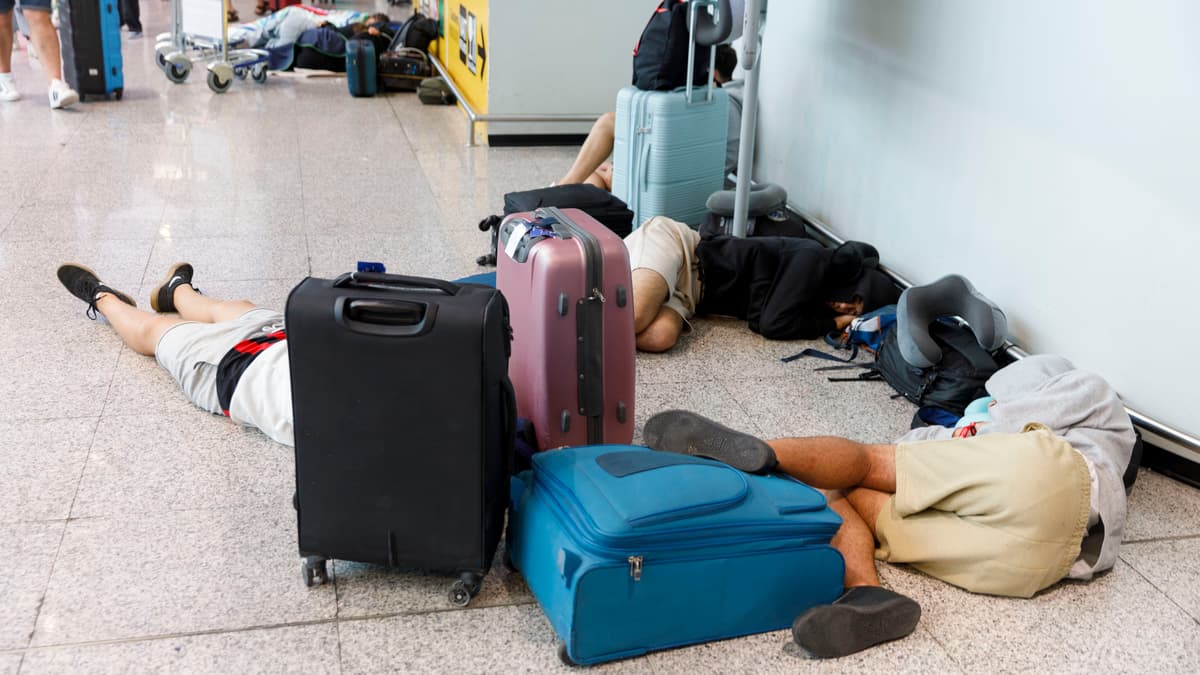
Why It Matters
Chronic inefficiencies at major hubs erode passenger confidence and increase airline costs, prompting urgent calls for infrastructure upgrades and policy reform.
Key Takeaways
- •Newark leads delays, second only to Reagan Airport
- •Security lines exceed two hours during peak disruptions
- •Passenger satisfaction plummets; JD Power ranks Newark worst
- •Food options scarce; only limited eateries available
- •Infrastructure neglect fuels chronic operational chaos nationwide
Pulse Analysis
U.S. airport infrastructure, largely built in the mid‑20th century, is straining under today’s passenger volumes. Federal funding gaps and delayed modernization projects have left terminals with aging baggage systems, insufficient security lanes, and spotty Wi‑Fi. As airlines push for higher aircraft utilization, bottlenecks at congested hubs translate into cascading delays that ripple across the national network, inflating operational costs and prompting airlines to re‑evaluate hub strategies.
Newark Liberty International exemplifies these systemic failures. According to the Bureau of Transportation Statistics, the airport logged second‑worst on‑time performance among major U.S. facilities in 2025, while JD Power’s 2025 survey placed it at the bottom of passenger satisfaction rankings. Travelers report security wait times surpassing two hours, limited dining choices, and frequent flight cancellations that force costly alternatives—often a 500‑mile drive or overnight hotel stays. The cumulative economic impact runs into millions of dollars annually, affecting not only airlines but also regional businesses that rely on reliable air connectivity.
The broader implication for the aviation sector is clear: without decisive investment and regulatory reforms, airports like Newark will continue to undermine the travel experience and erode airline profitability. Emerging technologies—such as biometric screening, AI‑driven scheduling, and modular terminal expansions—offer pathways to alleviate congestion. Policymakers and airport authorities must prioritize funding mechanisms that accelerate these upgrades, ensuring that the U.S. retains its competitive edge in global air travel while restoring passenger trust.
The Worst Airport in America
Comments
Want to join the conversation?
Loading comments...