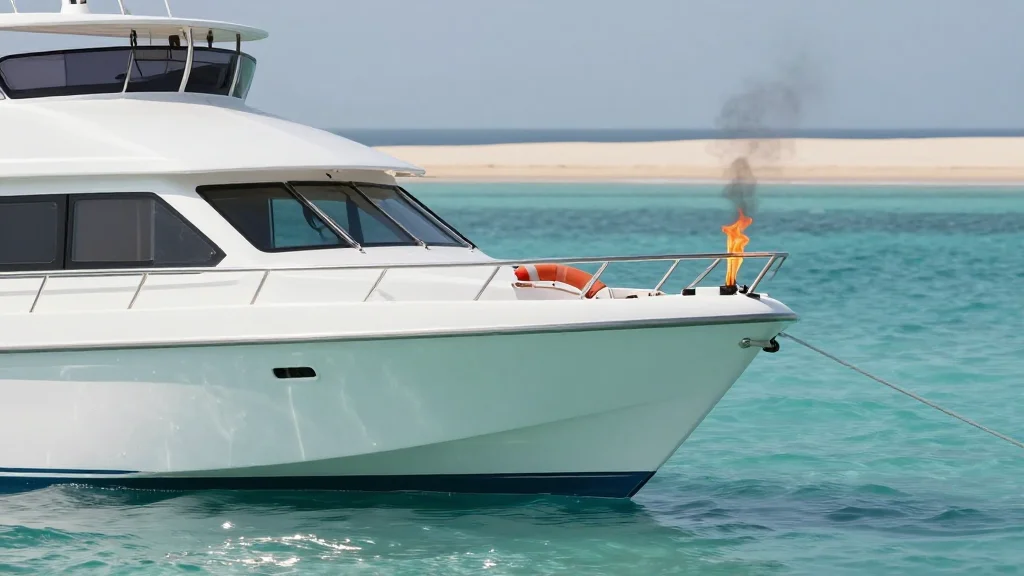
‘The Worst Experience of My Life': 11 Injured, Burned in Fla. Boat Explosion, MCI
Why It Matters
The incident highlights critical gaps in marine safety practices and stresses the need for stricter enforcement of vessel inspection protocols, directly affecting emergency response resources and public confidence in recreational boating safety.
Key Takeaways
- •11 injured, including child with 18% burns, after suspected boat explosion
- •Over 25 fire crews responded, classifying event as mass‑casualty incident
- •Captain blames gas leak and inactive exhaust fans for ignition
- •Fire rescue urges mandatory fire extinguishers and pre‑departure safety checks
Pulse Analysis
Boat explosions are rare but devastating, and the Haulover Sandbar incident underscores how a single safety lapse can cascade into a mass‑casualty event. While recreational vessels like the 40‑foot Press Cruiser 400 Express are certified for leisure use, they often lack the rigorous safety audits applied to commercial craft. The suspected fuel‑tank ignition—potentially triggered by trapped gasoline fumes and an unvented engine start—reveals a critical blind spot: many boat owners neglect basic ventilation and fire‑extinguisher requirements, leaving passengers vulnerable to rapid fire spread and severe burns.
The emergency response to the Miami blast illustrates the strain such incidents place on local resources. More than 25 Miami‑Dade fire crews, alongside the U.S. Coast Guard and the Florida Fish and Wildlife Conservation Commission, converged within an hour, treating the scene as a mass‑casualty incident (MCI). Hospitals, including Jackson Memorial’s Ryder Trauma Center, saw multiple burn victims, one adult with over 30% body surface area affected. This coordinated effort highlights the importance of inter‑agency communication and rapid mobilization, but also raises questions about preparedness for similar maritime emergencies in densely populated coastal regions.
In the wake of the explosion, policymakers and industry groups are likely to revisit boating regulations. Recommendations include mandatory pre‑departure safety checklists, enforced carriage of marine‑rated fire extinguishers, and periodic training on gas‑leak detection for captains and crew. Public education campaigns can further reduce preventable tragedies by emphasizing proper exhaust fan operation and ventilation. As recreational boating rebounds post‑pandemic, integrating these safeguards will be essential to protect lives and mitigate the costly impact on emergency services.
‘The worst experience of my life': 11 injured, burned in Fla. boat explosion, MCI
Comments
Want to join the conversation?
Loading comments...