These Are The Worst-Selling Cars In America In 2026 (So Far)
Companies Mentioned
Why It Matters
These weak sales signal that premium and electric models are vulnerable to price sensitivity, tariff impacts, and limited infrastructure, forcing automakers to rethink product strategies in a price‑conscious market.
Key Takeaways
- •Lexus LC sold 324 units Q1 2026, slated for discontinuation.
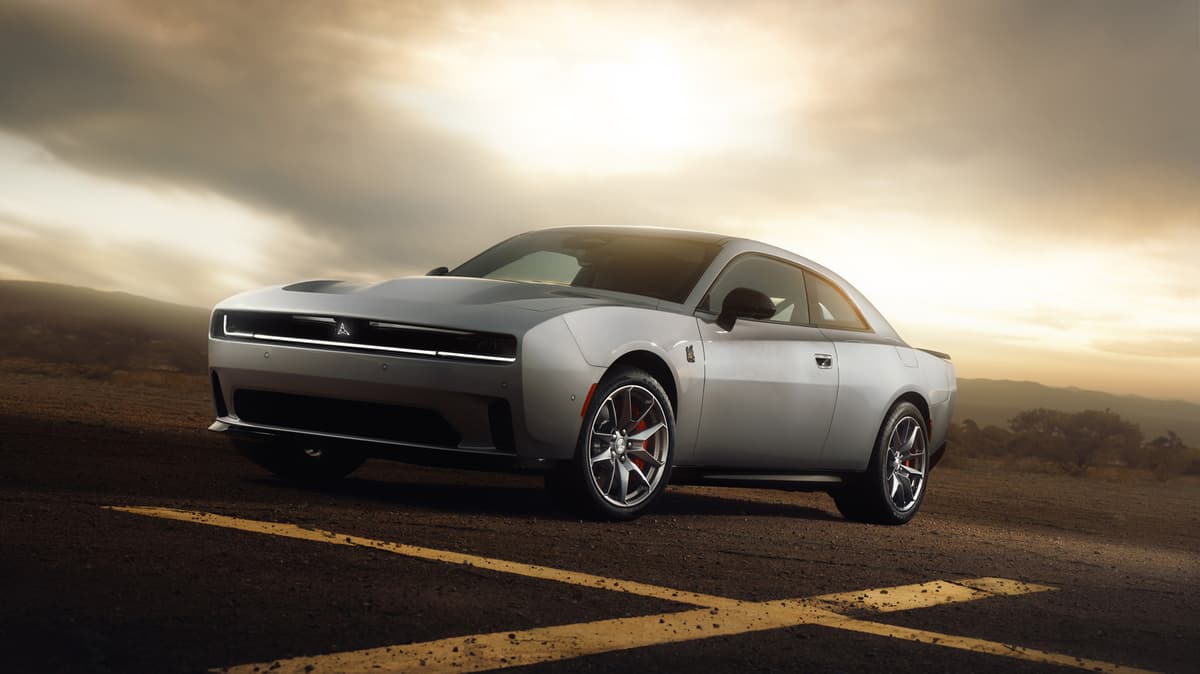
- •Dodge Charger Daytona EV sold 240 units; price > $60k, adding gas.
- •Jeep Wagoneer S EV sold 175 units, $65,200 price, recall for tailgate.
- •Lexus ES Hybrid down 95.8% YoY, only 149 units sold Q1.
- •Toyota Mirai hydrogen sedan sold 63 units, limited <100 refueling stations.
Pulse Analysis
The 2026 U.S. automotive landscape is being reshaped by a confluence of high vehicle prices, lingering tariff effects, and a cooling appetite for electric models. Kelley Blue Book reports an average new‑car price of roughly $49,353, a level that discourages many buyers from upgrading to premium or niche offerings. Meanwhile, the 25% tariff on European imports continues to erode margins for brands like Lexus, Alfa Romeo, and Maserati, making their already expensive models even less competitive against domestic alternatives.
Luxury and specialty vehicles are feeling the pinch most acutely. The Lexus LC, a high‑priced sports coupe, managed only 324 units before being retired, while the all‑electric Dodge Charger Daytona, priced above $60,000, sold just 240 units and prompted Dodge to re‑introduce a gasoline‑powered variant. Similarly, the Jeep Wagoneer S EV, despite its $65,200 sticker, struggled with only 175 sales and faced a recall that further dampened consumer confidence. Hybrid and alternative‑fuel models such as the Lexus ES Hybrid and Toyota Mirai have seen sales plunge by nearly 96% and 80% respectively, underscoring the challenges of convincing buyers to pay a premium for emerging technologies without robust supporting infrastructure.
For manufacturers, these trends demand a strategic pivot. Companies may need to balance electrification goals with more affordable, mass‑market models, or enhance value propositions through improved reliability and after‑sales support. Tariff mitigation, pricing adjustments, and targeted incentives could help revive demand for premium segments, but the broader market is likely to favor cost‑effective, proven platforms until consumer confidence in EVs and hydrogen vehicles solidifies. Automakers that adapt quickly will be better positioned to navigate the lingering headwinds of 2026 and beyond.
These Are The Worst-Selling Cars In America In 2026 (So Far)
Comments
Want to join the conversation?
Loading comments...