These Companies Could And Should Build A Miata Competitor

Companies Mentioned
Why It Matters
An affordable, lightweight roadster would re‑energize the enthusiast market and provide manufacturers with a halo product that enhances brand perception without requiring massive volume. Success could also accelerate the shift toward low‑cost electric sports cars, aligning with broader industry sustainability goals.
Key Takeaways
- •Nissan could revive the Silvia as a modern roadster
- •Toyota may turn the GR86 into a convertible two‑seater
- •Lotus is uniquely positioned to out‑Miata with an Elan revival
- •Genesis could boost brand perception with an affordable sports car
- •Chinese MG may deliver cheap electric roadsters for global markets
Pulse Analysis
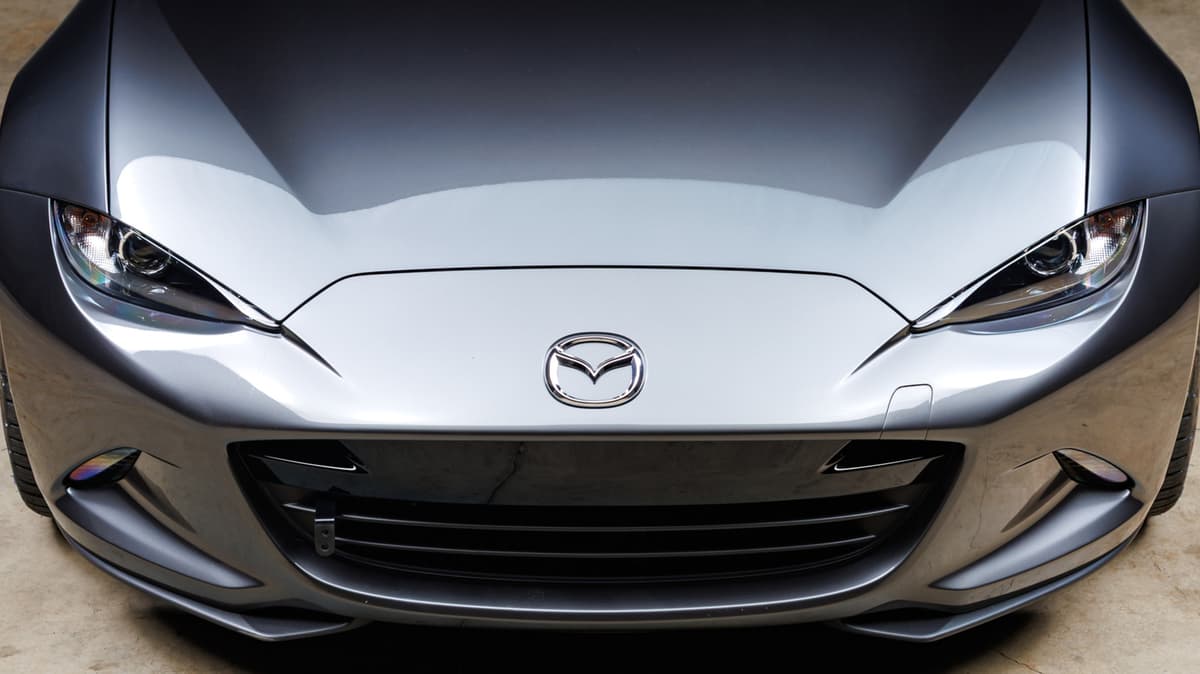
The Mazda Miata has long been the benchmark for inexpensive, driver‑focused roadsters, yet its market share has eroded as consumers gravitate toward SUVs and crossovers. This leaves a clear gap for a lightweight, rear‑wheel‑drive two‑seater that delivers pure engagement at a sub‑$25,000 price point. Enthusiasts still crave the visceral experience of a manual gearbox, balanced chassis, and open‑air freedom, making the segment ripe for a revival that could attract both legacy fans and younger buyers seeking affordable thrills.
Japanese manufacturers possess the heritage and engineering know‑how to resurrect classic platforms like the Nissan Silvia or transform the Toyota GR86 into a convertible, leveraging existing RWD architectures to keep development costs low. European brands such as Alfa Romeo, Lotus, and BMW could capitalize on their premium image by offering a stripped‑down, performance‑oriented model that reinforces their sporting DNA. Meanwhile, Korean players—Genesis and Hyundai—have demonstrated agility in launching niche products and could use a Miata‑style car to elevate brand perception, especially if they integrate hybrid or fully electric powertrains.
For Chinese automakers, the opportunity lies in marrying affordability with electrification. An MG‑branded electric roadster could be produced at scale in China, then exported under various global marques, delivering a sub‑$30,000 EV that satisfies both regulatory pressures and enthusiast desires. A successful entry would not only diversify the market but also provide a halo vehicle that showcases a manufacturer’s technological prowess, potentially driving higher‑margin sales across their broader lineups. As the industry pivots toward sustainability, a modern Miata competitor could become the emblem of fun, efficient motoring for the next decade.
These Companies Could And Should Build A Miata Competitor
Comments
Want to join the conversation?
Loading comments...