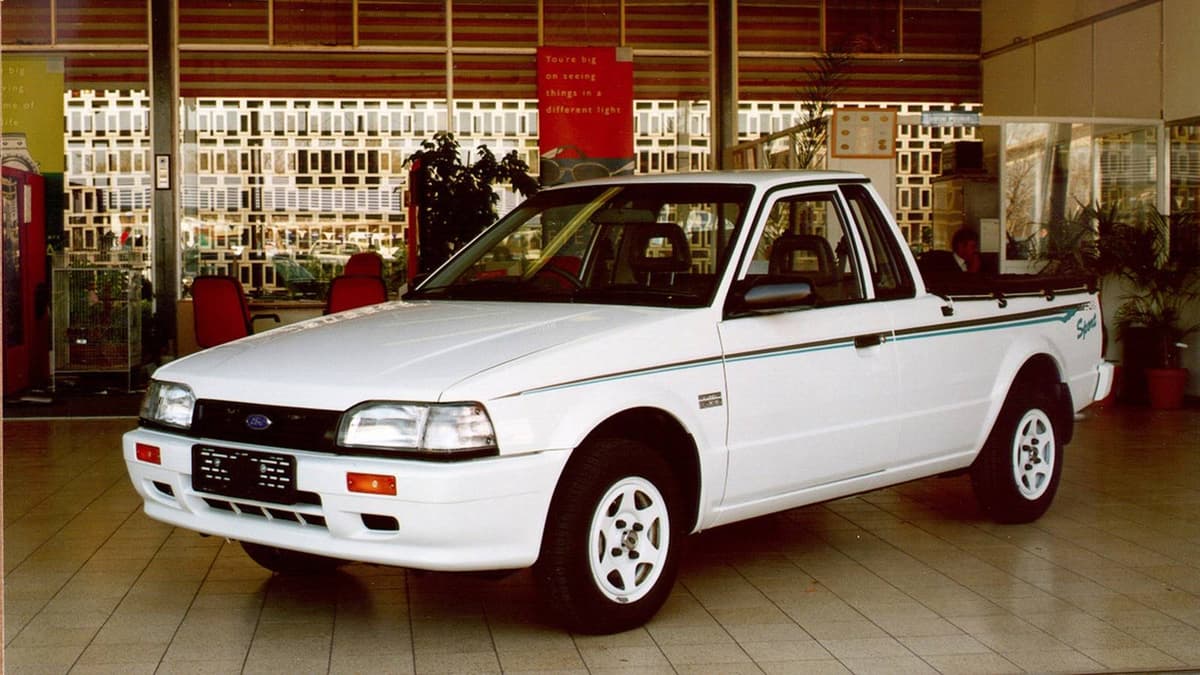
These Ford Trucks Were Too Good for America—Here's Why We Never Got Them
Why It Matters
These omitted models illustrate missed opportunities for Ford to diversify its U.S. portfolio and capture niche segments, while underscoring the strategic value of market‑specific engineering. Understanding these gaps can inform future product planning and global platform sharing.
Key Takeaways
- •Falcon Ute produced 55 years, half‑million units sold
- •Bantam transformed Escort into South African workhorse
- •Pampa topped Brazil’s car‑based pickup sales
- •F‑1000 offered V8, diesel, and aftermarket variants
- •First‑gen Ranger Raptor featured bi‑turbo diesel, Fox suspension
Pulse Analysis
Ford’s global truck strategy reveals a pattern of tailoring vehicles to distinct regional needs. In Australia, the Falcon Ute’s shortened rear overhang and V8 power catered to rugged outback terrain, while in South Africa the Bantam’s car‑derived chassis offered a nimble, affordable solution for small‑scale hauling. Brazil’s market demanded compact efficiency, prompting the Corcel‑based Pampa and the versatile F‑1000, which combined a range of gasoline and diesel engines to serve both urban deliveries and heavy‑duty tasks. These models demonstrate how Ford leverages local engineering talent to create trucks that resonate with specific consumer lifestyles.
The first‑generation Ranger Raptor exemplifies the brand’s ambition to export performance beyond the U.S. market. Built on a reinforced chassis with Fox suspension and a 2.0‑liter bi‑turbo diesel, it delivered high‑speed off‑road capability that rivaled full‑size American pickups. Its success in Europe and Asia highlighted a demand for midsize, high‑performance pickups—a segment that remains under‑served in the United States. As U.S. buyers increasingly seek fuel‑efficient yet capable trucks, the Ranger Raptor’s formula could inspire a domestic counterpart, expanding Ford’s portfolio beyond the traditional F‑Series dominance.
For American manufacturers, the lesson is clear: global diversification can unlock new revenue streams and strengthen brand equity. By studying the engineering choices and market reception of the Falcon Ute, Bantam, Pampa, F‑1000, and Ranger Raptor, Ford can identify gaps in its current lineup—such as compact utility trucks for urban logistics or performance‑focused midsize pickups. Incorporating these insights into future U.S. offerings could attract younger, environmentally conscious consumers while preserving the rugged image that defines Ford trucks. The convergence of global innovation and domestic demand promises a more versatile and resilient truck segment for the years ahead.
These Ford trucks were too good for America—here's why we never got them
Comments
Want to join the conversation?
Loading comments...