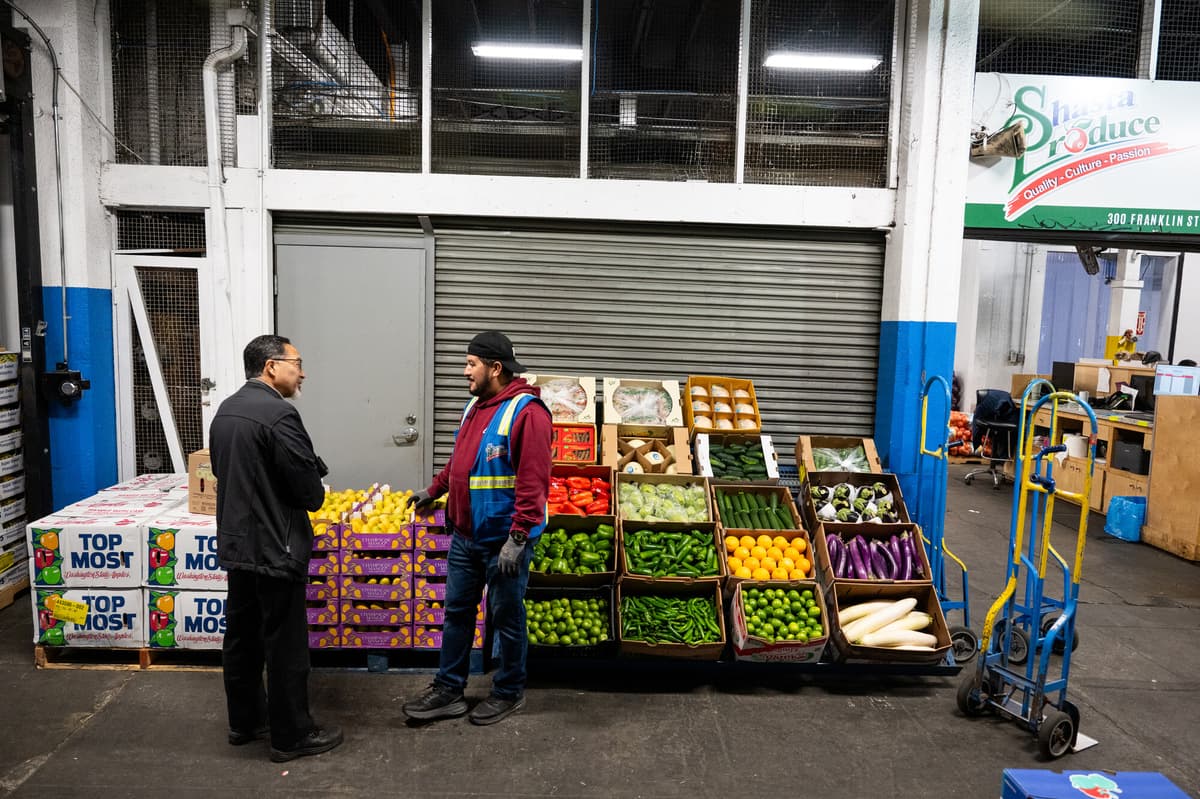
These Workers Keep Produce Moving In the Golden State
Why It Matters
These workers are critical to food security and agricultural productivity; disruptions to their labor directly affect fresh‑food availability and farm yields across the nation.
Key Takeaways
- •Night‑shift workers load trucks at Oakland Produce Market
- •Workers handle bulk produce for small retailers and restaurants
- •Canal cleaners remove debris to maintain Central Valley irrigation
- •Clean water flow prevents crop losses in California’s biggest farming region
- •Labor shortages could disrupt California’s fresh‑food supply chain
Pulse Analysis
California’s reputation as the nation’s produce powerhouse rests on a complex logistics network that begins at facilities like the Oakland Produce Market. Nestled in Jack London Square, the market’s 24‑hour operations enable small grocers and chefs to receive a steady stream of fruits and vegetables harvested from farms across the state. Night crews coordinate palletized shipments, manage temperature‑controlled storage, and ensure that perishable items reach buyers before spoilage. Their efficiency reduces waste, supports local economies, and keeps California’s farm‑to‑table promise alive for consumers nationwide.
Equally vital is the water that fuels the Central Valley’s fields. The region’s extensive canal and reservoir system, one of the world’s largest, delivers irrigation to billions of dollars of crops each year. Big Valley Divers’ crews patrol these waterways, extracting everything from discarded furniture to illegal dumping that can clog gates and reduce flow. By maintaining clear channels and repairing minor damages, they safeguard a reliable water supply that underpins the state’s $50 billion agricultural output. Their work mitigates the risk of drought‑related crop failures and helps meet the growing demand for fresh produce.
Both stories underscore a broader labor challenge: the reliance on physically demanding, low‑visibility jobs that are increasingly hard to fill. As the industry faces a tightening labor market, shortages could ripple through supply chains, inflating prices and limiting access to fresh foods. Investing in workforce development, automation where feasible, and better working conditions will be essential to preserve California’s food and water infrastructure. Stakeholders—from policymakers to retailers—must recognize and support these essential workers to sustain the state’s agricultural dominance and national food security.
These Workers Keep Produce Moving In the Golden State
Comments
Want to join the conversation?
Loading comments...