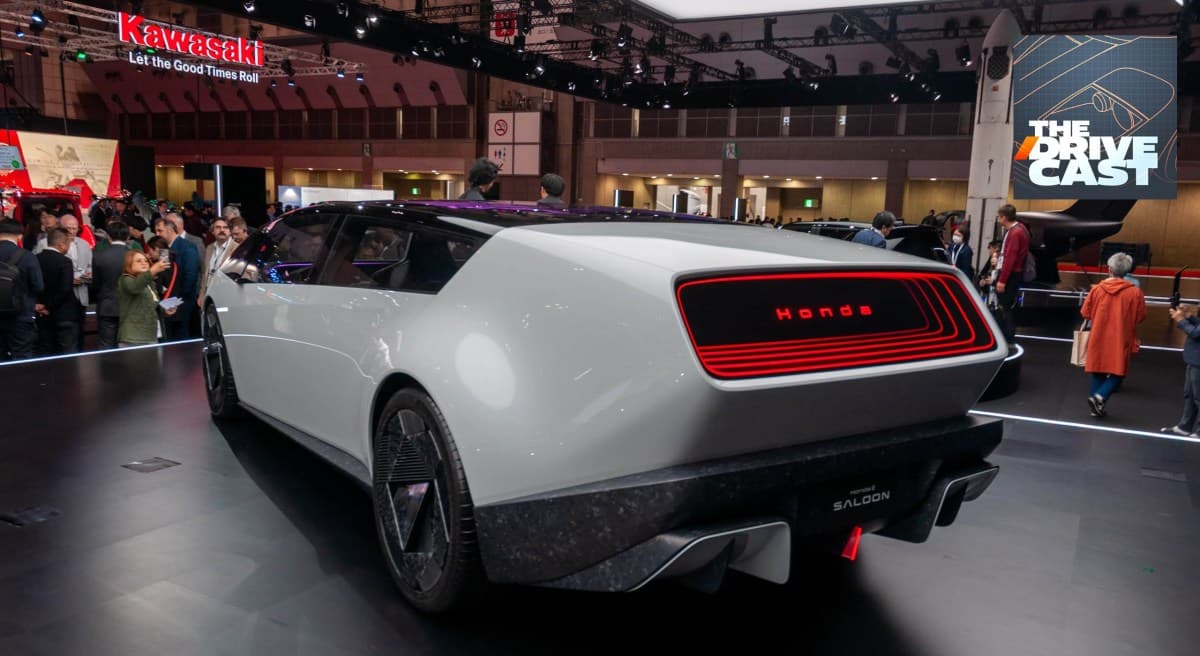
They Spent Billions. They Built the Future. Then It All Fell Apart
Companies Mentioned
Why It Matters
The fallout exposes the financial peril of an accelerated EV rollout and signals a strategic pivot that will reverberate through supply chains, capital allocation, and competitive dynamics across the automotive industry.
Key Takeaways
- •Honda writes off up to $7.5 billion from canceled U.S. EVs.
- •Nissan pivots to gas‑powered body‑on‑frame SUVs amid EV slowdown.
- •Ford abandons electric family haulers, targets $30,000 electric trucks.
- •Stellantis reintroduces V8 engines while delaying next‑gen EVs.
- •Industry-wide EV write‑offs force reassessment of long‑term investment strategies.
Pulse Analysis
The last five years saw an unprecedented surge of capital into electric‑vehicle development, driven by optimistic consumer forecasts and aggressive policy mandates. Automakers accelerated battery‑pack engineering, built new production lines, and announced ambitious model roadmaps, often before securing a clear market foothold. When sales lagged and subsidies shifted, those upfront expenditures turned into sunk costs, forcing companies to confront balance‑sheet realities that many had previously treated as speculative growth.
In response, legacy manufacturers are recalibrating their product strategies to protect margins and retain market relevance. Honda’s $7.5 billion write‑off underscores the danger of overcommitting to a single powertrain, prompting a renewed focus on hybrid and plug‑in models. Nissan’s return to gasoline‑powered, body‑on‑frame SUVs taps into a niche that still commands strong demand in North America and emerging markets. Ford’s pivot toward sub‑$30,000 electric trucks aims to capture price‑sensitive buyers while preserving its profitable F‑Series brand, and Stellantis’ revival of V8 engines signals a hedge against uncertain EV adoption rates. These moves illustrate a broader industry trend: diversification across powertrains rather than an all‑in bet on electrification.
Looking ahead, the auto sector is likely to adopt a more measured electrification cadence, blending internal‑combustion, hybrid, and battery‑electric offerings based on regional demand and regulatory environments. Investors will scrutinize capital efficiency, rewarding firms that can pivot quickly without eroding cash reserves. Meanwhile, suppliers tied to battery production may face consolidation, while traditional component makers could see a resurgence. The strategic realignments highlighted in the latest Drivecast episode suggest that the next decade will be defined not by a single technology, but by a flexible, multi‑platform approach that balances sustainability goals with financial prudence.
They Spent Billions. They Built the Future. Then It All Fell Apart
Comments
Want to join the conversation?
Loading comments...