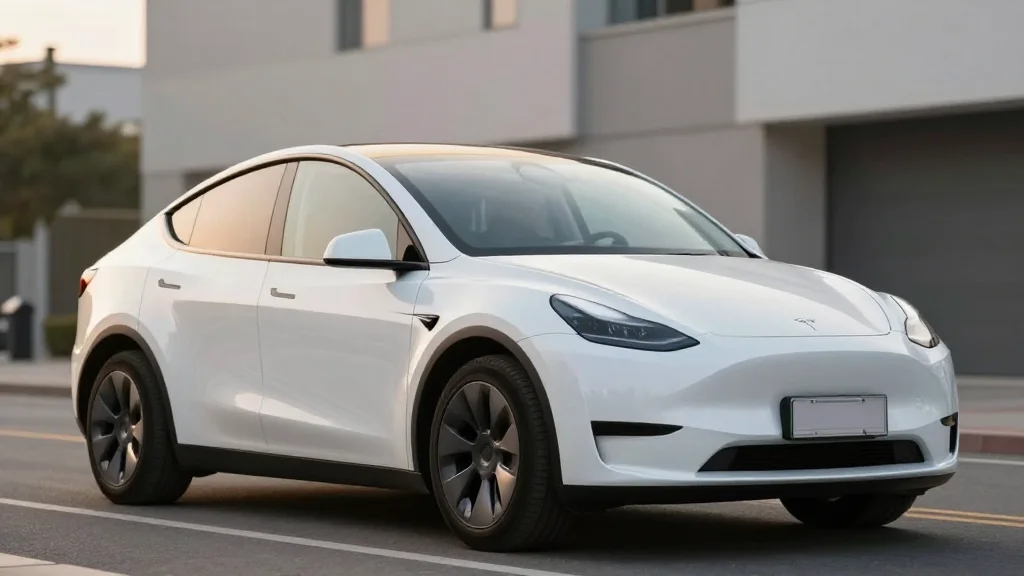
Think Fast-Charging Ruins EV Batteries? Look At This 111,000-Mile Tesla Model Y
Companies Mentioned
Why It Matters
The result challenges the prevailing belief that frequent fast charging inevitably harms EV batteries, especially for LFP chemistry, influencing fleet‑operator charging strategies and consumer confidence. It underscores the need to evaluate battery technology when planning infrastructure investments.
Key Takeaways
- •111,000‑mile Model Y retained 92% battery health.
- •32,684 kWh charged via DC fast chargers, only 36 kWh AC.
- •LFP pack outperformed NMC pack in degradation tests.
- •Fast charging impact varies by battery chemistry, not just usage.
- •Tesla’s LFP batteries can sustain 100% charge without major loss.
Pulse Analysis
The recent diagnostic review of a high‑mileage Tesla Model Y provides a rare data point in the ongoing debate over fast‑charging wear. While industry studies often cite DC rapid charging as a primary accelerator of capacity loss, this vehicle logged over 32 MWh of fast‑charge energy and still exhibits a 92% state of health. Such resilience is attributed to its lithium‑iron‑phosphate (LFP) chemistry, which tolerates full‑charge cycles and high charge rates better than the nickel‑manganese‑cobalt (NMC) chemistries found in many earlier EVs.
LFP’s lower energy density is offset by cost advantages and a more forgiving charging profile, making it attractive for high‑utilisation fleets such as taxis and rideshare services. Operators can now consider fast‑charging hubs without fearing accelerated battery attrition, provided the vehicles employ LFP packs. Conversely, NMC‑based models still benefit from moderated charging limits—typically 80%—to preserve longevity. This chemistry‑specific insight is prompting manufacturers to diversify battery offerings and tailor warranty terms to reflect real‑world degradation patterns.
Looking ahead, the broader EV market is likely to see a shift toward chemistries that balance range, cost, and durability. As battery management systems become more sophisticated, they can dynamically adjust charge rates based on temperature and state‑of‑charge, further mitigating degradation risks. For consumers, the takeaway is nuanced: fast charging isn’t universally detrimental, but understanding the underlying battery type remains essential for maximizing total‑cost‑of‑ownership and ensuring a vehicle’s resale value.
Think Fast-Charging Ruins EV Batteries? Look At This 111,000-Mile Tesla Model Y
Comments
Want to join the conversation?
Loading comments...