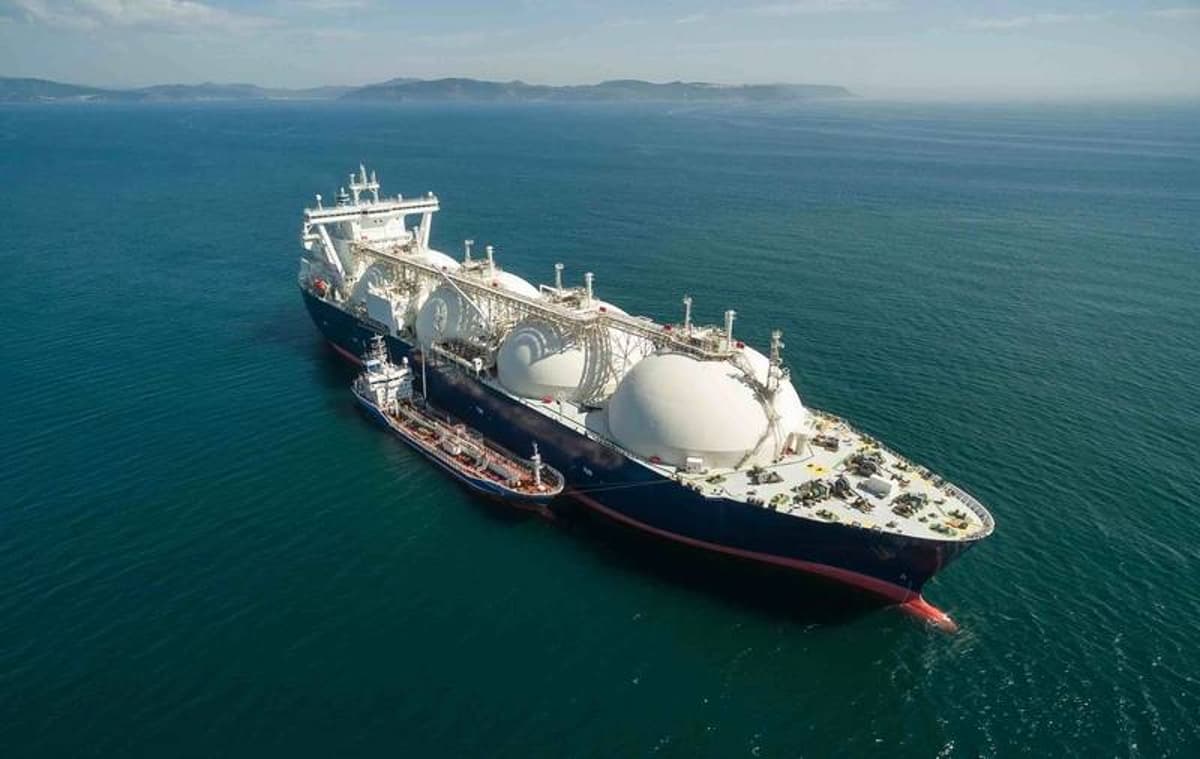
Third Qatari LNG Tanker Transits Hormuz to China
Companies Mentioned
Why It Matters
The transit demonstrates Qatar’s ability to sustain LNG exports despite Iran’s attacks, preserving supply to Asian markets and stabilizing global energy prices.
Key Takeaways
- •Al Sahla, 212k m³ LNG tanker, left Ras Laffan for Tianjin.
- •Third Qatari LNG cargo transits Hormuz since February airstrikes.
- •Iran approved shipment to build Qatar‑Pakistan confidence during talks.
- •Iran attacks destroyed 17% of Qatar’s LNG capacity, 12.8 Mt/yr.
- •Qatari team in Tehran coordinates with U.S. to ease regional tensions.
Pulse Analysis
Qatar, the world’s second‑largest LNG exporter, has seen 17% of its export capacity—about 12.8 million metric tons per year—crippled by Iranian missile and drone attacks since the February escalation. The loss threatens the steady flow of gas to Asia, where demand remains robust amid Europe’s shift away from Russian supplies. By routing the Al Sahla through the strategic Strait of Hormuz, Qatar signals that it can still deliver cargoes, mitigating concerns of a supply shock that could push spot prices higher.
The recent Hormuz transits are more than logistical feats; they reflect a nuanced diplomatic dance. Iran’s approval of the shipment, reportedly to bolster confidence between Qatar and Pakistan, underscores Islamabad’s role as a peace broker between Tehran and Doha. The presence of a Qatari negotiating team in Tehran, working alongside U.S. officials, suggests that energy trade is being leveraged as a confidence‑building measure in broader regional talks. Such coordination hints at a possible de‑escalation pathway that could restore more predictable shipping lanes.
For the global LNG market, the successful passage of the Al Sahla offers a modest but meaningful reassurance to buyers in China, Japan, and South Korea. Consistent deliveries help anchor contract pricing and reduce reliance on spot market volatility. If diplomatic efforts bear fruit, we may see a gradual normalization of transit routes, encouraging further investment in LNG infrastructure and reinforcing Qatar’s position as a reliable supplier despite geopolitical headwinds. The next few weeks will be critical in gauging whether these diplomatic overtures translate into sustained shipping stability.
Third Qatari LNG Tanker Transits Hormuz to China
Comments
Want to join the conversation?
Loading comments...