This 30-30-30 Braking Rule Can Save You Money And Peace Of Mind
Why It Matters
Proper brake break‑in maximizes stopping performance and reduces premature wear, saving owners repair costs and enhancing vehicle safety.
Key Takeaways
- •30‑30‑30 rule creates even transfer film on rotors
- •Proper break‑in reduces brake pad glazing and vibration
- •Skipping it can cause early brake fade and squeal
- •Manufacturer guidelines may vary by pad material
- •Follow with gentle driving for a few hundred miles
Pulse Analysis
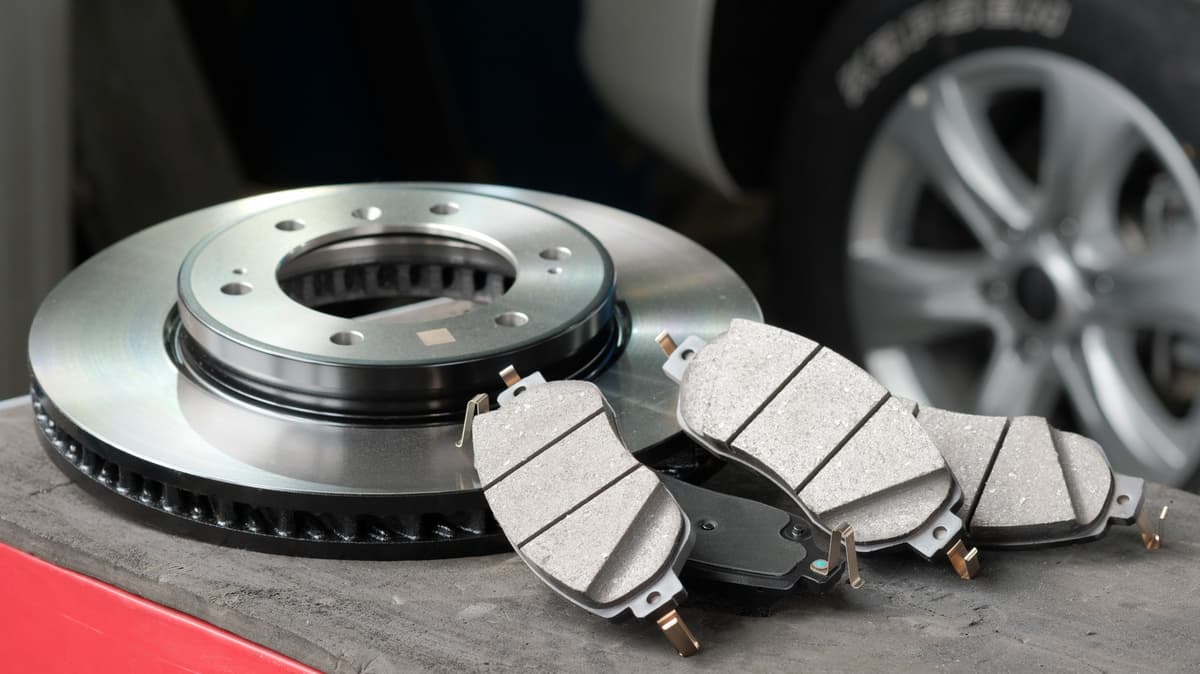
Brake break‑in is often overlooked, yet it plays a pivotal role in the long‑term health of a vehicle’s stopping system. When new pads contact cold rotors, a microscopic layer of pad material—known as transfer film—must evenly coat the rotor surface. The 30‑30‑30 sequence, with its controlled acceleration, firm braking, and brief coasting intervals, encourages this uniform film formation without overheating the components. By managing temperature spikes, the routine also prevents the resin‑based binders in pads from hardening prematurely, a condition called glazing that compromises friction.
Neglecting the break‑in can manifest as high‑pitched squeal, pedal pulsation, or a subtle loss of bite, especially under heavy braking. These symptoms stem from uneven pad deposits that create hot spots and trap gases, leading to the so‑called green fade where stopping power temporarily drops. Beyond safety, the hidden cost is accelerated component wear; uneven pads wear rotors faster, prompting earlier replacement and higher ownership expenses. Automotive technicians frequently cite improper break‑in as a root cause of warranty claims, underscoring its economic impact across the service industry.
Practical adoption of the 30‑30‑30 rule is straightforward: allocate 20‑30 minutes after the first few days of ownership, preferably in a low‑traffic area, and follow the prescribed cycles before resuming normal driving. While most organic and semi‑metallic pads benefit from this regimen, ceramic compounds may require a gentler approach, so consulting the vehicle or pad manufacturer remains essential. Incorporating this habit not only safeguards the brake system but also aligns with broader preventive‑maintenance philosophies that protect resale value and reinforce driver confidence.
This 30-30-30 Braking Rule Can Save You Money And Peace Of Mind
Comments
Want to join the conversation?
Loading comments...