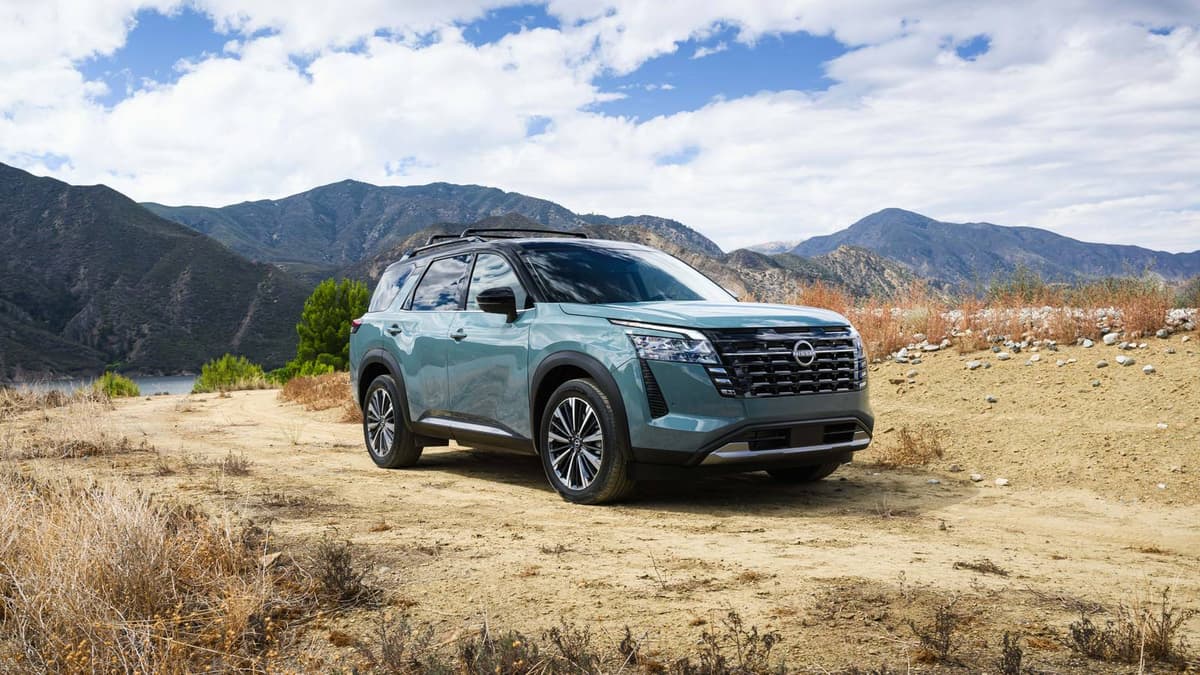
This $40,000 Nissan SUV Beats a $57,000 Lincoln on Fuel Economy and Towing
Companies Mentioned
Why It Matters
The comparison highlights how mainstream brands can out‑perform premium rivals on operating costs and utility, reshaping buyer expectations in the three‑row SUV segment. It underscores the growing importance of fuel efficiency and towing capacity as decisive factors against luxury features.
Key Takeaways
- •Pathfinder beats Aviator 23 mpg combined vs 21 mpg
- •Towing capacity: Pathfinder 6,000 lb, Aviator 5,000 lb
- •Base price gap $17,010 favors Pathfinder
- •Aviator adds premium interior and BlueCruise hands‑free
- •Cargo volume nearly equal; Pathfinder slightly larger
Pulse Analysis
In the crowded midsize three‑row SUV market, price sensitivity is increasingly decisive. The 2026 Nissan Pathfinder, starting around $40,000, undercuts the Lincoln Aviator’s $57,000 entry price by more than $17,000. That gap translates into lower monthly payments and a better total cost of ownership, especially for families that need a practical vehicle without the premium badge. While the Aviator touts a refined cabin, a 13.2‑inch infotainment screen, and Lincoln’s BlueCruise hands‑free highway system, the Pathfinder’s value‑driven proposition resonates with buyers focused on budget and utility.
Beyond price, the two SUVs diverge on efficiency and capability. EPA ratings give the Pathfinder 23 mpg combined, three points higher than the Aviator’s 21 mpg, delivering measurable fuel savings over a typical five‑year ownership horizon. Towing capacity also tips in Pathfinder’s favor, offering 6,000 lb versus the Aviator’s 5,000 lb, a difference that matters for owners of boats, campers, or trailers. Powertrain-wise, both rely on V6 engines, but Nissan sticks with a naturally aspirated 284‑hp unit, while Lincoln’s 3.0‑liter EcoBoost pushes a bit more horsepower but at the cost of higher fuel consumption. Driver‑assist technology further differentiates the models: Lincoln’s BlueCruise provides true hands‑free driving on mapped highways, whereas Nissan’s ProPILOT Assist remains a hands‑on system, though both include forward‑collision warning and lane‑keeping aids.
The broader implication for the industry is clear: premium features alone no longer guarantee market dominance. Consumers are rewarding brands that combine respectable performance with tangible cost advantages. Nissan’s ability to deliver better fuel economy, higher towing capacity, and a lower purchase price positions the Pathfinder as a compelling alternative to luxury‑oriented rivals. As automakers continue to layer advanced driver‑assist suites across lineups, the balance between luxury, technology, and everyday practicality will dictate future sales dynamics in the SUV segment.
This $40,000 Nissan SUV beats a $57,000 Lincoln on fuel economy and towing
Comments
Want to join the conversation?
Loading comments...