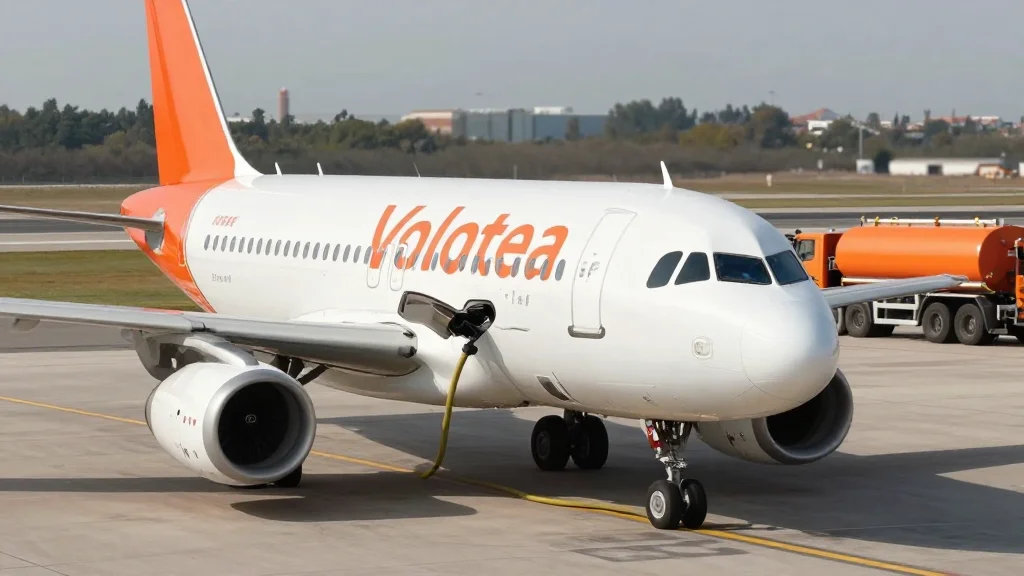
This Airline Could Change Fares Even After Booking Due To Rising Fuel Costs
Why It Matters
The policy directly ties ticket prices to volatile fuel costs, protecting Volotea’s margins while offering passengers a clear, refundable surcharge, a rare move in the ultra‑low‑cost segment. It signals how budget airlines may adapt pricing amid geopolitical supply disruptions.
Key Takeaways
- •Volotea may add up to €14 ($15) surcharge per flight
- •Free changes or cancellations allowed up to four hours before departure
- •Price adjustments based on fuel market a week before departure
- •Refunds issued if fuel prices fall, capped at same €14 limit
- •Model aims to avoid fixed fuel surcharges, remains temporary
Pulse Analysis
The ongoing Iran conflict has throttled oil flow through the Strait of Hormuz, pushing global jet‑fuel prices to multi‑year highs. European carriers, especially those with thin profit margins, are feeling the squeeze as fuel now accounts for a larger share of operating costs. While legacy airlines have largely passed costs onto passengers through higher base fares or ancillary fees, low‑cost operators face a tougher dilemma: maintain rock‑bottom prices or risk eroding profitability.
Volotea’s new “Fair Travel Promise" seeks a middle ground. By monitoring fuel benchmarks a week before each flight, the airline can impose a surcharge of up to €14 (≈$15) per passenger when prices spike, and automatically refund the same amount if fuel costs retreat. The adjustment is communicated through several pre‑flight notifications, and travelers retain the ability to modify or cancel bookings free of charge up to four hours before take‑off. This dynamic pricing model is positioned as a temporary, transparent fix rather than a permanent fuel surcharge, aiming to preserve the carrier’s ultra‑low‑cost identity while shielding its balance sheet.
If Volotea’s experiment proves successful, other budget airlines may adopt similar real‑time fare mechanisms, especially as fuel volatility persists. U.S. carriers such as Delta and United have already raised baggage fees and other ancillaries to offset fuel spikes, but few have offered refundable surcharges tied to market movements. For consumers, the approach promises clearer cost expectations and the possibility of refunds, yet it also introduces uncertainty at the point of purchase. The broader industry will watch closely to see whether dynamic, fuel‑linked pricing becomes a new norm in the era of geopolitical energy shocks.
This Airline Could Change Fares Even After Booking Due To Rising Fuel Costs
Comments
Want to join the conversation?
Loading comments...