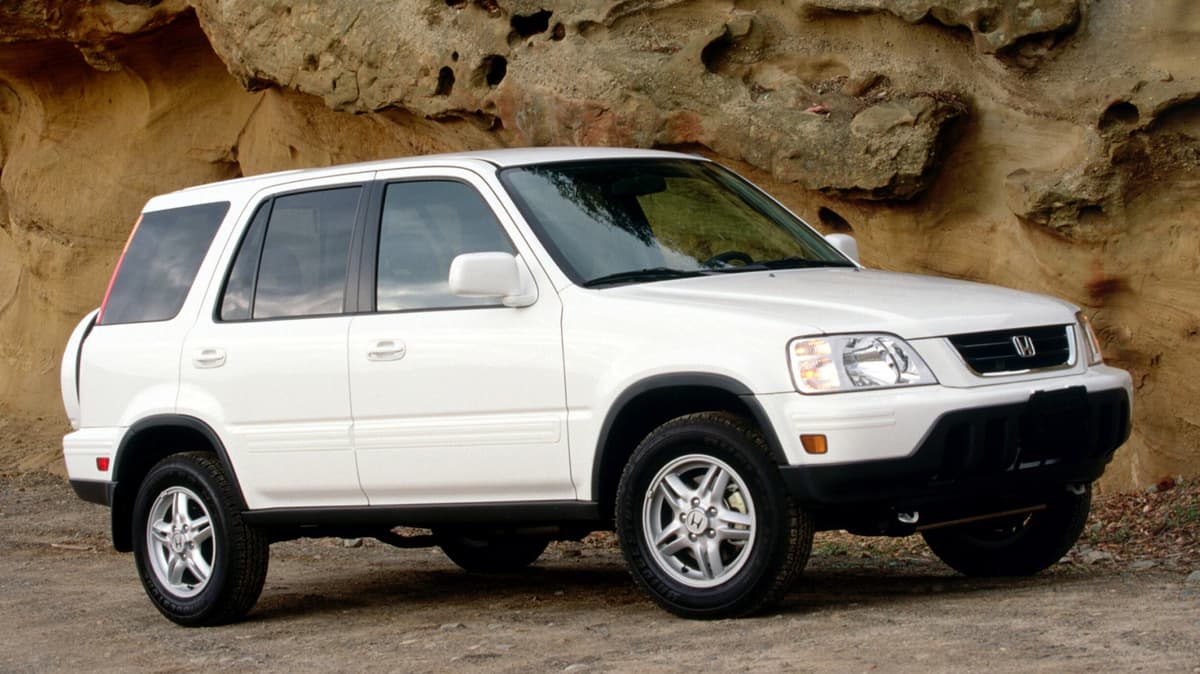
This Honda CR-V Shower Attachment Might Be The Weirdest Vehicle Option Ever
•March 7, 2026
0
Why It Matters
The electric shower highlighted a niche strategy to attract active‑lifestyle consumers, differentiating the CR‑V in a crowded SUV market. Its removal signals how shifting consumer preferences forced Honda to prioritize broader family appeal over specialty accessories.
Key Takeaways
- •First‑gen CR‑V offered optional electric shower
- •Shower powered by 12‑volt trunk outlet
- •Feature targeted active‑lifestyle consumers
- •Removed after 2007 redesign focusing on family market
- •Honda continues utility focus with Ridgeline and Passport features
Pulse Analysis
When Honda entered the burgeoning compact SUV segment in the late 1990s, it faced stiff competition from models like the Jeep Cherokee XJ and Nissan Pathfinder. Rather than merely copying the boxy silhouette and drivetrain layout, Honda infused the CR‑V with a suite of lifestyle accessories, the most eye‑catching being an electric shower. Powered by a standard 12‑volt outlet in the trunk, the shower could be hung from the rear window, allowing hikers, campers, or beachgoers to rinse off before stepping inside the vehicle. This level of convenience was rare for production cars and positioned the CR‑V as a purpose‑built adventure companion.
The rationale behind the shower was rooted in Honda’s understanding of its target demographic: active, outdoors‑focused consumers who valued practicality over pure performance. By pairing the shower with roof racks, a foldable table, and a waterproof storage compartment, the CR‑V offered an integrated kit that pre‑dated today’s aftermarket portable shower systems. The feature also reinforced Honda’s broader brand promise of reliability and utility, leveraging the Civic’s proven chassis while differentiating the SUV through unique, user‑centric amenities.
By 2007, consumer expectations had shifted. SUVs were increasingly viewed as family transport rather than expedition gear, prompting Honda to redesign the CR‑V with a sleeker, more car‑like aesthetic and to drop the electric shower. Nonetheless, the company’s commitment to functional innovation persists in models like the Ridgeline pickup’s in‑bed trunk and the Passport’s modern fold‑out table. The CR‑V’s brief shower era serves as a case study in how automakers can experiment with niche features to capture specific market segments, then pivot when broader trends demand a more universal appeal.
This Honda CR-V Shower Attachment Might Be The Weirdest Vehicle Option Ever
0
Comments
Want to join the conversation?
Loading comments...