This Japanese SUV Has Space Shuttle Tech and Costs 8K Less than a Volvo XC90
Companies Mentioned
Why It Matters
The price advantage and tech‑focused cabin give Infiniti a compelling edge over Volvo, reshaping buyer expectations in the premium family‑SUV market.
Key Takeaways
- •QX60 starts at $54,080, $8,300 below XC90 price.
- •Zero Gravity seats use NASA research to reduce driver fatigue.
- •2.0‑L VC‑Turbo delivers 268 hp, paired with nine‑speed automatic.
- •Warranty: 4‑yr/60k mi bumper, 6‑yr/70k mi powertrain.
- •Cargo space advantage: 41.6 cu ft behind second row vs XC90 35 cu ft.
Pulse Analysis
Three‑row luxury SUVs have become a battleground for brands seeking to blend premium comfort with family practicality. Volvo’s XC90 has long set the benchmark with its Scandinavian design and safety pedigree, but its $62,445 entry price places it out of reach for many budget‑conscious buyers. Infiniti’s QX60, entering the segment at $54,080, narrows that gap dramatically, offering a comparable cabin layout, advanced driver‑assist features, and a longer warranty—factors that increasingly influence purchasing decisions in a price‑sensitive market.
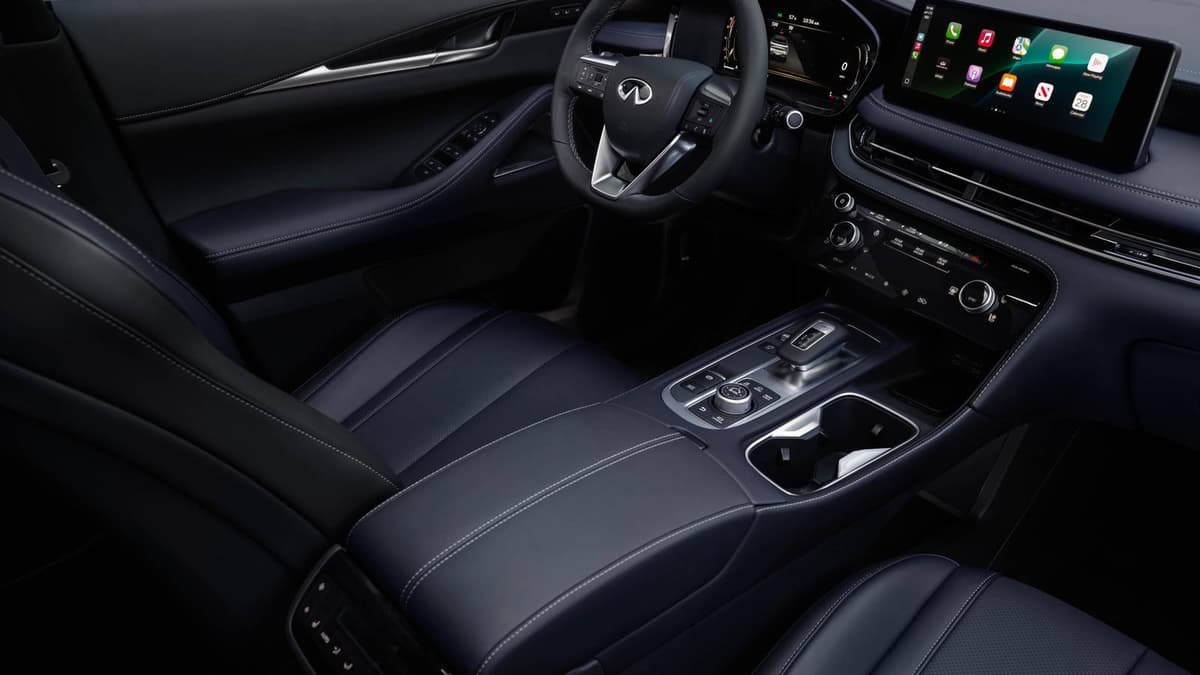
Infiniti differentiates itself through aerospace‑derived technology, most notably the Zero Gravity seats that aim to mitigate driver fatigue on long journeys. Coupled with a 2.0‑liter variable‑compression turbo engine that produces 268 hp and a nine‑speed automatic, the QX60 delivers a smooth, efficient driving experience while keeping emissions in check. Inside, a 12.3‑inch Google‑integrated touchscreen outpaces the XC90’s 11.2‑inch display, reinforcing Infiniti’s tech‑first narrative. These innovations appeal to consumers who prioritize connectivity and ergonomic comfort over traditional luxury cues.
The combined effect of a lower sticker price, superior warranty coverage, and distinctive tech features could shift market dynamics, nudging buyers toward the QX60 as a viable alternative to the XC90. For Infiniti, the strategy underscores a broader industry trend: leveraging specialized engineering—whether from aerospace or hybrid powertrains—to create perceived value without inflating cost. As competition intensifies, manufacturers that successfully blend affordability with differentiated technology are likely to capture a larger share of the premium SUV segment.
This Japanese SUV has space shuttle tech and costs 8K less than a Volvo XC90
Comments
Want to join the conversation?
Loading comments...