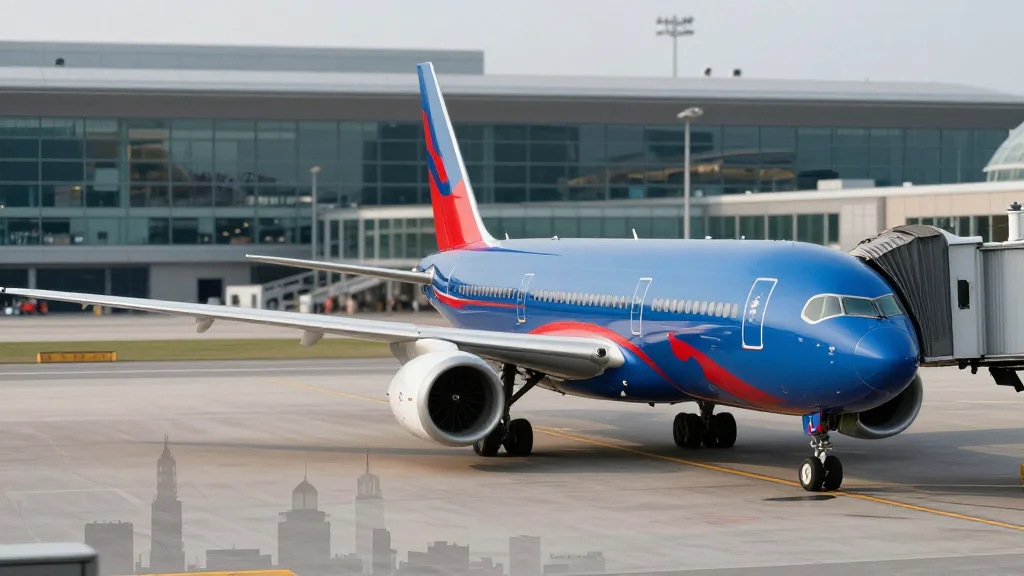
This Major US Airline’s Route Network Will No Longer Include Chicago O’Hare And Washington-Dulles Airports
Companies Mentioned
Why It Matters
The withdrawal reshapes Southwest’s hub strategy, reducing exposure to congested, high‑cost airports while preserving market presence through nearby alternatives. It signals how legacy carriers are adapting route networks to balance operational efficiency with customer demand during a busy travel season.
Key Takeaways
- •Southwest ends service at ORD after 40 years
- •Southwest also leaves IAD, ending 20‑year presence
- •Customers redirected to Midway, DCA, and BWI
- •Employees can bid for open positions across Southwest’s network
- •Shift aligns with network refinement to improve efficiency
Pulse Analysis
Southwest Airlines’ decision to abandon Chicago O’Hare and Washington‑Dulles marks a rare retreat by one of the United States’ "Big Four" carriers from two of the nation’s busiest gateways. ORD, ranked sixth worldwide in passenger traffic in 2025 and the global leader in aircraft movements, has long been a logistical headache for low‑cost operators due to slot constraints and high fees. IAD, while less congested, still presented operational complexities that conflicted with Southwest’s point‑to‑point model. By consolidating Chicago service at Midway and Washington service at Reagan National and Baltimore‑Washington, Southwest preserves its market footprint while sidestepping the cost and delay penalties associated with the larger hubs.
The move is framed as a strategic network refinement aimed at boosting overall efficiency. Southwest will redeploy staff from ORD and IAD, offering them the chance to bid for roles across its expanding system, which could mitigate morale risks and retain experienced talent. For travelers, the airline assures that flight availability will remain “largely unchanged,” a claim supported by the airline’s extensive domestic and international slate from the alternate airports. However, passengers accustomed to the convenience of O’Hare’s extensive connections may need to adjust itineraries, potentially increasing reliance on ground transportation or connecting flights.
Southwest’s hub realignment arrives amid a turbulent summer travel landscape. The recent exit of Spirit Airlines has left a void in budget‑friendly service, especially in South Florida, while rising jet fuel costs and higher gasoline prices—driven by Middle‑East tensions—are pushing fares upward across the board. By trimming operations at high‑cost airports, Southwest positions itself to better manage these cost pressures and remain competitive against legacy carriers that continue to dominate the congested hubs. The strategy underscores a broader industry trend: low‑cost airlines are increasingly fine‑tuning route networks to balance growth ambitions with the realities of airport economics and seasonal demand spikes.
This Major US Airline’s Route Network Will No Longer Include Chicago O’Hare And Washington-Dulles Airports
Comments
Want to join the conversation?
Loading comments...