This Might Be Why Your Car Is Eating Through Spark Plugs

Why It Matters
Replacing spark plugs too often inflates maintenance costs and degrades vehicle performance, affecting both owners and service providers. Understanding the root causes helps drivers preserve engine efficiency and avoid expensive downstream repairs.
Key Takeaways
- •Wrong plug size or heat range accelerates wear
- •Low‑quality fuel adds carbon, shortening plug life
- •Aggressive driving and short trips increase plug stress
- •Iridium plugs can last up to 100,000 miles
- •Regular service and correct plug choice prevent costly repairs
Pulse Analysis
Spark plug longevity hinges on material composition and proper fit. Copper plugs, common in older high‑compression or forced‑induction engines, typically require replacement around 20,000 miles, whereas platinum and iridium variants—especially double‑platinum designs for waste‑spark systems—can endure 60,000 to 100,000 miles. Selecting the exact thread size, reach, and heat range specified by the manufacturer ensures optimal combustion and prevents premature erosion caused by vibration or misalignment.
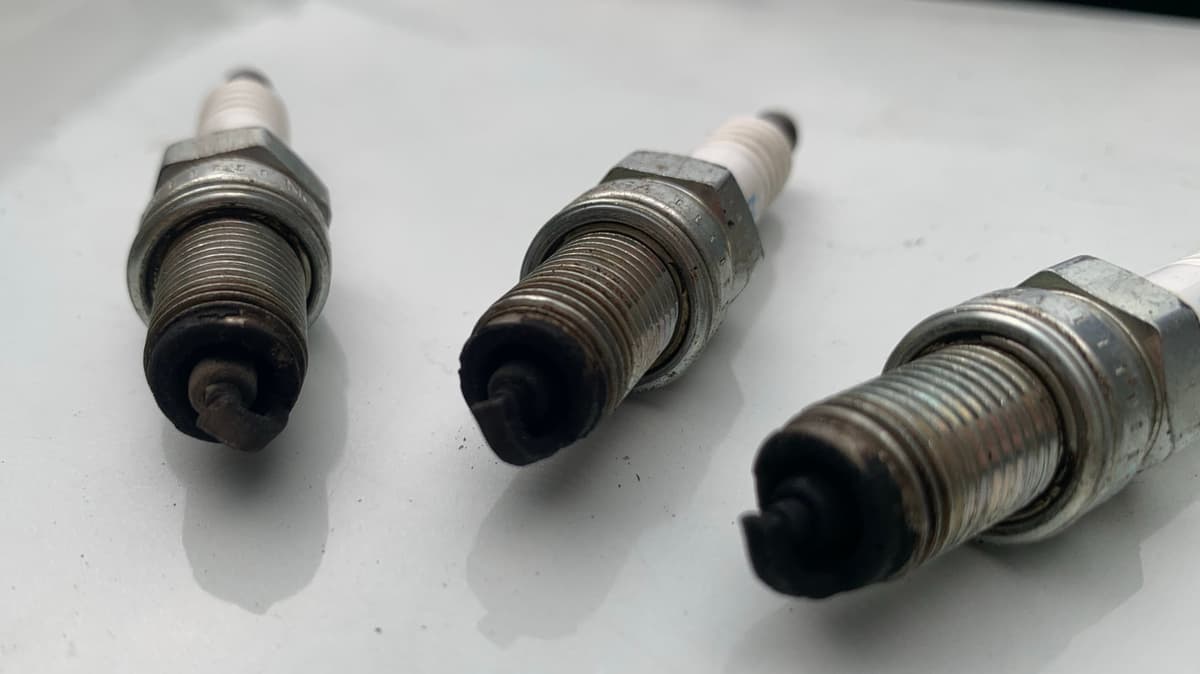
Fuel quality plays a surprisingly large role in plug health. Gasoline contaminated with dirt, rust, or water introduces particulates that settle on the plug tip, forming carbon deposits that impede spark formation. Over time, these fouled plugs force the ignition coil to work harder, accelerating wear and potentially damaging related components. Drivers who consistently use reputable, top‑tier fuel reduce carbon buildup, maintain cleaner combustion chambers, and extend the service interval for their plugs.
Driving behavior and maintenance discipline complete the wear equation. Rapid accelerations, hard braking, and frequent short trips keep engines running rich, fostering excess carbon and heat that degrade plug electrodes. Conversely, smooth acceleration, proper warm‑up periods, and regular oil changes keep combustion temperatures stable. Coupled with scheduled inspections—checking gap, electrode wear, and signs of fouling—owners can catch issues early, avoid misfires, and preserve fuel economy, ultimately saving on repair bills and extending vehicle lifespan.
This Might Be Why Your Car Is Eating Through Spark Plugs
Comments
Want to join the conversation?
Loading comments...