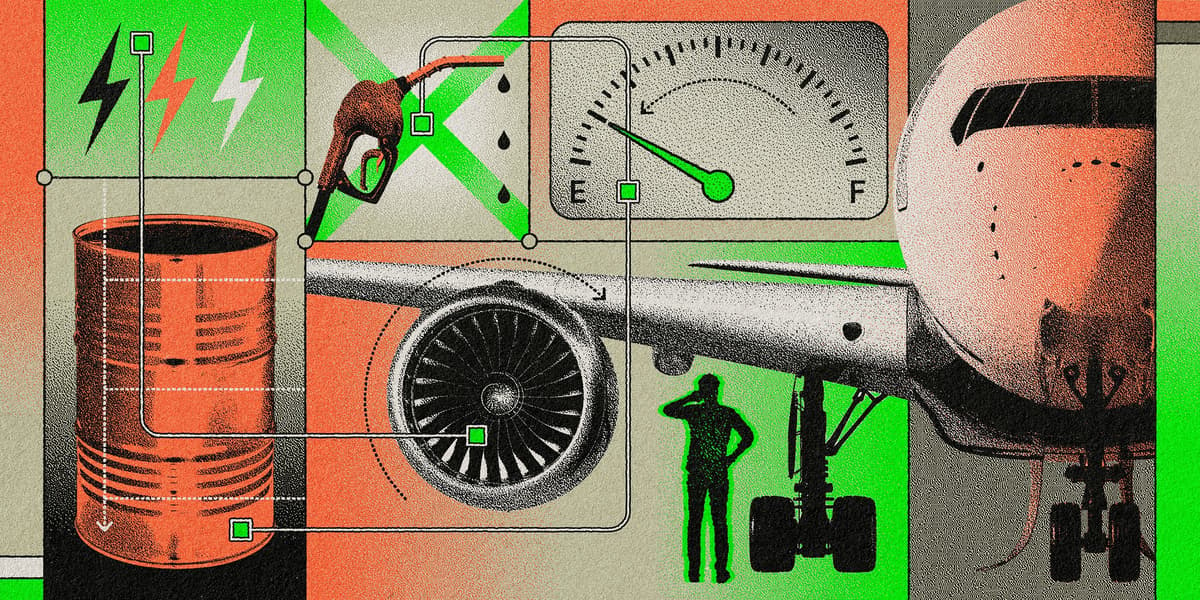
This Summer Travel Season Could Forever Alter the Future of Sustainable Aviation Fuel
Why It Matters
A rapid shift to SAF can curb aviation‑related carbon emissions while reducing reliance on geopolitically volatile oil markets, reshaping the industry’s fuel strategy.
Key Takeaways
- •Iran conflict cuts crude output, spurring SAF interest
- •Waste cooking oil can meet up to 5% of jet fuel demand
- •Summer travel surge pushes airlines to secure SAF contracts
- •U.S. tax credit offers $1.5 per gallon SAF incentive
- •Major airlines pledge 10% SAF use by 2030
Pulse Analysis
Geopolitical turbulence in the Middle East has sent oil prices soaring, forcing airlines to reconsider their fuel procurement strategies. The summer travel season, traditionally a period of heightened demand, now doubles as a proving ground for Sustainable Aviation Fuel derived from waste streams. By tapping into the abundant supply of used cooking oil and restaurant grease, carriers can hedge against price spikes while meeting the expectations of eco‑conscious travelers. This convergence of supply constraints and consumer pressure is accelerating negotiations for long‑term SAF purchase agreements.
Technologically, converting used cooking oil into jet‑grade fuel involves hydro‑processing and catalytic cracking, processes that strip impurities and align the product with ASTM D7566 standards. The resulting SAF can cut lifecycle greenhouse‑gas emissions by 60‑80 percent compared with conventional kerosene. Production facilities in the United States and Europe are scaling from pilot plants to commercial units capable of delivering several million gallons annually. While the feedstock is inexpensive—often sourced for under $0.30 per gallon—the capital intensity of refining and certification adds cost, keeping SAF prices roughly 20‑30 percent above traditional jet fuel.
Policy incentives are pivotal to bridging the price gap. The U.S. Inflation Reduction Act provides a refundable tax credit of up to $1.5 per gallon for SAF meeting stringent emissions thresholds, while the EU’s Renewable Energy Directive mandates a 14 percent SAF blend by 2030. Major airlines have publicly pledged to achieve at least 10 percent SAF usage within the next decade, leveraging these subsidies to lock in supply. However, challenges remain, including feedstock logistics, limited refinery capacity, and the need for broader international certification. If the summer travel boom successfully demonstrates reliable SAF availability, it could cement a lasting transformation in aviation fuel economics and environmental performance.
This Summer Travel Season Could Forever Alter the Future of Sustainable Aviation Fuel
Comments
Want to join the conversation?
Loading comments...