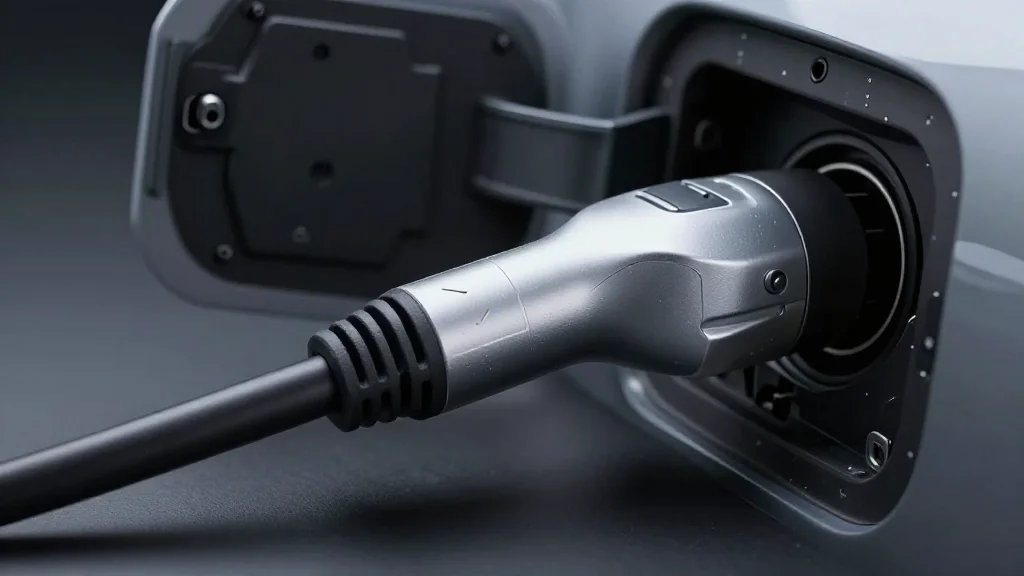
This Supercharger Extension Cable Promises To Fix A Big Pain Point, But Falls Short: Expert
Why It Matters
The failure of a high‑priced, third‑party adapter undermines confidence in aftermarket solutions for the growing non‑Tesla EV market, potentially slowing adoption of shared fast‑charging networks. It also highlights safety and warranty risks that owners must weigh when extending Supercharger access.
Key Takeaways
- •8‑foot cable rated 1,000 V, 350 A costs $729
- •Testing stopped charging Rivian after 17 minutes, F‑150 after 8 minutes
- •Prototype performed better than final production version
- •Tesla Superchargers now open to non‑Tesla EVs, but cables are short
- •Manufacturers warn against third‑party adapters; warranties may be void
Pulse Analysis
The decision by Tesla to open its Supercharger network to non‑Tesla electric vehicles was a watershed moment for U.S. EV infrastructure, instantly adding tens of thousands of fast‑charging stalls to the public pool. While the move eases range anxiety for brands like Rivian, Ford, and Hyundai, the physical design of the stalls—specifically the short, left‑rear‑oriented cable—creates a logistical headache for cars with differently placed charge ports. This mismatch forces drivers to double‑park or stretch cords, prompting a surge in demand for aftermarket extension solutions.
Hansshow’s second‑generation NACS‑to‑CCS1 extension cable entered the market as a direct answer to that pain point, offering 5‑foot and 8‑foot lengths, a 1,000‑volt rating, and 350‑amp capacity. However, InsideEVs contributor Tom Moloughney’s hands‑on evaluation revealed critical reliability gaps. During an hour‑long stress test, the 8‑foot cable halted charging the Rivian R1S after just 17 minutes and the Ford F‑150 Lightning after eight minutes, even though the cable never exceeded 100 °F. Intriguingly, the pre‑production prototype performed flawlessly, suggesting a regression in the final manufacturing process or quality‑control oversight.
For EV owners, the episode serves as a cautionary tale about relying on third‑party adapters that lack OEM endorsement. At $729, the cable’s price tag is steep, and any failure could void vehicle warranties, leaving drivers liable for repair costs. The broader market implication is clear: manufacturers and charging network operators must either redesign stall hardware for universal reach or certify reliable adapters to sustain the momentum of shared fast‑charging adoption. Until then, consumers will continue to weigh convenience against safety and warranty risk when extending Tesla’s Supercharger ecosystem.
This Supercharger Extension Cable Promises To Fix A Big Pain Point, But Falls Short: Expert
Comments
Want to join the conversation?
Loading comments...