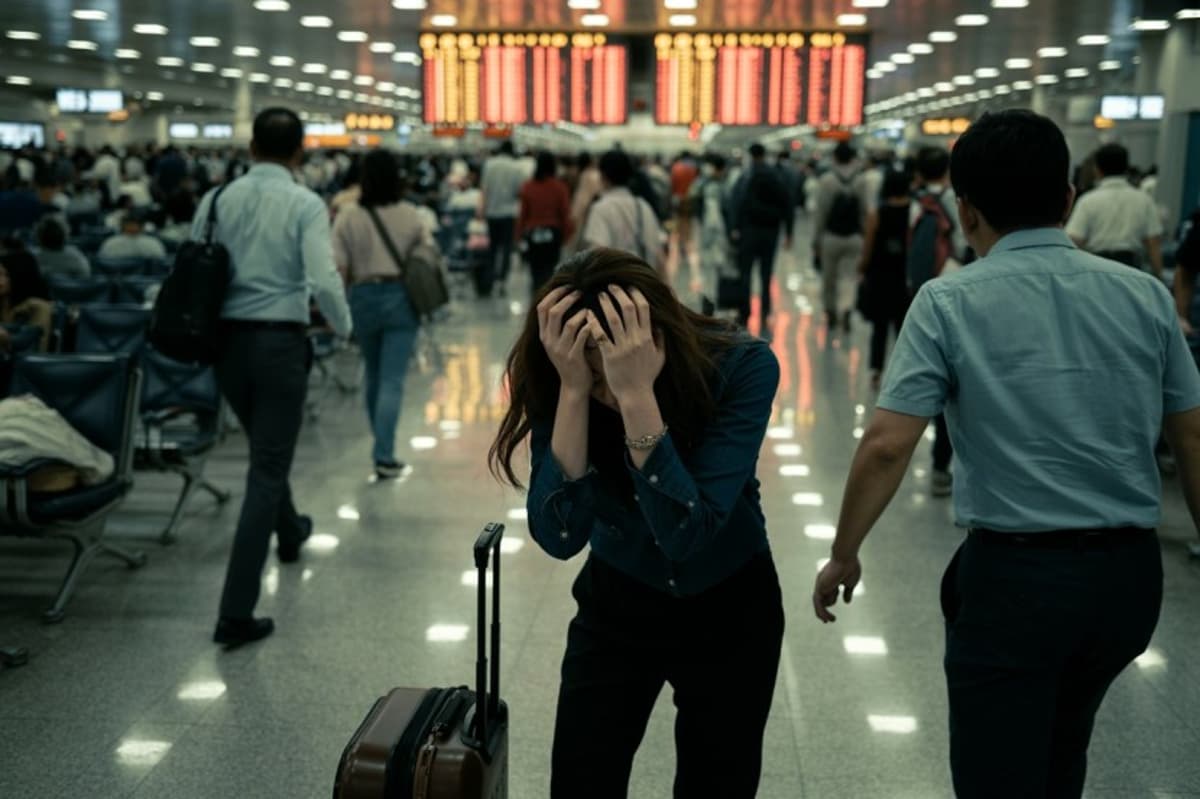
Thousands Of Passengers Suffer In Asia As Thailand, China, India, Türkiye, Indonesia, Sri Lanka, And UAE Cancel 1,222 And Delay 2,124 Flights, Grounding Air India, Emirates, Air China, Batik Air, Pegasus, And Others In Dubai, Kolkata, Bangkok, Beijing, And More
•March 5, 2026
0
Companies Mentioned
Why It Matters
The disruption highlights systemic capacity and scheduling challenges in Asia’s busiest hubs, potentially eroding consumer confidence and pressuring airlines to improve resilience. It also underscores the financial impact of large‑scale cancellations on carriers and ancillary service providers.
Key Takeaways
- •1,222 flights cancelled, 2,124 delayed across 16 Asian airports.
- •Dubai International leads cancellations with 632 flights.
- •Beijing records highest delays at 324 flights.
- •Emirates and FlyDubai top carriers with most cancellations.
- •Passengers should monitor airline apps for rebooking updates.
Pulse Analysis
The wave of flight cancellations and delays across Asia on March 5 underscores how tightly interwoven regional air traffic has become. Data from 16 airports shows over 3,300 disrupted movements, driven by a mix of weather anomalies, staffing shortages, and air‑traffic‑control bottlenecks that rippled through hub airports such as Dubai, Abu Dhabi, and Beijing. While the exact trigger varies by country, the convergence of these factors exposed the fragility of capacity planning in an era of ever‑growing passenger demand, prompting regulators and airlines to reassess contingency protocols.
For airlines, the financial fallout is immediate and multi‑dimensional. Emirates and FlyDubai alone faced more than 500 combined cancellations, translating into lost revenue, compensation payouts, and elevated operational costs. IndiGo’s 217 delayed flights further illustrate how domestic carriers are not immune to systemic shocks. The reputational risk is equally significant, as prolonged disruptions can erode brand loyalty and invite scrutiny from aviation authorities seeking to enforce passenger‑rights legislation. Hub airports, which serve as critical revenue generators, also feel pressure to upgrade infrastructure and improve real‑time communication channels to mitigate future cascade effects.
Travelers caught in the turmoil are advised to stay proactive: monitor airline notifications, use mobile apps for real‑time updates, and familiarize themselves with compensation policies. The episode reinforces the importance of robust passenger‑rights frameworks across the region, encouraging both regulators and carriers to streamline rebooking processes and provide clearer guidance. As Asian air traffic continues its upward trajectory, building resilience into scheduling, staffing, and technology will be essential to safeguard both airline profitability and passenger confidence.
Thousands Of Passengers Suffer In Asia As Thailand, China, India, Türkiye, Indonesia, Sri Lanka, And UAE Cancel 1,222 And Delay 2,124 Flights, Grounding Air India, Emirates, Air China, Batik Air, Pegasus, And Others In Dubai, Kolkata, Bangkok, Beijing, And More
0
Comments
Want to join the conversation?
Loading comments...