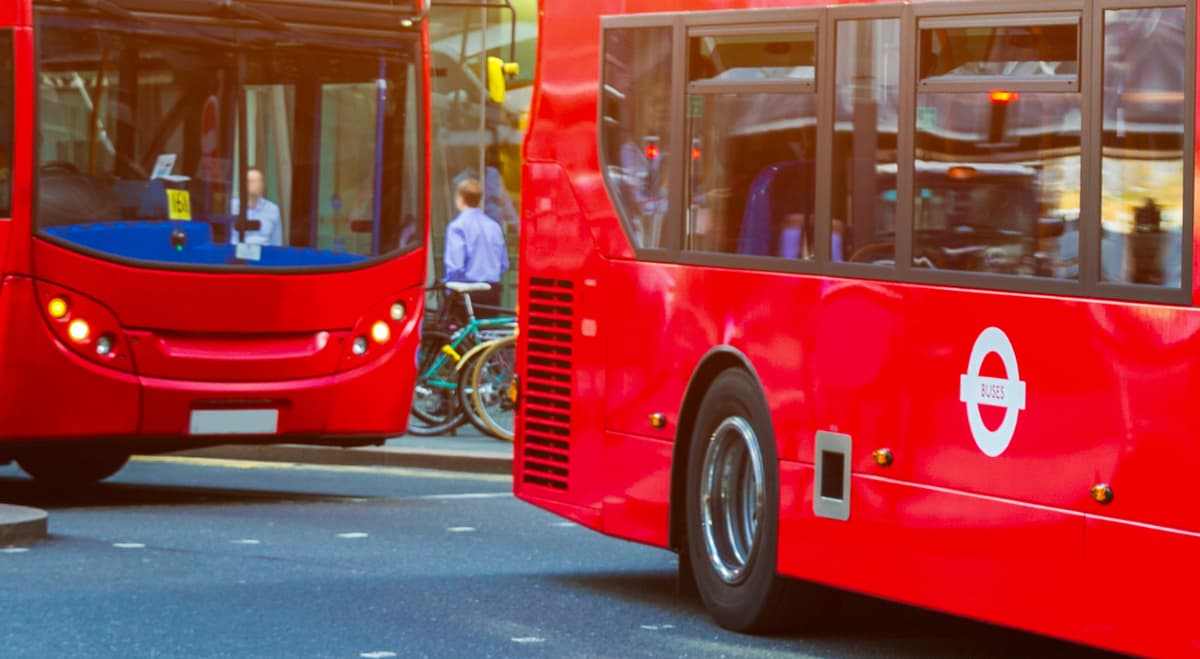
Three London Bus Routes (and Two DLR Lines) Are Now Free to Ride for Two Months
Why It Matters
The extension reinforces TfL’s strategy to shift traffic from toll‑charged roads to public transit, easing congestion and improving the tunnel’s public perception. It also supports east‑London economic growth by enhancing connectivity at minimal cost to riders.
Key Takeaways
- •Silvertown tunnel cost £2.2bn (~$2.8bn) opened April 7
- •Free rides on buses 108, 129, SL4 until May 26
- •Two DLR sections between Greenwich‑Island Gardens and Woolwich‑George V free
- •Riders must tap Oyster; TfL refunds fare
- •Extension aims to boost east London public transport usage
Pulse Analysis
The Silvertown tunnel, a £2.2 billion (£2.8 billion USD) project, was launched amid heated debate over toll pricing, environmental impact, and the need for a new Thames crossing. As London’s first sub‑river link in 30 years, the tunnel promised to relieve congestion on existing bridges, but critics warned it could encourage more car trips. TfL’s decision to pair the tunnel opening with free public‑transport incentives reflects a broader effort to balance infrastructure costs with sustainable mobility goals.
Under the original scheme, three east‑London bus routes—108, 129 and SL4—and two DLR corridors (Greenwich to Island Gardens and Woolwich Arsenal to George V) were offered free rides for a year. Extending this benefit to May 26 adds two more months of fare‑free travel, effectively subsidising thousands of journeys. While TfL must absorb the refunded fares, the move is expected to shift commuters from toll‑bearing routes to lower‑emission options, reducing traffic volumes and generating ancillary revenue through increased ridership on adjacent services.
Strategically, the free‑travel extension serves as a pilot for integrating major road projects with public‑transport incentives. By improving accessibility in east London, TfL supports ongoing regeneration efforts, such as the Billingsgate market redevelopment and new station projects. If successful, the model could inform future infrastructure rollouts across the UK, where coupling high‑cost tunnels or bridges with temporary fare waivers may smooth public acceptance and accelerate modal shift toward greener transit.
Three London bus routes (and two DLR lines) are now free to ride for two months
Comments
Want to join the conversation?
Loading comments...