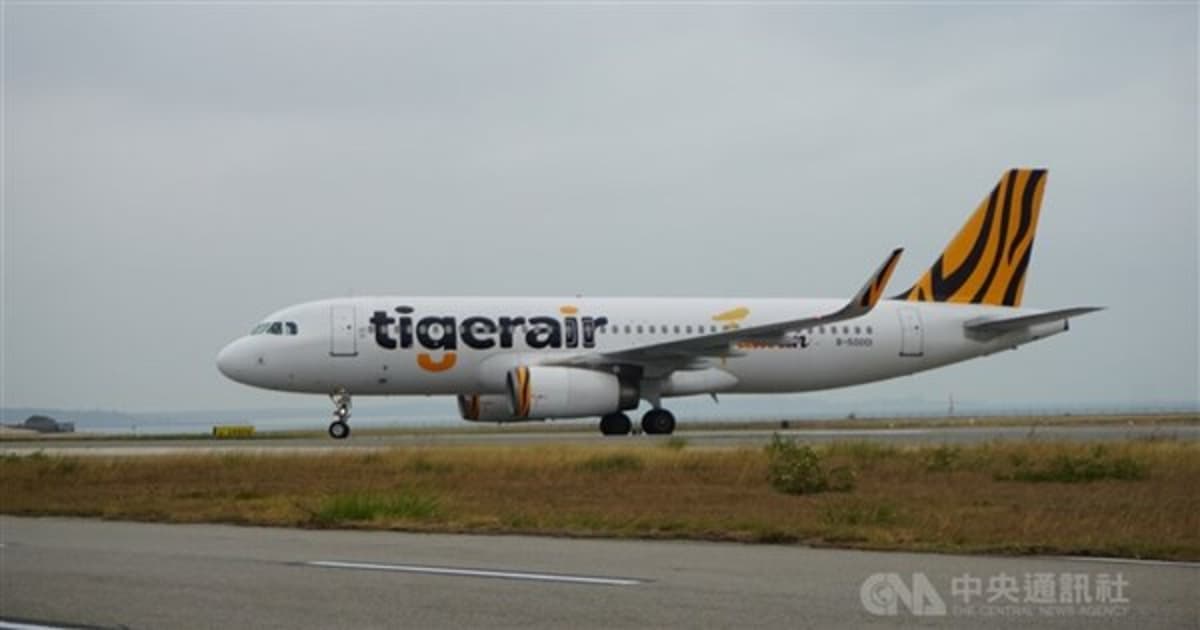
Tigerair Taiwan Plane Lands Safely in Hokkaido After Smoke Warning
Companies Mentioned
Why It Matters
The incident showcases the airline’s emergency response capabilities while highlighting how even brief safety events can disrupt regional schedules and affect passenger confidence.
Key Takeaways
- •Smoke warning triggered emergency landing of Airbus A320 in Hokkaido
- •All 179 passengers disembarked safely; no injuries reported
- •Runway closure delayed subsequent IT235 flight, causing schedule disruptions
- •Tigerair offered meal vouchers and alternative transport to affected travelers
Pulse Analysis
The cockpit smoke alert on Tigerair Taiwan’s IT234 flight underscores how modern avionics systems prioritize passenger safety. When the warning appeared during the final approach, the crew followed standard emergency procedures, notifying air traffic control and executing a controlled landing at New Chitose Airport. Such swift action aligns with International Civil Aviation Organization (ICAO) guidelines, which mandate immediate descent and landing when smoke is detected, minimizing risk of fire or system failure. The airline’s transparent communication and rapid passenger evacuation further reinforce industry best practices.
Operationally, the incident caused a brief runway shutdown at New Chitose, cascading into a delay for the follow‑on IT235 flight scheduled to depart for Taoyuan. While the disruption was limited to a single aircraft, it illustrates the tight interdependence of airline timetables and airport capacity, especially on busy cross‑strait routes between Taiwan and Japan. Airlines typically maintain buffer slots to absorb such shocks, but repeated events can erode on‑time performance metrics that carriers use to attract business travelers and tourism partners.
Regulators in both Taiwan and Japan are monitoring the event, with Taiwan’s Civil Aviation Administration already notified. The airline’s decision to provide meal vouchers and alternative transport reflects a growing trend toward proactive passenger compensation, aimed at preserving brand reputation after safety‑related incidents. As airlines expand low‑cost networks in the Asia‑Pacific, maintaining rigorous safety protocols and clear crisis communication will remain critical to sustaining consumer trust and meeting increasingly stringent regulatory expectations.
Tigerair Taiwan plane lands safely in Hokkaido after smoke warning
Comments
Want to join the conversation?
Loading comments...