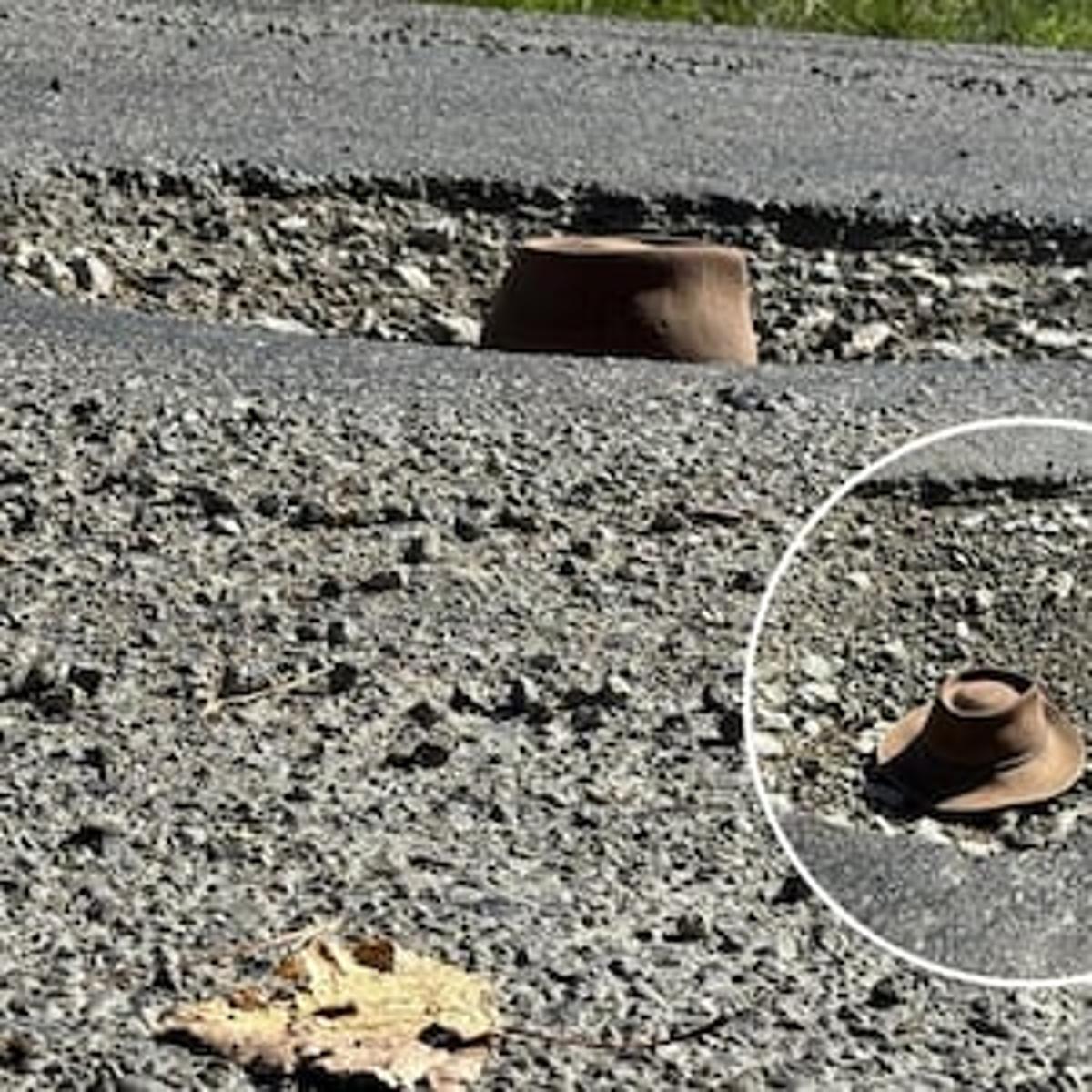
Tiniroto Rd Safety Fears Grow as Rural Gisborne Residents Report Hundreds of Potholes
Why It Matters
The deteriorating corridor threatens rural safety, disrupts freight logistics and highlights funding gaps in New Zealand’s regional infrastructure resilience.
Key Takeaways
- •Residents fill hundreds of potholes with gravel on Tiniroto Rd.
- •Council delays permanent resurfacing until bypass and cyclone repairs finish.
- •NZ$45M (≈US$27M) funding for new 2 km bypass, due late 2027.
- •Annual road maintenance costs $1.5‑$2.4M (≈US$0.9‑$1.44M).
- •Road carries 250 locals and heavy freight, dubbed “suicide road”.
Pulse Analysis
Tiniroto Road illustrates how rural infrastructure can become a flashpoint when natural disasters intersect with limited budgets. Heavy logging trucks and freight traffic regularly pound the unpaved surface, turning ordinary potholes into craters that damage vehicle suspensions and pose serious injury risks. Local farmers, like Alex Campbell, have resorted to filling the gaps with gravel, a stop‑gap that underscores the urgency of a durable solution and the community’s willingness to shoulder public‑service costs.
Gisborne District Council’s response is constrained by the aftermath of Cyclone Gabrielle, which triggered a $3 million (≈US$1.8 million) allocation for slip and dropout repairs and a multi‑year maintenance plan ranging from $1.5 million to $2.4 million (≈US$0.9‑$1.44 million) annually. The council has earmarked NZ$45 million (≈US$27 million) for a new 2‑km bypass slated for completion in late 2027, featuring two bridges and twenty culverts. By postponing full resurfacing until the bypass and broader recovery work finish, officials aim to avoid redundant expenditures, yet the delay leaves the existing road in a precarious state.
The situation has broader implications for New Zealand’s transport network, where rural routes serve as critical links when primary highways like SH2 are disrupted. Persistent safety concerns could deter freight operators, increase vehicle operating costs, and erode confidence in regional supply chains. Stakeholders are urging a phased investment approach that combines immediate safety measures—such as enhanced signage and speed restrictions—with accelerated funding for the bypass, ensuring the corridor remains functional and safe for both residents and commercial traffic.
Tiniroto Rd safety fears grow as rural Gisborne residents report hundreds of potholes
Comments
Want to join the conversation?
Loading comments...