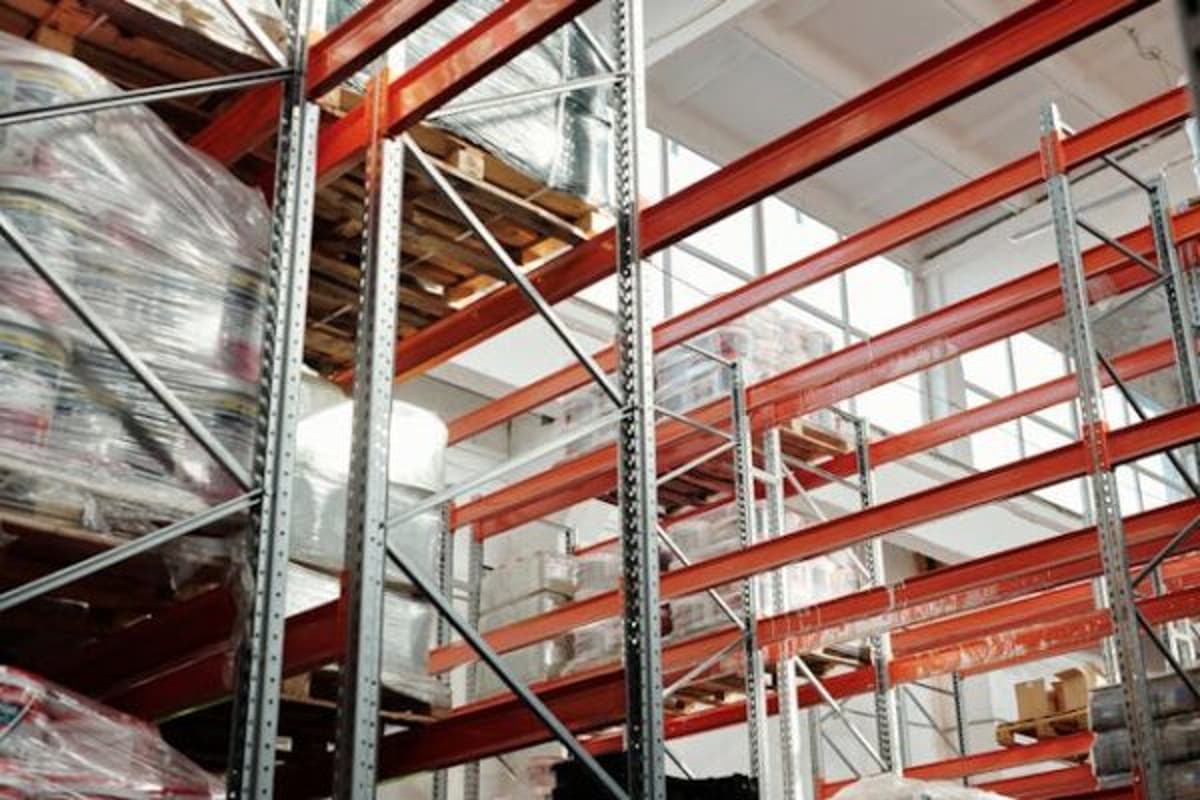
Top 10 Storage Strategies Used in High-Efficiency Distribution Centers
Why It Matters
These tactics boost throughput, lower labor costs, and safeguard margins amid e‑commerce growth and tighter delivery windows, giving operators a clear competitive advantage and a foundation for future automation.
Key Takeaways
- •Deep drive‑in racking can double warehouse capacity without expansion
- •High‑bay racking triples storage by using 12‑15 m ceiling height
- •ABC zone segmentation cuts picker travel time, saving hours weekly
- •Dynamic picking systems can slash order‑picking time by up to 40 %
- •Integrated WMS delivers 20‑30 % productivity gains through real‑time routing
Pulse Analysis
The modern distribution center faces relentless pressure from exploding e‑commerce volumes, shrinking profit margins, and a tightening labor market. As retailers promise same‑day delivery, facilities must squeeze more inventory into the same footprint while maintaining speed and accuracy. Storage optimization therefore becomes a strategic lever, enabling firms to meet customer expectations without costly real‑estate expansion.
Among the most impactful tactics are deep drive‑in racking and high‑bay vertical systems, which can double or even quadruple usable space by eliminating aisles and exploiting ceiling height up to 15 meters. Coupled with ABC zone segmentation—placing fast‑moving SKUs near docks—these approaches slash picker travel distances, translating into measurable hourly savings. Dynamic picking technologies such as gravity conveyors and vertical carousels further accelerate order fulfillment, often cutting pick times by 40 %. Standardizing pallet dimensions and integrating a robust warehouse‑management system (WMS) adds another 20‑30 % productivity boost by orchestrating real‑time routing and inventory placement.
Implementing these strategies requires upfront capital, but the ROI is clear: higher storage density, faster throughput, and reduced labor exposure. Companies should start with a data‑driven analysis of SKU velocity to prioritize zone redesign, then phase in vertical racking and automated picking where the cost‑benefit ratio is strongest. Looking ahead, AI‑driven slotting and collaborative robots will build on this foundation, delivering even finer control over space utilization and order accuracy while supporting sustainability goals through reduced energy per unit handled.
Top 10 Storage Strategies Used in High-Efficiency Distribution Centers
Comments
Want to join the conversation?
Loading comments...