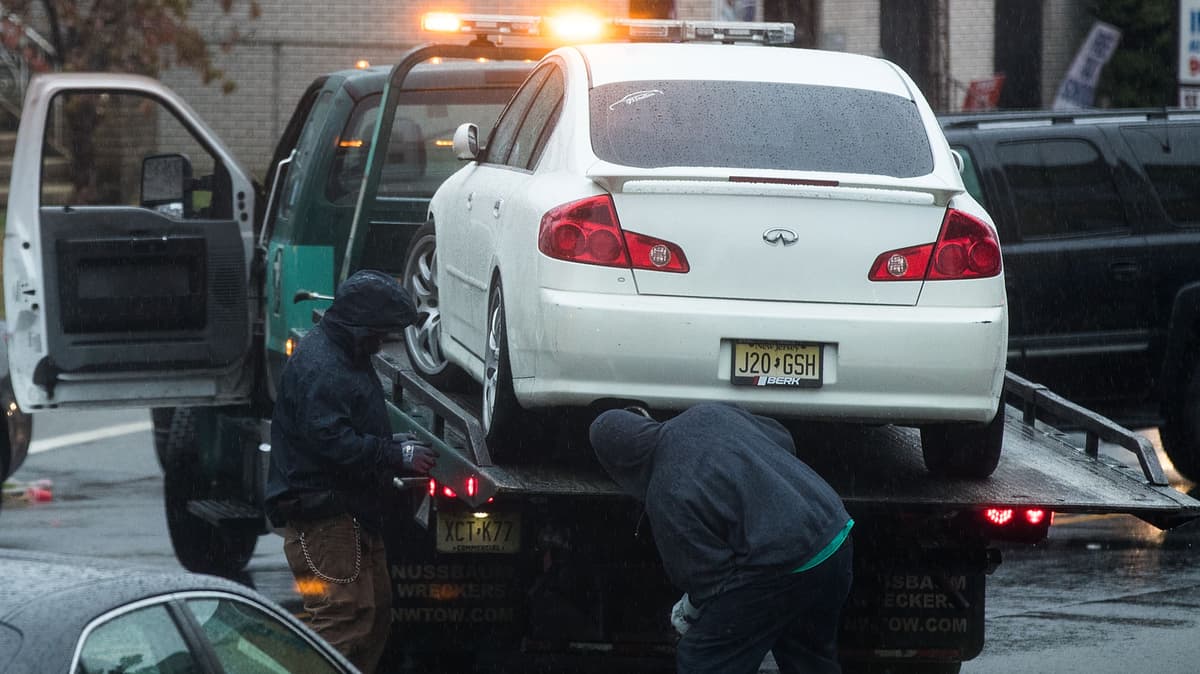
Tow Company Ignores New Laws Specifically Designed To Help Low Income Folks

Why It Matters
The gap between legislation and enforcement leaves vulnerable renters exposed to costly, predatory towing, eroding trust in consumer protection mechanisms and highlighting inequities in low‑income housing communities.
Key Takeaways
- •Connecticut law mandates notice before non‑consensual tow.
- •Some tow firms still tow without posting required signs.
- •Tenants report cash‑only payment and denied change.
- •Retaliatory tows target union activists and low‑income residents.
- •DMV reports no complaints despite ongoing alleged violations.
Pulse Analysis
Predatory towing has long been a pain point for renters, but Connecticut’s recent Consumer Bill of Rights was meant to curb the practice by imposing clear procedural safeguards. The legislation requires visible signage, advance notice before a vehicle is hauled, after‑hours availability, and the acceptance of credit cards, aiming to level the playing field for low‑income tenants who often lack the resources to contest illegal tows. By codifying these protections, the state signaled a commitment to consumer fairness and to reducing the financial burden of unexpected towing fees.
In practice, however, the law’s impact appears muted. Investigative reporting by the Connecticut Mirror revealed couples and individual renters whose cars were removed despite photographic proof of proper permits, only to encounter closed tow yards, surprise storage charges, and cash‑only payment demands. Tenants also allege that some companies use towing as retaliation against tenants who organize unions or report housing violations, disproportionately affecting Black and Hispanic communities in high‑poverty neighborhoods. The Connecticut DMV’s claim of zero complaints contrasts sharply with these on‑the‑ground accounts, suggesting a reporting gap or insufficient enforcement mechanisms.
The disconnect underscores a broader challenge for consumer‑protection policy: passing statutes is only the first step; robust oversight and accessible complaint channels are essential for real change. Stakeholders—including city regulators, tenant advocacy groups, and the towing industry—must collaborate to audit compliance, impose penalties for violations, and educate renters about their rights. Strengthening enforcement could transform Connecticut’s towing landscape from one of opportunistic exploitation to a model of transparent, equitable service, restoring confidence among low‑income residents and setting a precedent for other states grappling with similar issues.
Tow Company Ignores New Laws Specifically Designed To Help Low Income Folks
Comments
Want to join the conversation?
Loading comments...