Toyota and Stellantis Withdraw From CO₂ Pool with Tesla
•March 3, 2026
0
Why It Matters
The exits weaken Tesla’s regulatory revenue stream and reshape the competitive dynamics of EU emissions compliance, forcing remaining members to reassess their pooling strategies.
Key Takeaways
- •Toyota, Stellantis exit EU Tesla CO₂ pool for 2026.
- •Pool exit removes two major Tesla financial contributors.
- •Toyota expects to meet 96.3 g/km CO₂ target alone.
- •Stellantis may rely on Leapmotor EVs for regulatory relief.
- •Remaining pool members: Tesla, Ford, Honda, Mazda, Suzuki.
Pulse Analysis
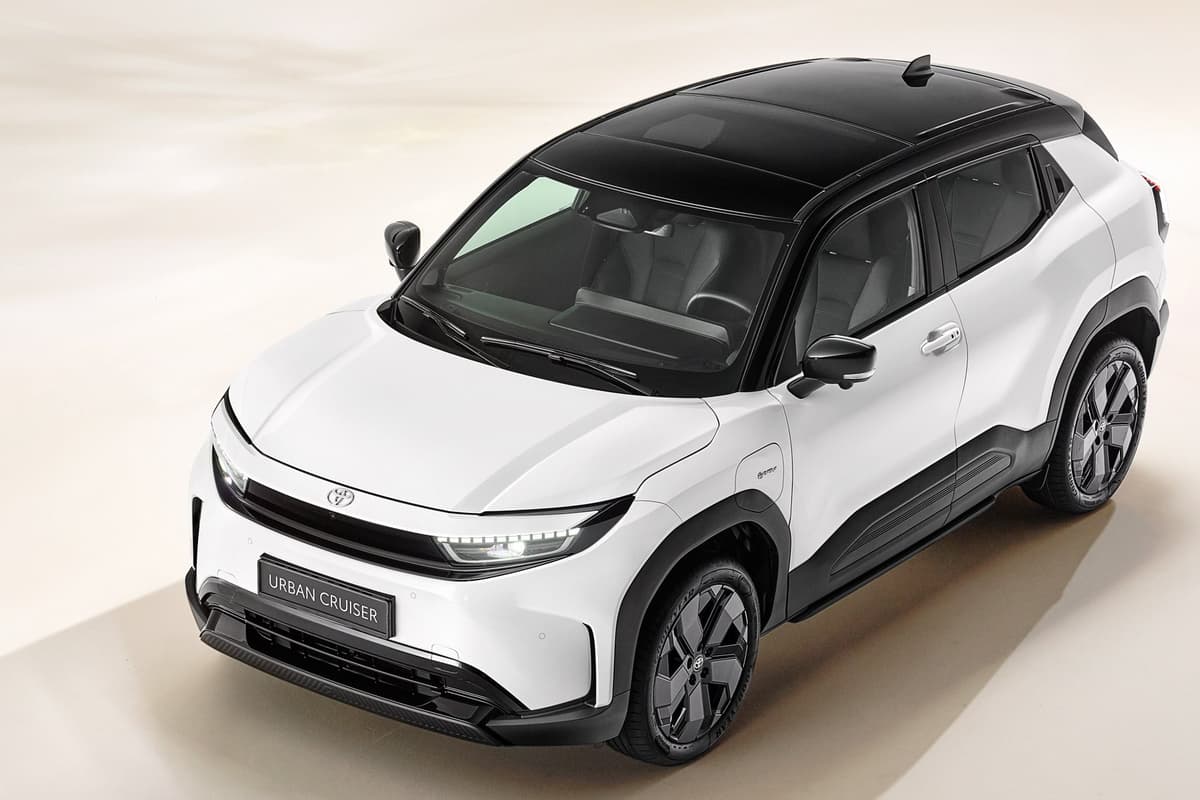
The EU’s CO₂ pooling system has become a strategic lever for automakers navigating increasingly strict emissions standards. By aggregating fleet data, high‑EV manufacturers can offset the shortfalls of legacy brands, reducing the risk of hefty fines. Toyota’s decision to go solo reflects confidence in its hybrid‑heavy lineup and expanding electric range, notably the Urban Cruiser and the best‑selling bZ4X in Denmark. This move signals that the Japanese giant believes its internal credits will suffice without the cost of pool participation, potentially freeing capital for further electrification investments.
Stellantis’s departure is more nuanced. While it missed its 2025 target by a modest margin, the group is banking on Leapmotor’s pure‑electric portfolio to supply the necessary credits. The upcoming production of Leapmotor’s T03 at Stellantis’s Spanish plant not only sidesteps tariffs but also deepens the technical collaboration, which could lower EV costs across Stellantis’s brands. However, the revival of diesel options in Europe introduces uncertainty about future fleet averages, making the Leapmotor partnership a critical hedge against regulatory penalties.
For Tesla, the loss of two major contributors could dent its ancillary revenue from CO₂ compliance, already declining as global policies shift. Yet the pool’s remaining composition—Tesla, Ford, Honda, Mazda and Suzuki—still offers a sizable credit base, especially as Ford ramps up its EV rollout. The evolving pool landscape underscores a broader industry trend: manufacturers are increasingly weighing the trade‑off between collaborative credit mechanisms and independent compliance pathways, a decision that will shape investment priorities and market positioning throughout the decade.
Toyota and Stellantis withdraw from CO₂ pool with Tesla
0
Comments
Want to join the conversation?
Loading comments...