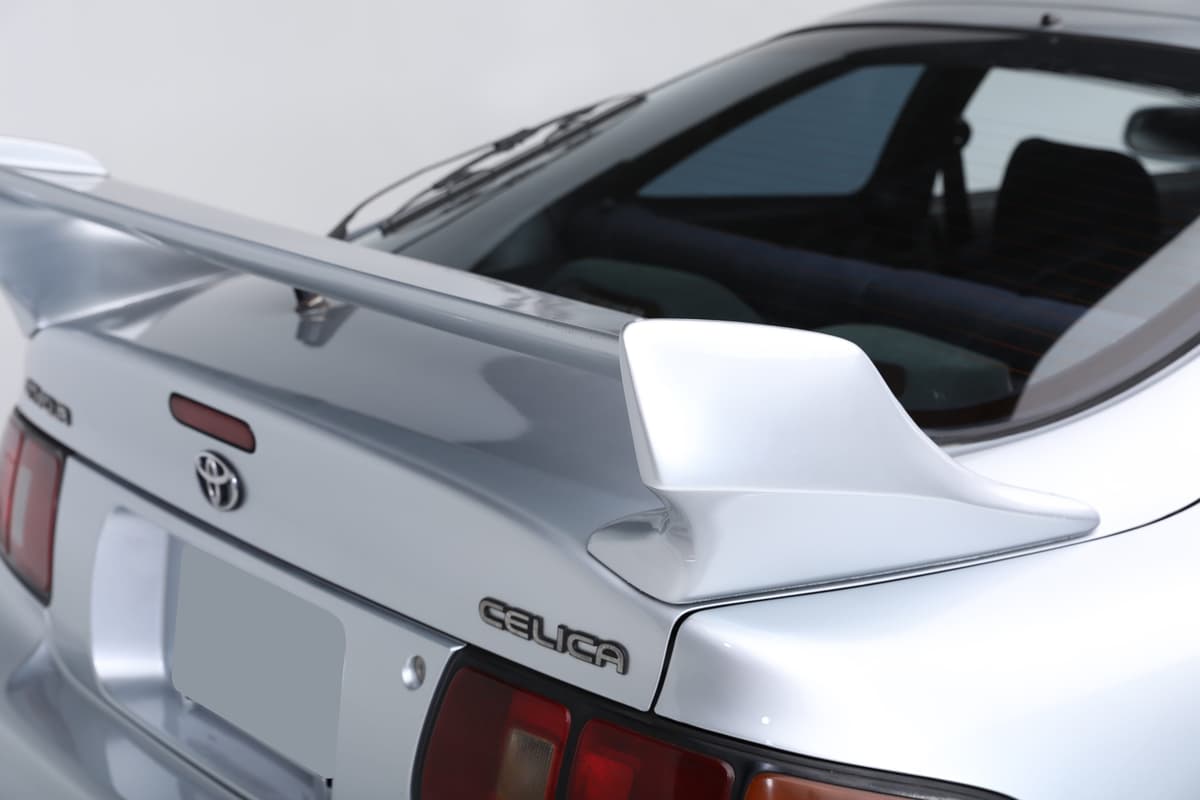
Toyota's 2027 WRC Prototype Looks Like Its Teasing a New GR Celica
•February 27, 2026
0
Why It Matters
The prototype signals Toyota’s intent to create a halo performance model that leverages rally heritage while adapting to cost‑controlled, non‑production WRC rules, strengthening the GR brand’s market relevance.
Key Takeaways
- •Toyota developing new 2027 WRC spaceframe car.
- •Prototype resembles a coupe, hinting at GR Celica.
- •New regulations allow non‑production bodywork.
- •Celica heritage includes two WRC manufacturer titles.
- •Potential road‑going GR Celica could boost brand halo.
Pulse Analysis
The 2027 WRC rulebook marks a paradigm shift for manufacturers, replacing the traditional homologation of production cars with a universal spaceframe chassis. By standardizing the safety cell, suspension geometry and power‑train components, the FIA aims to lower development costs and attract new entrants. Toyota’s Yaris‑based rally platform, which has competed since 2017, will become obsolete under the new framework, forcing the Japanese automaker to design a clean‑sheet rally car that still carries the Toyota badge. This regulatory overhaul encourages creative bodywork while maintaining a level playing field, prompting brands to rethink how they blend race and road identities.
The visual language of the prototype—wide fenders, a low roofline and aggressive rear deck—evokes the classic Celica GT‑Four, a model that secured back‑to‑back manufacturers’ championships in the mid‑1990s. Toyota’s GR division has long used motorsport success to fuel its performance‑oriented lineup, and a modern GR Celica would serve as a halo vehicle that bridges rally pedigree with street appeal. If a road‑legal version follows the rally debut, it could rejuvenate interest in the Celica nameplate, complementing existing models like the GR Supra and GR Yaris while offering a distinct, all‑wheel‑drive coupe for enthusiasts.
Beyond Toyota, the new spaceframe era reshapes the competitive landscape of global rallying. Teams can now prioritize aerodynamic efficiency and brand storytelling over costly platform adaptations, potentially widening the field to manufacturers previously deterred by homologation expenses. Consumers will see rally cars that look less like modified hatchbacks and more like bespoke performance machines, enhancing the sport’s visual allure. For Toyota, aligning a heritage‑rich silhouette with cutting‑edge regulations not only safeguards its rally relevance but also creates marketing synergies that could translate into higher showroom traffic for future GR models.
Toyota's 2027 WRC Prototype Looks Like Its Teasing a New GR Celica
0
Comments
Want to join the conversation?
Loading comments...