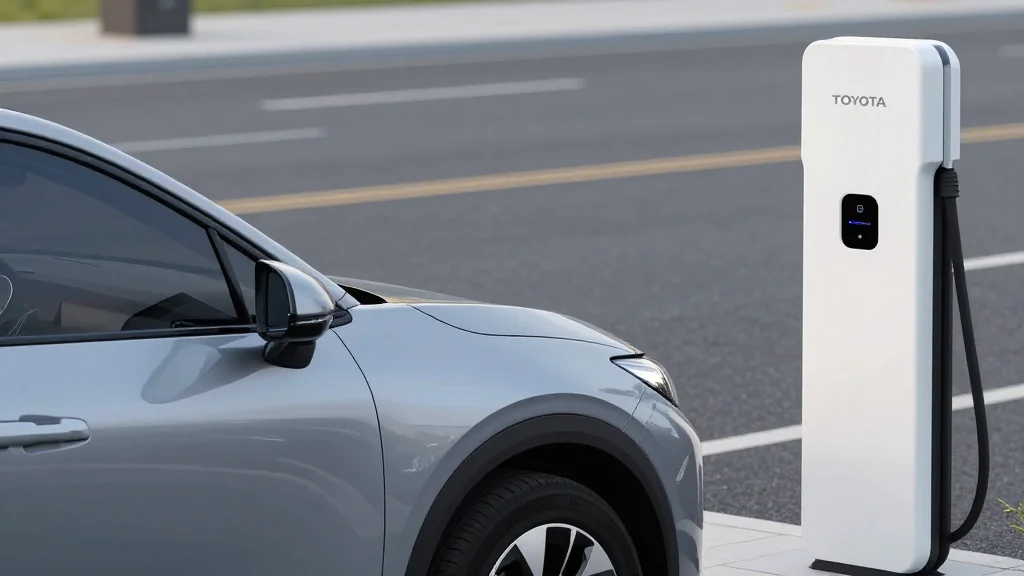
Toyota’s Electric SUV Was the Third Best-Selling EV in the US in Q1
Companies Mentioned
Why It Matters
Toyota’s surge demonstrates that established automakers can capture meaningful EV market share even as overall sales dip, signaling a shift toward affordable, incentive‑driven electric models. The trend reshapes competitive dynamics and hints at a broader rebound once pricing and policy pressures ease.
Key Takeaways
- •Toyota bZ sold 10,029 units, up 80% YoY.
- •bZ ranks third‑best‑selling EV behind Tesla Model Y and Model 3.
- •US EV sales fell 7.8% QoQ, total 216,399 units.
- •EVs captured 5.8% of all new‑vehicle sales in Q1 2026.
- •High gas prices boost consumer interest in electric models.
Pulse Analysis
Toyota’s bZ performance marks a pivotal moment for the automaker’s electrification strategy. By delivering over ten thousand units in a single quarter, the brand not only outpaced rivals like Hyundai’s IONIQ 5 and Chevrolet’s Equinox EV but also cemented its place among the top three EV sellers in the United States. The 80% YoY increase reflects both the appeal of the updated model and Toyota’s aggressive pricing and incentive program, which have resonated with cost‑conscious shoppers amid volatile fuel markets.
The broader U.S. EV landscape remains uneven. Cox Automotive reports a 7.8% quarterly decline, bringing total EV deliveries to 216,399 units and a modest 5.8% share of all new‑car sales. While legacy manufacturers such as Ford, Honda and Volkswagen grapple with double‑digit drops, a handful of brands—including Cadillac, Lexus, Rivian and Toyota—have bucked the trend. Elevated gasoline prices, now averaging $4.12 per gallon, have nudged consumers toward electric alternatives, and generous dealer incentives continue to lower the effective purchase price, softening the impact of recent policy shifts.
Looking ahead, the data suggest that affordability and model refreshes will drive the next wave of EV adoption more than regulatory mandates. As automakers expand their electric lineups and pricing pressures ease, the market share of EVs is likely to inch upward, though reaching a 10% penetration could still take several years. Toyota’s bZ success signals that traditional OEMs can compete effectively with Tesla by leveraging brand loyalty, extensive dealer networks, and strategic incentives, setting a template for others aiming to capture a slice of the growing electric market.
Toyota’s electric SUV was the third best-selling EV in the US in Q1
Comments
Want to join the conversation?
Loading comments...