Toyota's Truck Engine Recall Just Expanded
Companies Mentioned
Why It Matters
The recall underscores persistent quality challenges in Toyota’s flagship truck engine, risking buyer confidence and adding costly repairs in a highly competitive full‑size pickup market.
Key Takeaways
- •44,000 2024 Tundra trucks recalled for possible engine debris.
- •Third recall for twin‑turbo 3.4‑liter V6 since 2024.
- •Debris may damage #1 main bearing, causing catastrophic failure.
- •Toyota has already repaired 77,000 vehicles across recalls.
- •Remedy rollout will occur in phased customer notifications.
Pulse Analysis
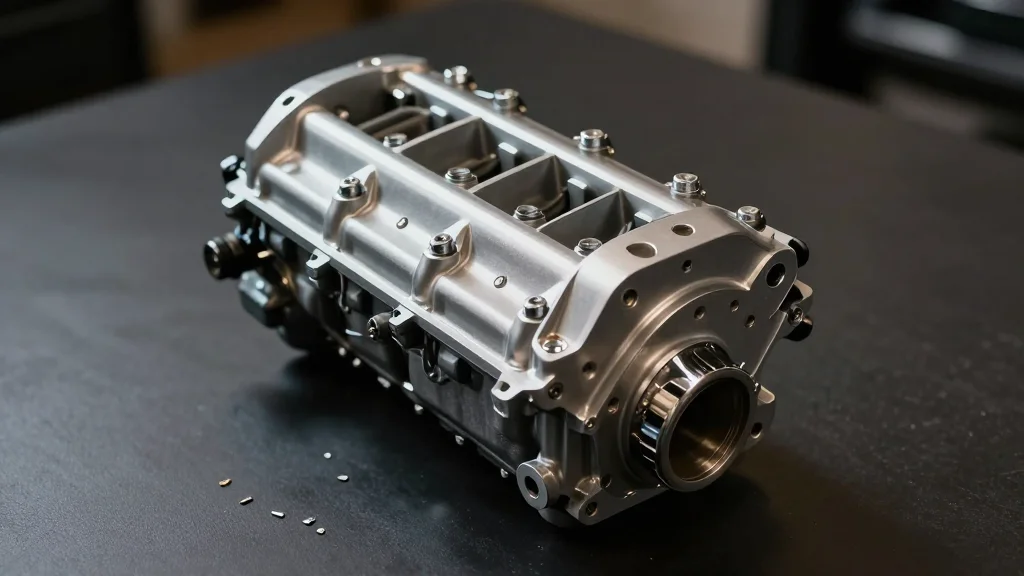
Toyota’s latest recall of 44,000 2024 Tundra pickups brings renewed scrutiny to its twin‑turbocharged 3.4‑liter V6, an engine marketed as a 3.5‑liter powerplant for its heavy‑duty trucks. While the automaker introduced additional machining‑debris controls, residual particles can still impair the #1 main bearing, a failure mode that could lead to catastrophic engine damage. The recall follows two earlier campaigns—May 2024 for 2022‑2023 Tundra and Lexus LX models, and November 2025 covering 127,000 vehicles—highlighting a pattern of manufacturing inconsistencies that Toyota must now address.
For the broader automotive industry, Toyota’s challenges illustrate the high stakes of powertrain reliability in the full‑size pickup segment, where performance and durability are key buying criteria. Competitors such as Ford and Chevrolet have leveraged their own V8 and hybrid offerings to differentiate on power and efficiency, and any perception of systemic engine flaws can erode market share. Moreover, the recall adds to the cost burden of warranty repairs and dealer labor, potentially squeezing profit margins at a time when manufacturers are navigating supply‑chain volatility and tightening emissions regulations.
Looking ahead, Toyota is likely to accelerate its engineering fixes, including the improved #1 main bearing already slated for post‑recall production. The company’s phased communication strategy aims to manage customer expectations, but lingering doubts may prompt owners of earlier‑model Tundras to seek aftermarket solutions or consider alternative brands. Continued transparency and swift remediation will be essential for restoring confidence, especially as the truck market expands with electrified options that demand flawless powertrain execution.
Toyota's Truck Engine Recall Just Expanded
Comments
Want to join the conversation?
Loading comments...