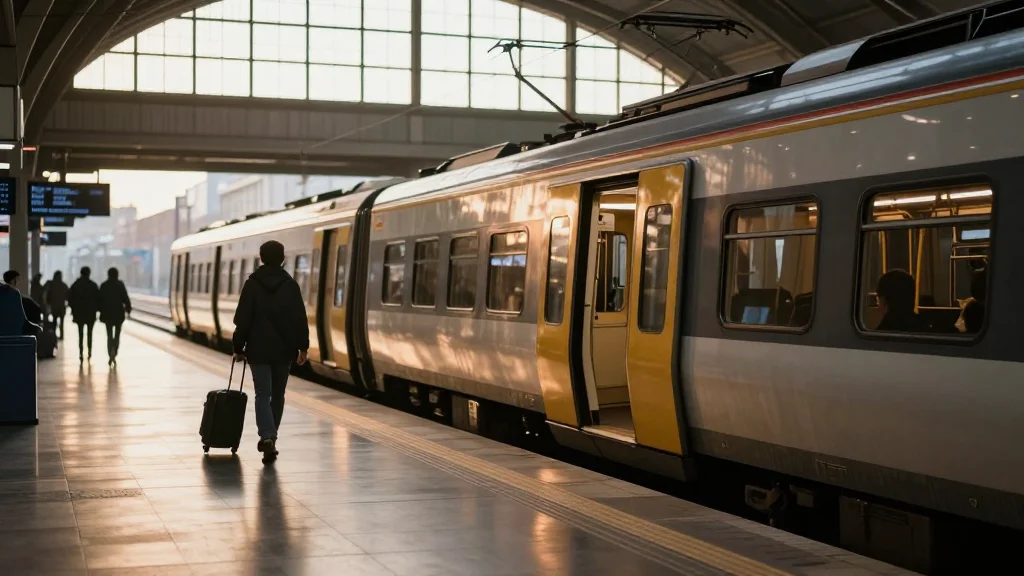
Trains Return to Long Island After Tentative Agreement
Why It Matters
Restoring LIRR service relieves a critical commuter corridor and averts broader economic disruption, while the pending labor terms could shape future fare policies and MTA budgeting.
Key Takeaways
- •Tentative deal ends five‑day LIRR strike affecting 125,000 daily riders.
- •Service resumes at noon, with full weekday schedule by 4 p.m.
- •Shuttle buses cover only 13,000 riders, roughly 5% of demand.
- •Unions sought 5% wage hike; MTA offered 3% in proposal.
- •Gov. Hochul warns any deal must avoid fare or tax increases.
Pulse Analysis
The Long Island Rail Road strike, sparked by unions demanding a 5% wage increase, halted service for over 100,000 daily commuters and strained regional mobility. The work stoppage highlighted the LIRR’s role as a backbone for Long Island’s labor market, with ripple effects on businesses, schools, and airport access. As the dispute dragged on, the MTA faced mounting pressure from state officials and the public to restore service while containing costs amid rising inflation.
The tentative agreement reached on Monday night triggered a phased service restart at noon on May 19. Hourly trains returned on the Ronkonkoma, Port Washington, Huntington, and Babylon lines, and full schedules were slated for the 4 p.m. rush. To bridge the gap, the MTA deployed six shuttle‑bus routes that moved roughly 13,000 riders—about 5% of typical morning ridership—between Suffolk County stations and key subway hubs in Queens. While the buses prevented a total collapse of commuter flow, many riders endured three‑hour journeys, underscoring the limited capacity of interim solutions.
Beyond immediate relief, the settlement carries strategic implications for the MTA’s labor‑cost structure and fare policy. Governor Hochul’s insistence that any deal avoid fare hikes or new taxes signals heightened scrutiny of public‑transport financing as living costs rise. If the final agreement leans toward the unions’ 5% raise, the agency may need to offset expenses through operational efficiencies or alternative revenue streams. The episode also serves as a cautionary tale for other transit systems about the fragility of commuter rail networks and the importance of proactive labor negotiations to safeguard service continuity.
Trains Return to Long Island After Tentative Agreement
Comments
Want to join the conversation?
Loading comments...