Transit Briefs: KC Streetcar, SEPTA, Metrolinx, BART
Companies Mentioned
Why It Matters
The projects boost ridership appeal, safety, and financial sustainability across major U.S. and Canadian transit systems, positioning them for post‑pandemic growth and major events like the 2026 FIFA World Cup.
Key Takeaways
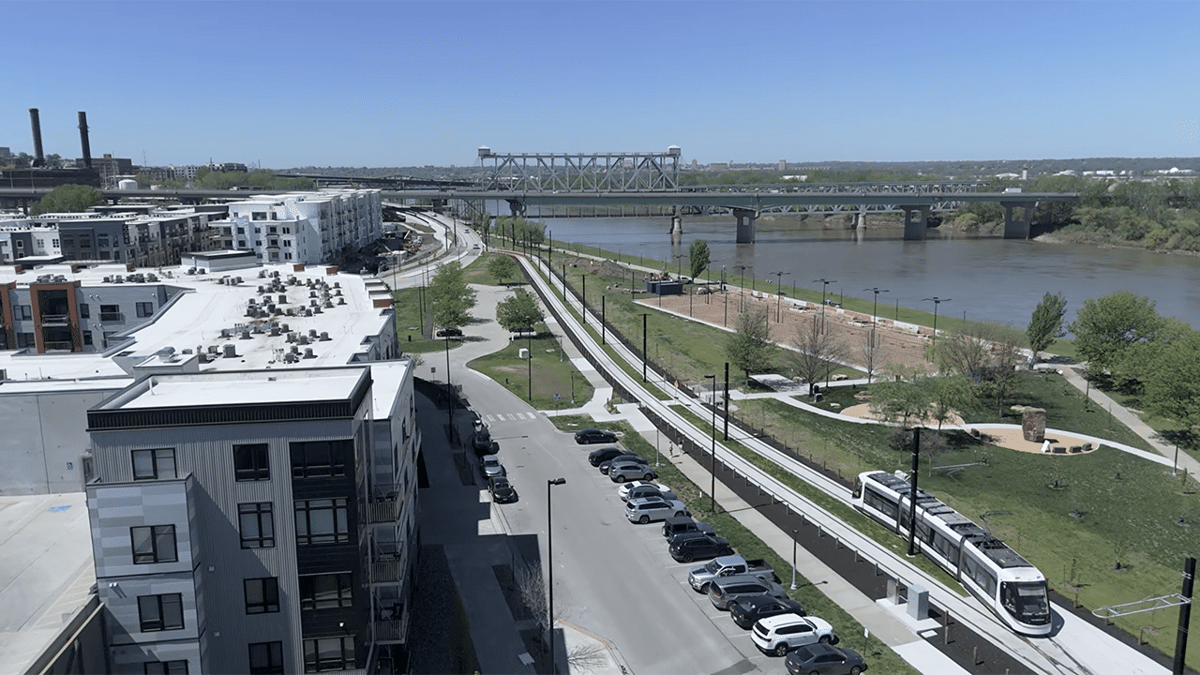
- •KC Streetcar Riverfront Extension adds 0.7 miles, opening May 18.
- •SEPTA cuts serious crime 30% YoY, adds full-height fare gates.
- •Metrolinx expands GO service to Stratford, adding daily round‑trip.
- •BART pilots advertising wraps on new Alstom railcars to boost revenue.
- •Airbnb sponsors free post‑game rides on SEPTA’s Broad Street Line.
Pulse Analysis
Kansas City’s streetcar expansion illustrates how mid‑size cities are leveraging modest capital projects to catalyze riverfront redevelopment and increase transit‑oriented density. By extending the line to the CPKC Pavilion and the new bike‑pedestrian bridge, the city creates a seamless multimodal corridor that can attract both commuters and tourists, potentially spurring private investment in the surrounding mixed‑use districts. The $62 million spend also supports local construction jobs, reinforcing the economic multiplier effect often cited in transit‑focused urban planning.
In the Northeast, SEPTA’s aggressive safety and fare‑evasion strategy demonstrates the tangible benefits of combining staffing, technology, and infrastructure upgrades. A 30% reduction in serious crimes and the rollout of full‑height fare gates at key stations improve passenger confidence, a prerequisite for higher ridership during high‑profile events like the 2026 FIFA World Cup. The partnership with Airbnb, offering complimentary rides after matches, showcases a creative public‑private model that enhances the rider experience while keeping fare structures stable. Meanwhile, Metrolinx’s heightened police presence and the launch of a daily GO service to Stratford reflect a broader push to accommodate a projected half‑million extra riders for the World Cup, emphasizing safety and regional connectivity.
BART’s test of advertising‑wrapped railcars signals a growing trend among transit agencies to diversify revenue streams beyond traditional farebox collections. As California grapples with a "fiscal cliff," agencies are exploring brand‑friendly assets such as train exteriors to attract corporate sponsors. The pilot with Alstom’s Fleet of the Future will assess durability and maintenance implications, informing whether large‑scale wrap programs can become a steady source of non‑fare income. This approach mirrors similar initiatives in Europe and Asia, where transit operators monetize visual space while maintaining service quality, offering a template for financially strained systems nationwide.
Transit Briefs: KC Streetcar, SEPTA, Metrolinx, BART
Comments
Want to join the conversation?
Loading comments...