Companies Mentioned
Why It Matters
The ridership gains validate Metro’s capital spending and signal strong demand for fast urban transit, while Brightline’s safety gains demonstrate the tangible impact of federal rail‑safety funding on reducing fatalities.
Key Takeaways
- •D Line added 8k‑10k daily riders after three new stations
- •Overall rail ridership up 9.5% YoY, highest in six years
- •Brightline safety upgrades cut trespassing accidents 30% YoY
- •FRA has upgraded 53% of targeted grade crossings on Brightline
Pulse Analysis
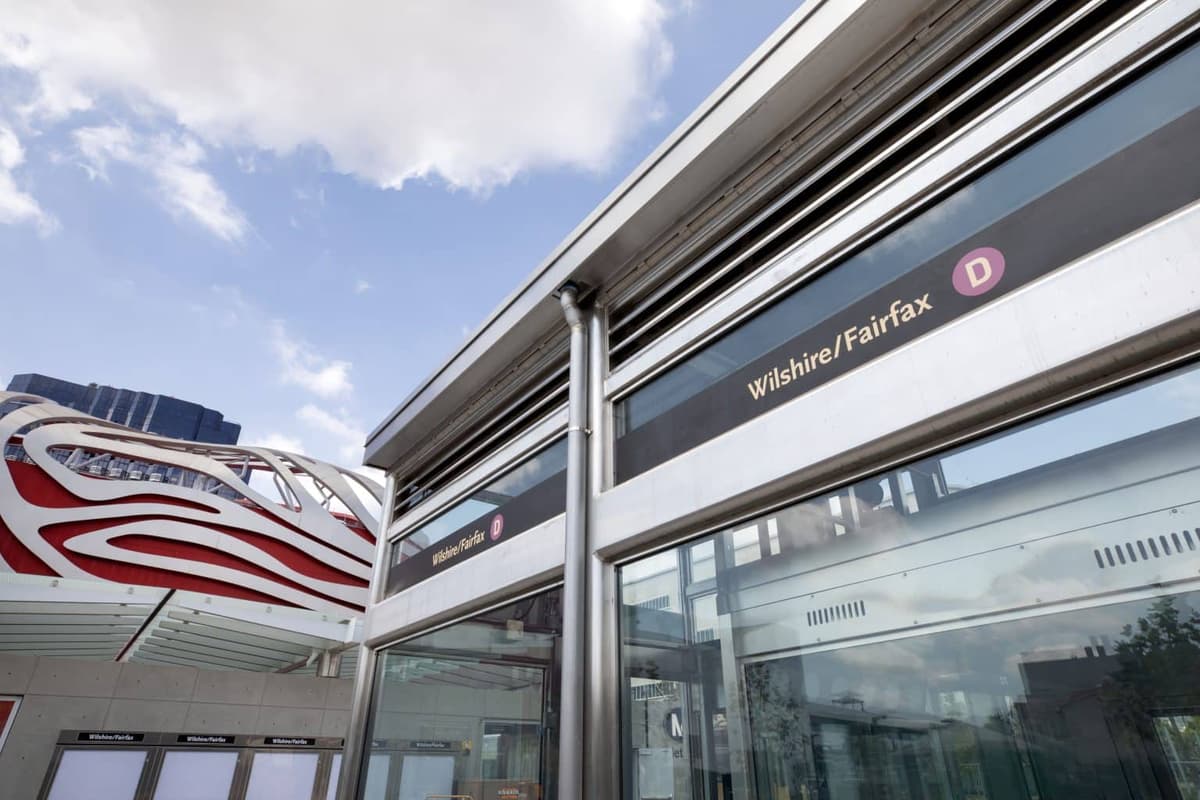
Los Angeles Metro’s recent D‑Line expansion underscores a broader resurgence in urban rail demand. By adding three strategically placed stations, the agency captured 8,000‑10,000 new daily riders, lifting overall rail usage by 9.5% and pushing weekend numbers up 18%. The surge reflects commuters’ appetite for alternatives to congested freeways, especially when travel times are halved, and it bolsters Metro’s case for continued investment in high‑capacity, reliable transit corridors.
On the safety front, the U.S. Department of Transportation’s $25 million injection into Brightline Florida has produced measurable results. Upgrades to 327 highway‑rail grade crossings—including fencing, dynamic envelopes, and clear signage—have already reduced trespassing incidents and train‑vehicle collisions by 30% year‑over‑year. With the Federal Railroad Administration contributing an additional $42 million and completing more than half of the planned crossing improvements, the project illustrates how targeted federal funding can swiftly mitigate the leading cause of rail‑related deaths in the United States.
Together, these developments highlight a national trend: strategic capital spending in rail infrastructure yields both ridership growth and safety enhancements. Cities like Los Angeles are leveraging new stations to capture latent demand, while intercity corridors such as Brightline are proving that safety upgrades can be deployed efficiently at scale. Policymakers and investors are likely to view these outcomes as a blueprint for future rail projects, reinforcing the argument that well‑funded rail networks deliver economic, environmental, and public‑health dividends.
Transit Briefs: LA Metro, USDOT
Comments
Want to join the conversation?
Loading comments...