Companies Mentioned
Why It Matters
MARTA’s app enhances rider experience and operational efficiency, positioning the agency as a tech‑forward transit provider, while OCTA’s budget underscores sustained public investment in transit infrastructure and SacRT’s youth fare‑free program demonstrates how equitable mobility can boost community outcomes and set a model for other regions.
Key Takeaways
- •MARTA app adds real‑time tracking and multi‑language support
- •OCTA budget allocates $2 billion, with 52% for transit
- •RydeFreeRT cards give Sacramento youth fare‑free rides through 2027
- •MARTA plans future integration with Breeze app for unified accounts
- •SacRT aims for sustainable funding to keep RydeFreeRT program alive
Pulse Analysis
MARTA’s new mobile app marks a decisive step in the digital transformation of American transit agencies. Leveraging GTFS real‑time feeds and the open‑source Open Trip Planner, the platform delivers live bus and train locations, predictive arrival times, and personalized trip planning—all within a multilingual, accessibility‑first interface. By folding the legacy “See & Say” incident‑reporting tool into the same app, MARTA streamlines safety communications and reduces operational friction, a move that mirrors broader industry pushes toward integrated, data‑driven rider services. The app also syncs with MARTA’s upcoming Breeze account system, promising a seamless omnichannel experience.
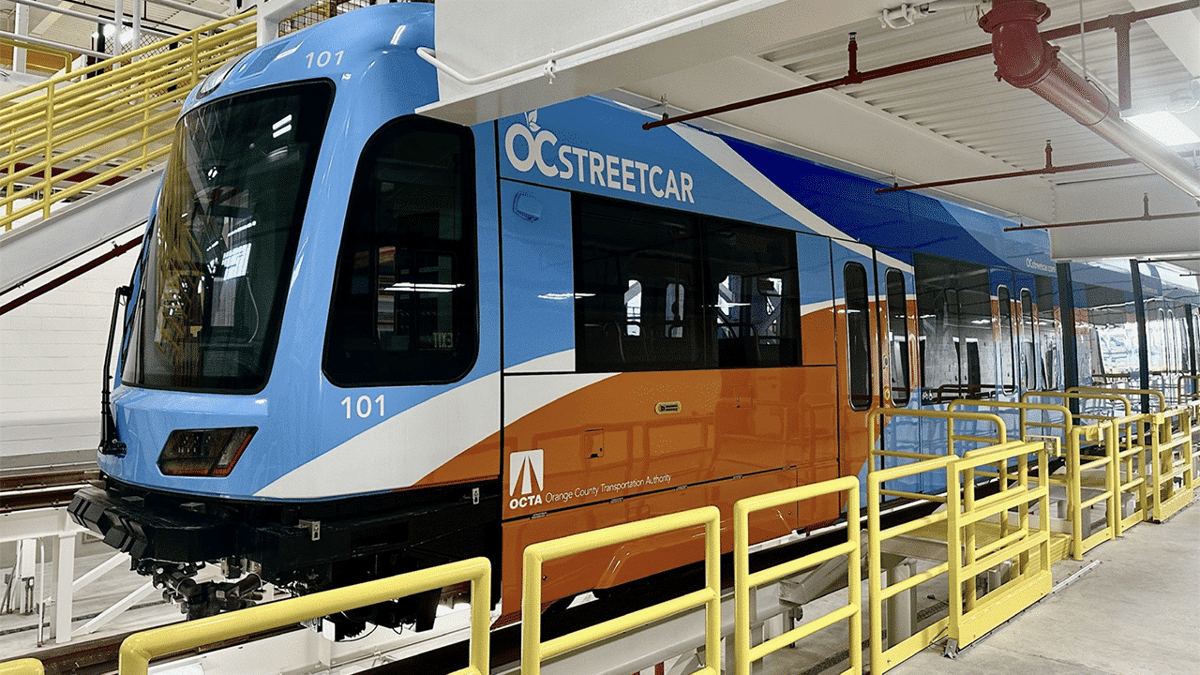
The Orange County Transportation Authority’s FY 2026‑27 budget, approved at roughly $2 billion, earmarks more than half of its resources for transit—a clear signal that regional voters’ Measure M tax continues to drive multimodal investment. About $300 million is slated for rail upgrades, supporting both OC Bus and Metrolink operations, while the remaining funds target freeway, street and road projects that complement the transit network. This balanced allocation reflects a growing consensus that sustainable mobility requires simultaneous enhancements to both public‑transport and supporting infrastructure.
Sacramento’s RydeFreeRT initiative extends fare‑free transit to K‑12 students through June 2027, building on a program that logged more than five million youth rides in FY 2025. By removing cost barriers, the scheme improves school attendance, access to jobs and after‑school activities, and serves vulnerable populations such as homeless or foster youth. The board’s push for a long‑term funding model highlights a national trend where municipalities view free youth mobility as an investment in equity and future workforce development, prompting other agencies to explore similar fare‑free pilots.
Transit Briefs: MARTA, OCTA, SacRT
Comments
Want to join the conversation?
Loading comments...