Transit Briefs: Sound Transit, Metra
Companies Mentioned
Why It Matters
The Sound Transit redesign keeps a critical expansion financially viable while preserving regional mobility goals, and Metra’s new labor pact secures workforce stability, supporting reliable service for millions of riders.
Key Takeaways
- •Sound Transit cuts Avalon Station, saving $2 billion on West Seattle extension
- •Revised cost $4.9‑$5.3 billion; construction planned 2027‑2032
- •Metra engineers approve seven‑year deal with 35.42% wage increase
- •Agreement adds Juneteenth holiday and updates seniority, scheduling rules
Pulse Analysis
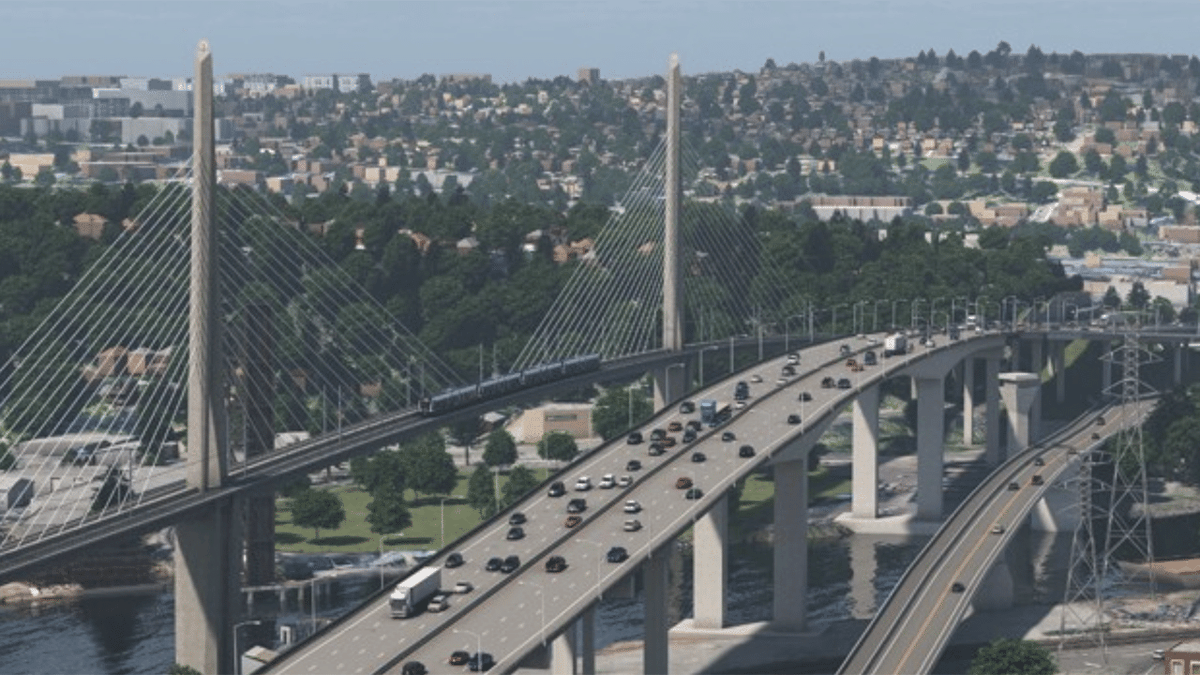
Sound Transit’s West Seattle Link Extension has undergone a strategic redesign that removes the proposed Avalon Station, a move projected to shave more than $2 billion from the project’s budget. By consolidating the alignment into a deeper tunnel and focusing on stations at SODO, Delridge, and Alaska Junction, the agency aligns the $4.9‑$5.3 billion cost estimate with the broader ST3 financial plan, which seeks to close a $34.5 billion funding gap over two decades. This cost‑saving approach not only eases fiscal pressure but also minimizes surface disruption, a key concern for the densely populated neighborhoods along the route.
The project now transitions from planning to final design, with Jacobs selected to lead engineering efforts. Early‑work activities, such as a 250‑foot‑deep test shaft on Harbor Island, will inform the design of the Duwamish River bridge, a critical component for the light‑rail corridor. The Federal Transit Administration’s recent Record of Decision clears the path for detailed engineering, community outreach on station design, and phased property acquisitions. With construction slated between 2027 and 2032, the extension promises to enhance connectivity across Seattle’s west side, supporting transit‑oriented development and reducing car dependency.
In Chicago, the Brotherhood of Locomotive Engineers and Trainmen secured a seven‑year contract for Metra’s locomotive engineers, delivering a 35.42% compounded wage increase through 2032 and adding Juneteenth to the holiday roster. The agreement modernizes compensation structures, seniority protections, and scheduling rules, aiming to stabilize operations across Metra’s six‑county network of 243 stations. By strengthening labor relations, Metra positions itself to maintain reliable commuter service, a vital component of the region’s transportation ecosystem, while setting a benchmark for transit labor negotiations nationwide.
Transit Briefs: Sound Transit, Metra
Comments
Want to join the conversation?
Loading comments...