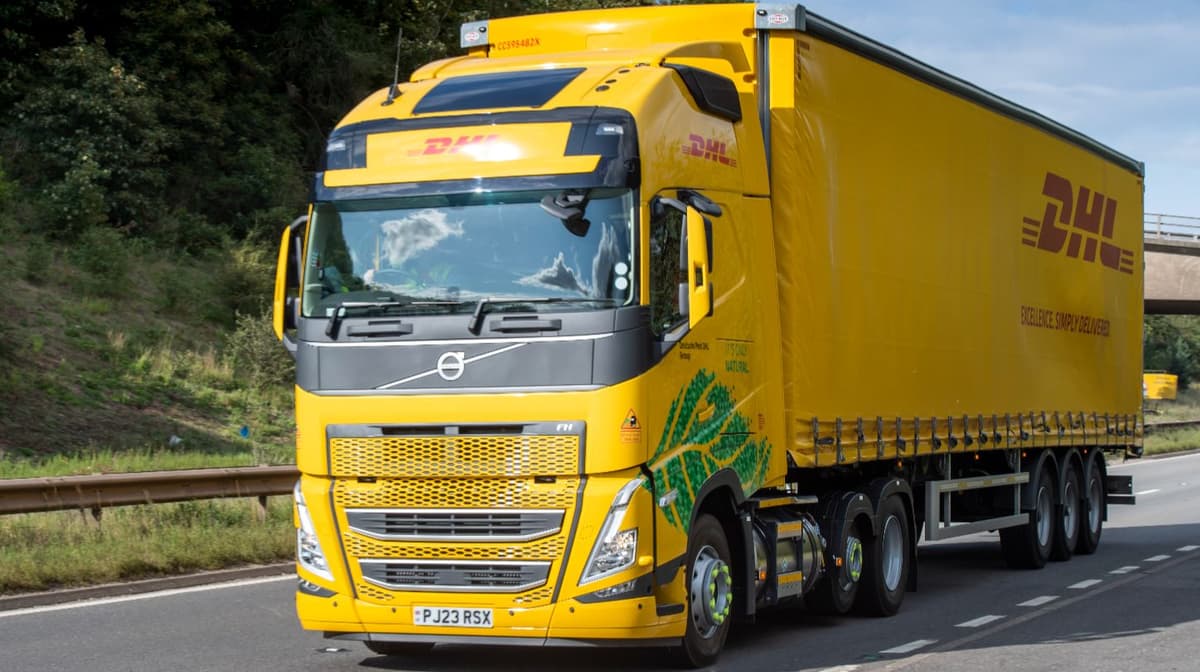
TransiT Simulates Zero Carbon Transport Scenarios for the M1
Companies Mentioned
Why It Matters
The study provides actionable insights for logistics firms and policymakers on where to place charging infrastructure and how to optimise fleet operations, accelerating the UK’s zero‑emission transport targets.
Key Takeaways
- •TransiT conducts UK's first ABM simulation of M1 freight routes
- •DHL contributes data from its 6,500‑vehicle UK fleet
- •Models pinpoint optimal charging sites and ideal zero‑emission fleet mix
- •Agent scores favor shorter, lower‑cost routes, cutting emissions
- •Results inform policymakers on infrastructure investment for sustainable logistics
Pulse Analysis
Digital twins are reshaping how transport networks are planned, and TransiT’s latest effort showcases that shift. By recreating the M1 corridor in a virtual environment, researchers can test countless scenarios without disrupting real‑world traffic. The partnership brings together academic expertise from Heriot‑Watt and Cranfield with industry data from DHL, whose extensive UK fleet supplies the granular vehicle‑movement records needed for high‑fidelity modelling. This blend of theory and real‑world input allows the agent‑based model to mimic individual driver decisions, vehicle performance and charging behaviour, delivering a nuanced picture of future freight flows.
The core of the simulation is agent‑based modelling, where each truck acts as an autonomous agent seeking the highest score based on travel time, cost and emissions. The model evaluates trade‑offs such as charging at a depot before departure versus en‑route at service stations, and it tests different mixes of battery‑electric and hybrid vehicles. Early outputs highlight specific points along the M1 where fast‑charging stations would yield the greatest system‑wide benefit, as well as optimal speed profiles that minimise energy use without sacrificing delivery windows. By quantifying these variables, the research provides logistics operators with a data‑driven roadmap to transition fleets while preserving profitability.
For the broader industry and UK policy agenda, the implications are significant. The ability to pinpoint infrastructure needs reduces the risk of over‑building or under‑servicing charging networks, aligning capital spend with actual demand. Moreover, the methodology can be replicated across other corridors, creating a scalable framework for national decarbonisation planning. As regulators tighten emissions standards and customers demand greener supply chains, insights from TransiT’s simulation give early adopters a competitive edge and help shape evidence‑based transport policy that balances environmental goals with economic realities.
TransiT simulates zero carbon transport scenarios for the M1
Comments
Want to join the conversation?
Loading comments...