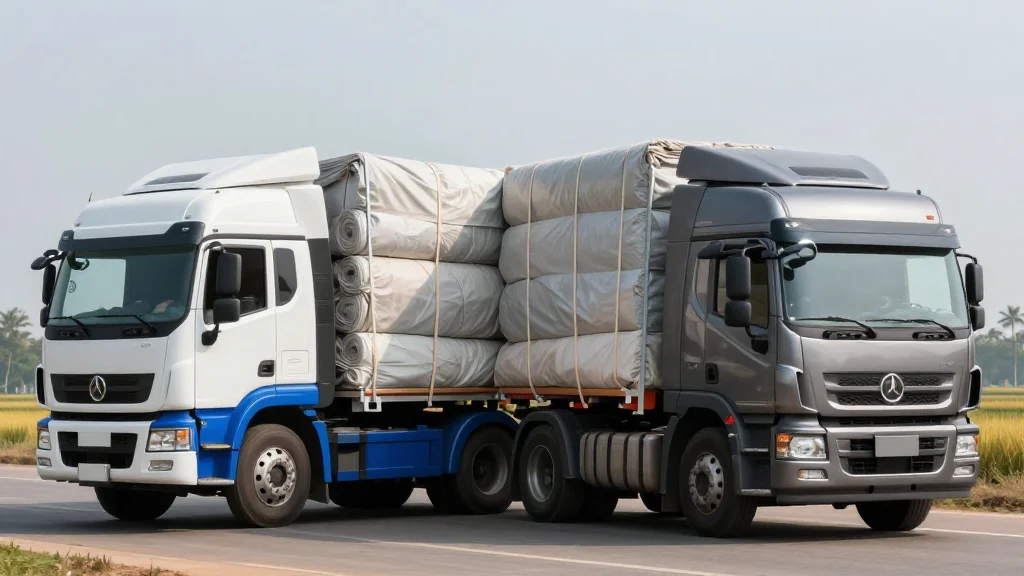
Transport Costs Jump 20% in Cambodia Clothing, Textile Sector Due to Oil Crisis
Why It Matters
Higher logistics costs erode the competitiveness of Cambodia’s apparel exports, potentially shifting orders to lower‑cost regions and prompting a strategic shift toward greener, more resilient supply chains.
Key Takeaways
- •Diesel price surge lifts transport expenses by 20% for garment makers
- •Export margins could shrink up to 5% if costs aren't offset
- •Manufacturers consider electric trucks and rail to curb fuel dependence
- •Global buyers may face higher garment prices and seek alternative suppliers
Pulse Analysis
The sudden spike in diesel prices stems from a broader oil crisis that began in early 2026 when supply disruptions in the Gulf region tightened global fuel markets. Cambodia, which imports more than 90% of its diesel, saw wholesale rates climb by roughly 20% within weeks. Because the country’s apparel factories rely almost exclusively on diesel‑powered trucks for inbound raw materials and outbound shipments, the cost shock has rippled through every stage of production. Analysts warn that such volatility could linger as geopolitical tensions persist.
The 20% transport cost increase directly squeezes profit margins for Cambodia’s clothing and textile exporters, many of which operate on thin spreads of 3‑5%. If manufacturers absorb the extra expense, unit costs could rise by up to five percent, prompting buyers in Europe and the United States to renegotiate pricing or shift orders to lower‑cost hubs such as Vietnam or Bangladesh. Some firms have already begun to pass a portion of the surcharge onto downstream customers, risking a price‑sensitive market where brand loyalty is limited.
To mitigate the fuel shock, manufacturers are evaluating electric trucks, solar‑powered warehouses, and a modest shift toward rail corridors that connect Phnom Penh to the Sihanoukville port. The Cambodian government has announced incentives for clean‑energy logistics, including tax breaks on battery‑electric vehicles and subsidies for rail upgrades. While these measures will not offset the immediate cost surge, they could reduce long‑term dependence on imported diesel and improve the sector’s resilience. Investors are watching closely, as a more sustainable supply chain may become a competitive differentiator in the global apparel market.
Transport costs jump 20% in Cambodia clothing, textile sector due to oil crisis
Comments
Want to join the conversation?
Loading comments...