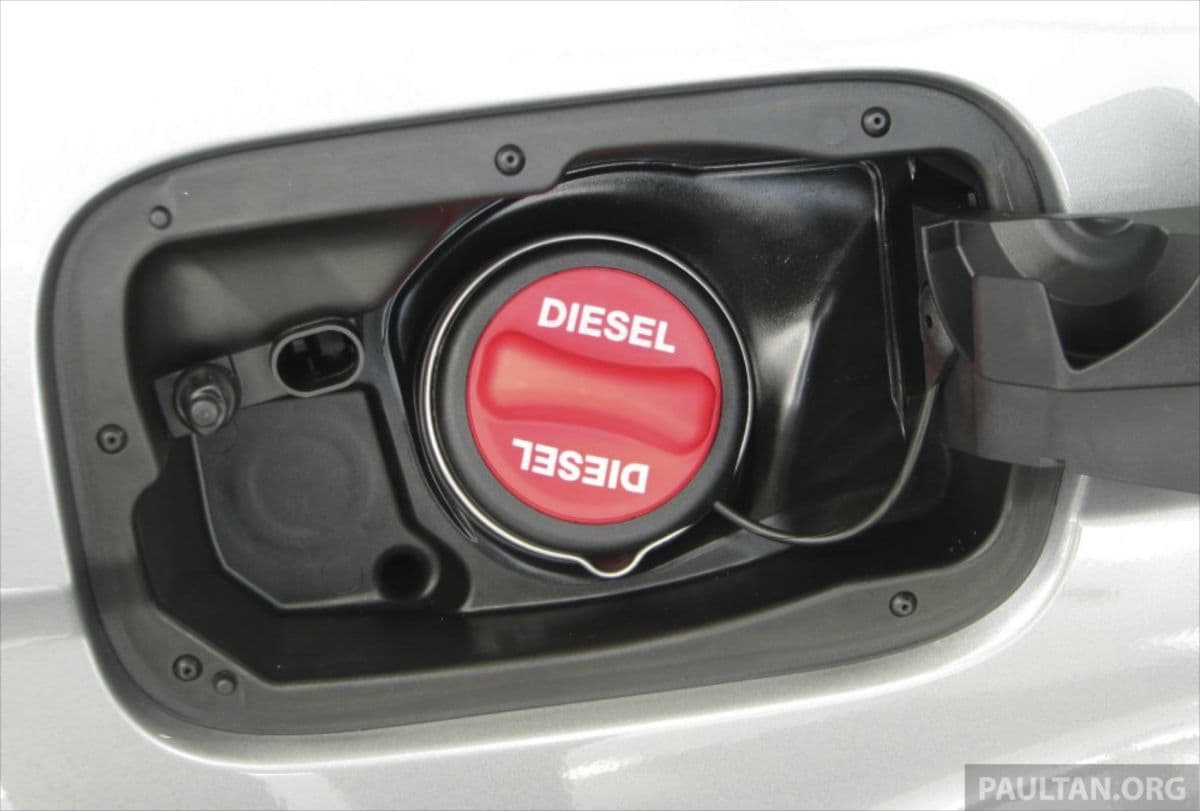
Transport Ministry Reviewing Proposal to Reduce Road Tax for Diesel Vehicles to Ease Financial Burden – Loke
Why It Matters
Reducing diesel road tax could lower operating costs for logistics firms and small businesses, while preserving fiscal stability amid heavy fuel‑subsidy outlays. The decision will signal how Malaysia balances economic relief with budgetary discipline.
Key Takeaways
- •RM7 billion monthly fuel subsidies ≈ $1.5 billion USD
- •Proposal targets diesel owners lacking current subsidies
- •Tax cut could boost logistics sector profitability
- •MyKad system eyed for precise diesel subsidy delivery
Pulse Analysis
Malaysia’s transport ministry is weighing a diesel road‑tax cut as fuel prices climb and businesses feel the pinch. The country’s fuel‑subsidy program, which costs about RM7 billion a month (roughly $1.5 billion USD), has become a fiscal strain, prompting Prime Minister Anwar Ibrahim to explore indirect relief measures. By lowering road tax for diesel vehicles, the government hopes to offset higher fuel costs without expanding the already heavy subsidy bill, a strategy that aligns with broader fiscal consolidation efforts across the region.
Policy analysts note that the proposal is part of a larger shift toward targeted subsidies. The Malaysian Institute of Economic Research has suggested phasing out RON 95 petrol subsidies and reallocating savings to diesel, while the MyKad identification system could enable precise, leakage‑free diesel subsidies. Such mechanisms would allow the government to support businesses that rely heavily on diesel—particularly transport and logistics firms—without inflating the overall subsidy pool. This nuanced approach reflects a growing trend in emerging markets to use digital identity tools for more efficient social spending.
The potential tax reduction carries both revenue and market implications. While a lower road tax could improve cash flow for fleet operators and reduce freight costs, it also risks eroding a steady source of government income. Moreover, the policy could influence vehicle purchasing decisions, encouraging a shift toward diesel or hybrid models if tax differentials become significant. Environmental groups may also scrutinize the move, given diesel’s higher emissions profile. Ultimately, the ministry’s balanced assessment will shape Malaysia’s fiscal health, competitive logistics sector, and its broader energy transition roadmap.
Transport ministry reviewing proposal to reduce road tax for diesel vehicles to ease financial burden – Loke
Comments
Want to join the conversation?
Loading comments...