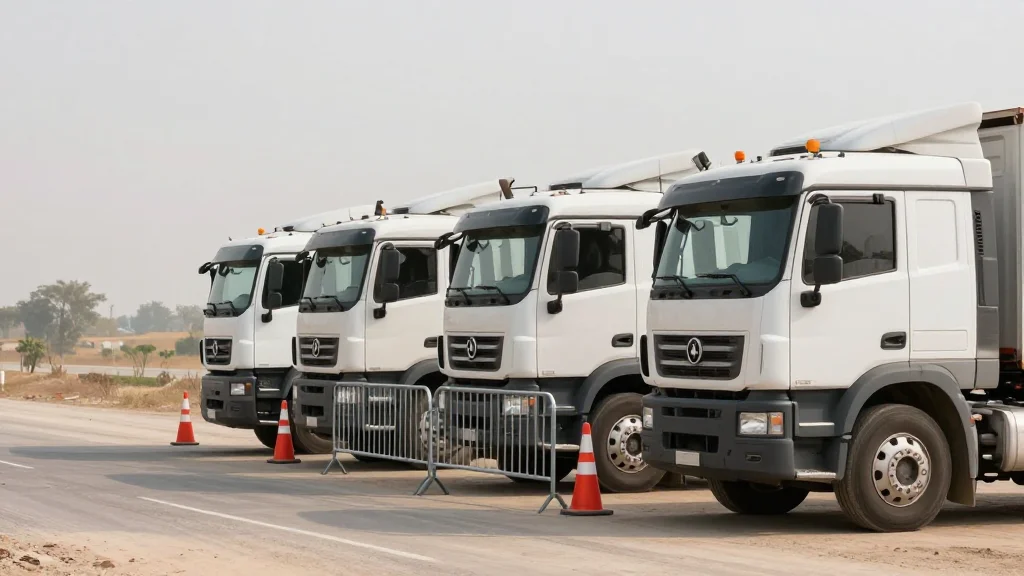
Transporters' Strike Disrupts Supply Chain in Sonipat Dist
Why It Matters
The strike underscores how abrupt regulatory shifts can destabilize a cost‑sensitive logistics sector, threatening timely goods delivery across a major economic hub. It signals potential ripple effects for manufacturers and retailers dependent on the NCR’s transport network.
Key Takeaways
- •Transporters' strike halted freight movement in Sonipat for three days
- •New ECC and BS‑4 bans target older trucks, increasing costs
- •Drivers face rising diesel prices, taxes, and loan repayment pressures
- •Union warns strike may expand if regulations remain unchanged
- •Disruption threatens supply chain reliability across the Delhi NCR region
Pulse Analysis
The Delhi National Capital Region’s transport ecosystem has long balanced rapid growth with aging infrastructure. Recent policy moves—environment compensation charges and a phased ban on BS‑4 diesel trucks—aim to curb emissions but inadvertently strain operators still dependent on legacy fleets. For small carriers, the added fees and mandatory vehicle upgrades translate into higher per‑kilometer costs, squeezing margins already eroded by volatile diesel prices and mounting tax burdens. This regulatory friction manifested in a three‑day strike that left Sonipat’s logistics corridors eerily quiet, highlighting the sector’s sensitivity to policy shocks.
Beyond the immediate gridlock, the strike reverberates through supply chains that feed northern India’s manufacturing and retail sectors. Delayed deliveries raise inventory holding costs, force production rescheduling, and can trigger stockouts for time‑critical goods. Small and medium‑sized enterprises, which lack the buffer of large logistics firms, face amplified risk as they scramble for alternative transport or pay premium rates for compliant vehicles. The episode thus serves as a cautionary tale for policymakers: environmental objectives must be paired with transition support to avoid cascading economic disruptions.
Looking ahead, stakeholders are likely to push for a phased implementation timeline, financial incentives for fleet modernization, and clearer guidelines on ECC calculations. Such measures could ease the burden on small transporters while preserving the environmental agenda. For investors and industry observers, the strike signals a pivotal moment where regulatory intent, operational reality, and market resilience intersect, shaping the future competitiveness of India’s logistics landscape.
Transporters' strike disrupts supply chain in Sonipat dist
Comments
Want to join the conversation?
Loading comments...