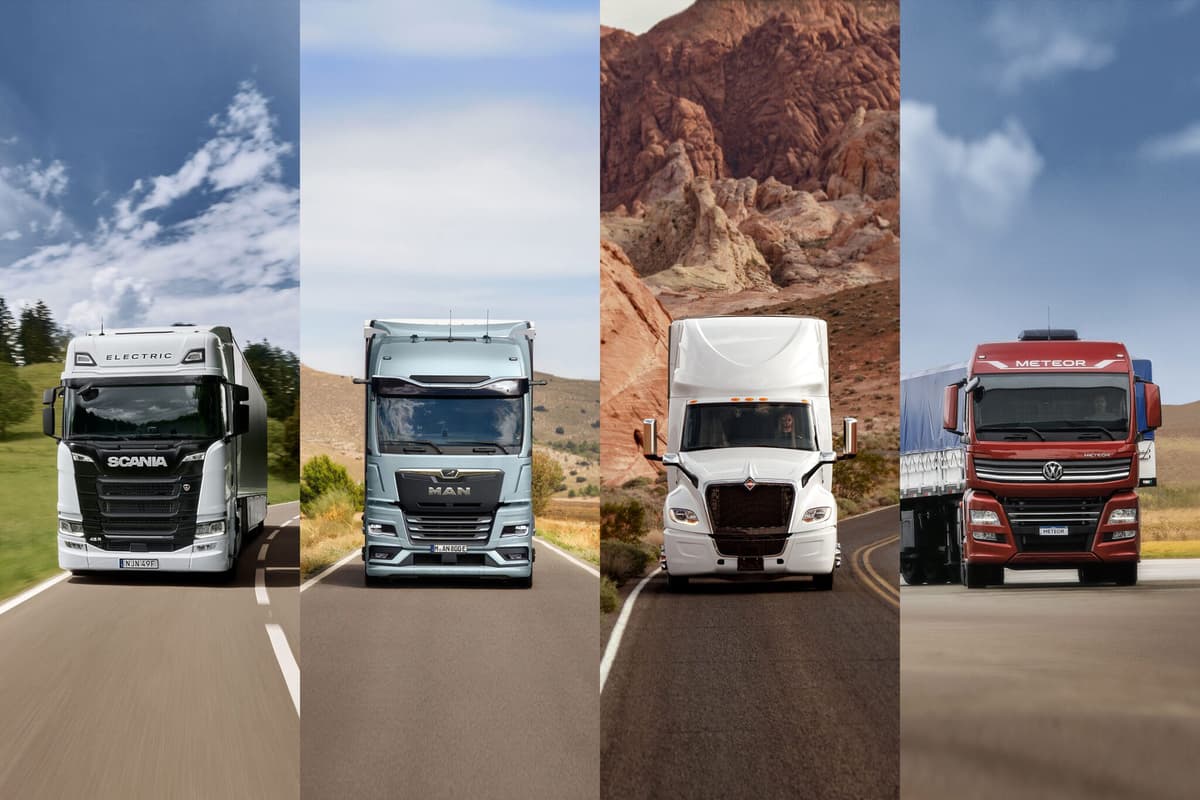
Traton: Performance and Production Forecast to 2030
Why It Matters
The forecast signals Traton’s aggressive pivot toward electrification and autonomous technology, reshaping competitive dynamics in the global commercial‑vehicle market. Investors and suppliers can gauge long‑term demand and capacity needs across the group’s brands.
Key Takeaways
- •Traton forecasts 4.5 million vehicles annually by 2030
- •Electric trucks projected to represent 30% of output
- •Revenue growth expected at 6% CAGR through 2030
- •Strategic shift toward autonomous tech highlighted
- •Production capacity to expand in Europe and North America
Pulse Analysis
Traton, the parent of Mercedes‑Benz Trucks, MAN, and Scania, commands a sizable share of the heavy‑duty market in Europe and is expanding its footprint in North America. The new Automotive World analysis places the group’s 2026 revenue at roughly $45 billion, with a projected compound annual growth rate of 6% through 2030. This growth is anchored in a diversified product mix that now includes a robust electric‑truck portfolio, reflecting broader regulatory pressure and customer demand for zero‑emission logistics solutions.
The forecast outlines a gradual ramp‑up to 4.5 million units per year by the end of the decade, up from 3.2 million in 2023. Electric models are expected to account for 30% of that volume, driven by the rollout of the eActros, eTGM, and upcoming Scania electric platforms. To support this shift, Traton plans to add 150,000 new production slots across its European plants and a new assembly line in the United States, emphasizing modular manufacturing that can accommodate both internal‑combustion and battery‑electric powertrains.
For the industry, Traton’s outlook underscores a decisive move toward electrified commercial vehicles and hints at intensified competition with rivals such as Volvo Group and Daimler Truck. Suppliers will need to adapt to higher demand for battery components, power electronics, and autonomous‑driving hardware. Meanwhile, investors can use the granular brand‑level data to assess which segments are likely to deliver the strongest margins, especially as regulatory incentives accelerate the adoption of low‑emission freight solutions.
Traton: performance and production forecast to 2030
Comments
Want to join the conversation?
Loading comments...