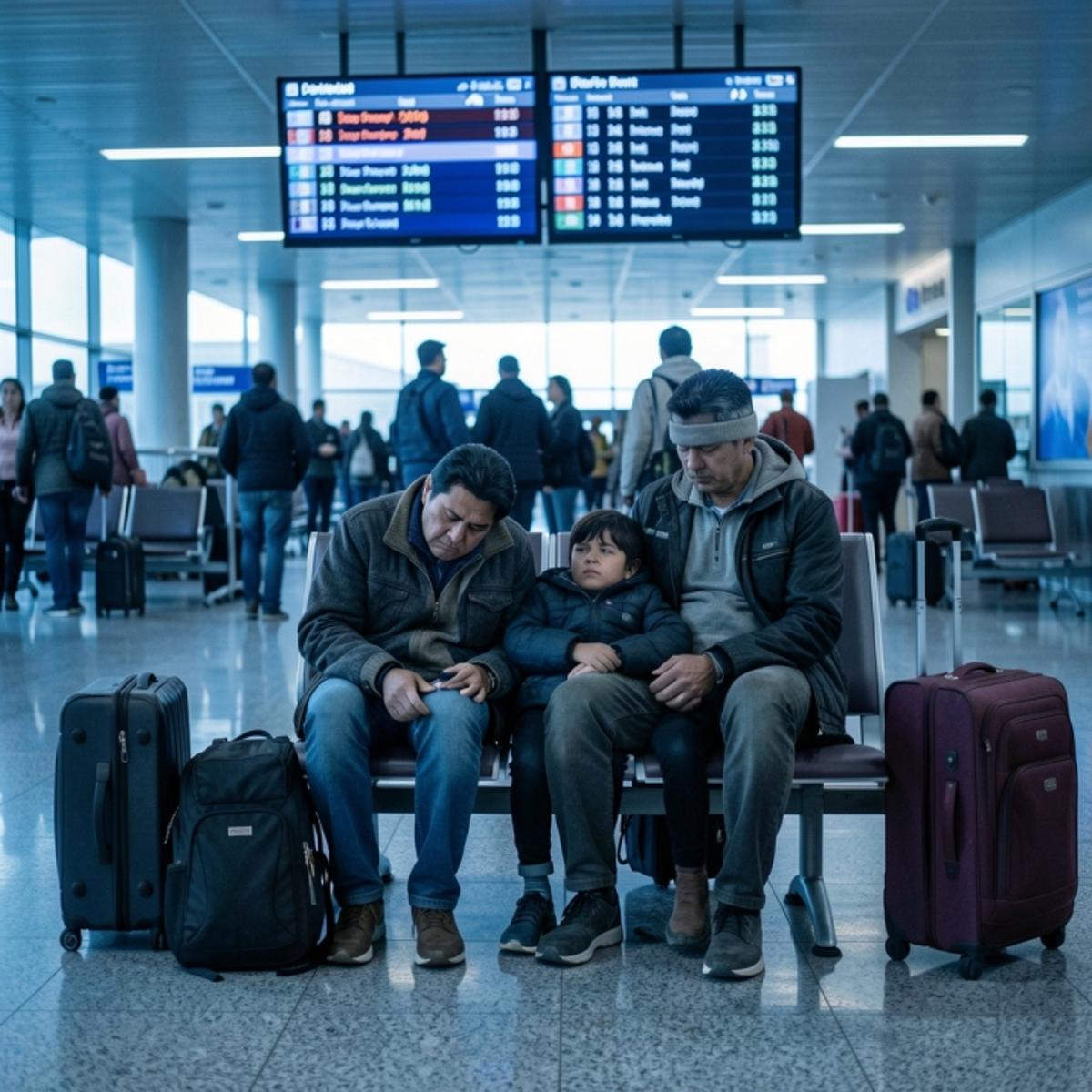
Travel Disruption Hit Peru as Airports in Callao and Arequipa Face Over a Dozen Flight Cancellations and Several Delays by LATAM Peru, Sky Airline, Air Canada and Others, New Update
•February 26, 2026
0
Why It Matters
The delays undermine Peru’s position as a key South‑American travel gateway, threatening tourism revenue and eroding passenger confidence in airline reliability.
Key Takeaways
- •Jorge Chávez saw 13 cancellations, 42 delays today
- •LATAM Peru accounted for most disruptions in both airports
- •Over 48 delays and 16 cancellations reported across Peru
- •Tourism operators risk revenue loss from stranded travelers
- •Passengers should monitor flights, claim compensation per Peru regulations
Pulse Analysis
Operational hiccups at Peru’s two major airports underscore the fragility of the country’s air transport network. Jorge Chávez International, the nation’s primary international gateway, often grapples with weather volatility, staffing shortages, and air‑traffic‑control constraints that can cascade into widespread delays. In Arequipa, the smaller but strategically vital Rodriguez Ballon International serves as the southern conduit for tourists heading to the Colca Canyon and the White City; any interruption there reverberates through regional travel itineraries. The current surge of 13 cancellations and 42 delays in Callao, coupled with multiple setbacks in Arequipa, suggests a confluence of operational pressures that airlines must manage swiftly to preserve schedule integrity.
Airlines feel the brunt of these disruptions, with LATAM Peru shouldering the majority of cancellations and delays across both hubs. Low‑cost carriers such as Sky Airline and legacy operators like Air Canada also reported setbacks, indicating that the issue transcends a single market segment. For travelers aiming to connect to Cusco, the Amazon basin, or the southern circuit, missed flights translate into lost hotel bookings, tour reservations, and ancillary spending, directly denting Peru’s tourism‑driven economy. Moreover, the ripple effect can strain airline capacity on subsequent days, forcing reshuffles that affect downstream routes throughout South America.
For passengers, the immediate priority is real‑time communication and understanding of their rights under Peruvian aviation regulations, which may entitle them to meals, vouchers, or compensation depending on delay length and cause. Digital tools—mobile apps, airline portals, and flight‑tracking services—are essential for rapid rebooking and claim filing. In the longer term, the episode highlights the need for infrastructure upgrades, enhanced staffing protocols, and more robust contingency planning to safeguard Peru’s reputation as a reliable travel destination. Airlines that invest in proactive passenger outreach and flexible rebooking options will likely retain loyalty amid such operational turbulence.
Travel Disruption Hit Peru as Airports in Callao and Arequipa Face Over a Dozen Flight Cancellations and Several Delays by LATAM Peru, Sky Airline, Air Canada and others, New Update
0
Comments
Want to join the conversation?
Loading comments...