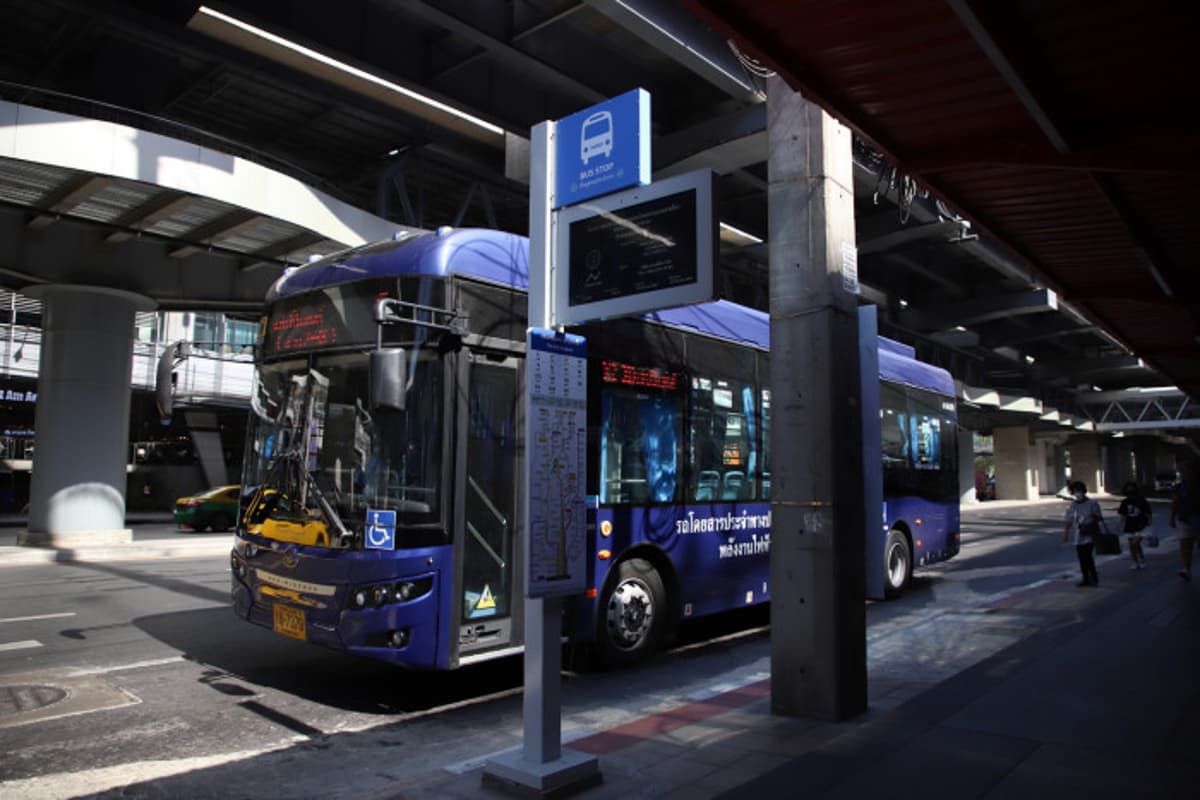
Travel Restrictions Hit Tour Buses
Why It Matters
The stalled demand and inadequate subsidy threaten Thailand’s domestic tourism engine and the livelihoods of thousands of small‑scale bus operators, while also curbing regional economic activity. Prompt policy adjustments could revive inter‑provincial travel and stabilize the transport sector amid an energy‑price shock.
Key Takeaways
- •$58 million subsidy excludes tour‑bus operators.
- •Registration requires contracts, hindering small operators.
- •Travel demand down 80% YoY since Songkran.
- •Fuel price surge adds ~10% cost to tours.
- •Operators urge lifting public‑sector travel ban.
Pulse Analysis
The Thai government’s recent transport subsidy package was designed to cushion the logistics sector from soaring energy costs, allocating roughly 2.06 billion baht (about $58 million) to freight trucks, public buses and for‑hire vehicles. Eligible non‑scheduled buses receive 5,000 baht per vehicle—approximately $140—provided they log at least 1,500 km between April 20 and May 31. However, the scheme’s registration process demands formal rental contracts and a separate application, despite existing tax and GPS data that could enable automatic payouts. This bureaucratic hurdle effectively sidelines the tour‑bus segment, which relies heavily on informal agreements.
Compounding the subsidy’s limited reach, Thailand’s domestic travel market has slumped dramatically. Since the Songkran holiday, inter‑provincial travel volumes have fallen about 80% year‑on‑year, a decline amplified by a nationwide work‑from‑home directive that bars public‑sector business trips. Private firms are tightening budgets, and rising fuel prices—up roughly 10% since the Middle East conflict—have further eroded tour operators’ margins. Many bus companies continue to run routes merely to keep cash flowing, hoping to capture demand once travel restrictions ease.
Industry leaders argue that without coordinated inter‑ministerial action, the subsidy will not revive tourism or the broader economy. They propose an accelerated domestic co‑payment scheme that allows direct bookings with bus operators, bypassing the need for formal contracts. Lifting the ban on government‑sponsored travel could inject much‑needed passenger traffic into provincial routes, supporting local businesses and stabilizing employment in the transport sector. As Thailand seeks to navigate an energy crisis and a post‑pandemic recovery, policy flexibility will be crucial to restoring confidence in domestic tourism.
Travel restrictions hit tour buses
Comments
Want to join the conversation?
Loading comments...