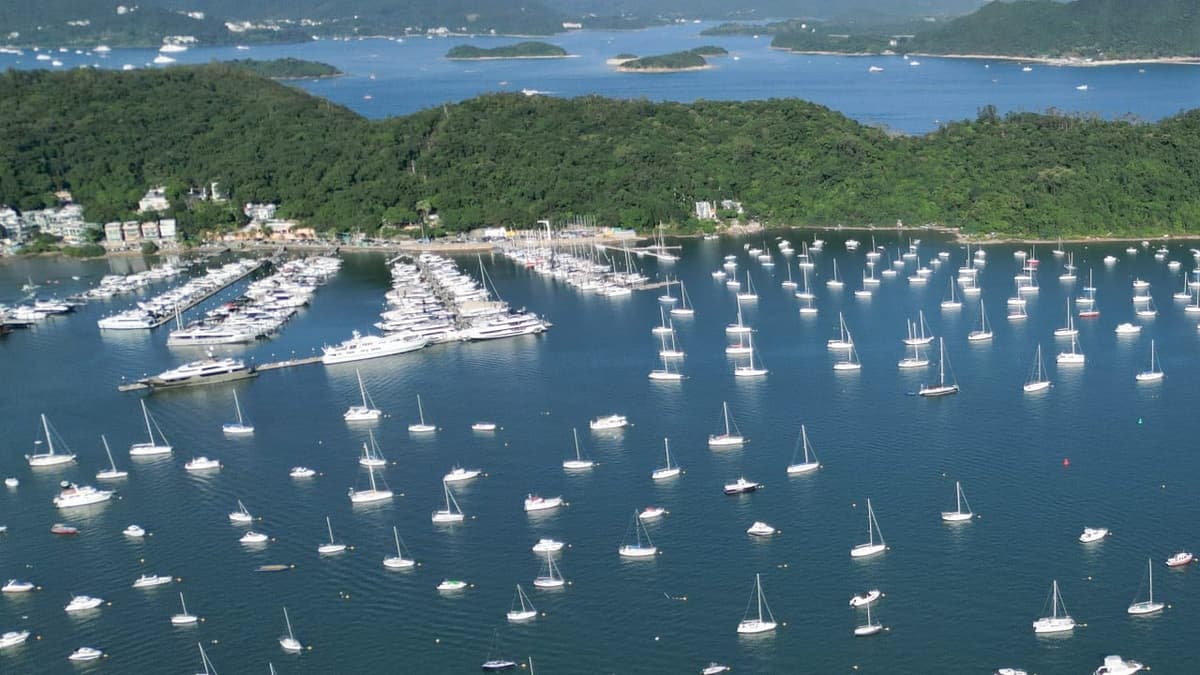
Travel Scheme Could Allow Hong Kong, Macau Yachts to Sail to 6 Greater Bay Area Ports
Why It Matters
The initiative opens a lucrative leisure market and could position Hong Kong as a gateway for wealthy yacht owners, driving demand for local marine services and ancillary professional sectors.
Key Takeaways
- •Six GBA ports opened for Hong Kong and Macau yachts.
- •Residents need mainland travel permit; foreigners excluded initially.
- •180‑day temporary mainland vessel certificate issued for licensed yachts.
- •AIS tracking and club agreements required for safety and pollution control.
- •Scheme could seed future family‑office hub, expanding professional services demand.
Pulse Analysis
The Greater Bay Area’s push for deeper integration now extends to the high‑net‑worth yachting segment. With the global yacht market projected to hit US$45 billion by 2032, Hong Kong’s 12,500 licensed vessels face a berth shortage of over 8,000 slots. By granting access to six mainland ports—Guangzhou Nansha, Shenzhen Shekou, Shenzhen airport ferry, Zhuhai Wanshan, Zhuhai Jiuzhou and Zhongshan—the new scheme aims to relieve local congestion while tapping into mainland leisure demand. The policy’s emphasis on temporary mainland vessel nationality certificates and strict AIS monitoring reflects a broader effort to balance openness with security.
Operationally, the scheme is tightly scoped. Only Hong Kong and Macau residents who hold mainland travel permits may apply, excluding foreign passport holders for now. Approved yachts must secure a 180‑day certificate, adhere to designated water zones, and partner with recognised mainland yacht clubs that enforce safety and pollution‑control standards. Cargo transport and commercial transactions are expressly prohibited, and any falsification of documents triggers a three‑year ban. These safeguards are designed to pilot cross‑border monitoring technologies that could later support a more liberalized regime.
Beyond immediate tourism revenue, the policy signals a strategic bid to attract affluent individuals seeking a family‑office base in Hong Kong. If the pilot proves successful, authorities may relax nationality restrictions, inviting foreign‑owned vessels and expanding the market for legal, financial, marine‑insurance and yacht‑maintenance services. Such an ecosystem could generate sustained high‑value professional work, reinforcing Hong Kong’s reputation as a premier maritime and financial hub in the region.
Travel scheme could allow Hong Kong, Macau yachts to sail to 6 Greater Bay Area ports
Comments
Want to join the conversation?
Loading comments...